Utah Lawmaker Proposes Legislation to Tackle False Emergency Reports
Utah Representative Logan Monson proposes legislation to address false 911 calls, following an incident that delayed emergency services.
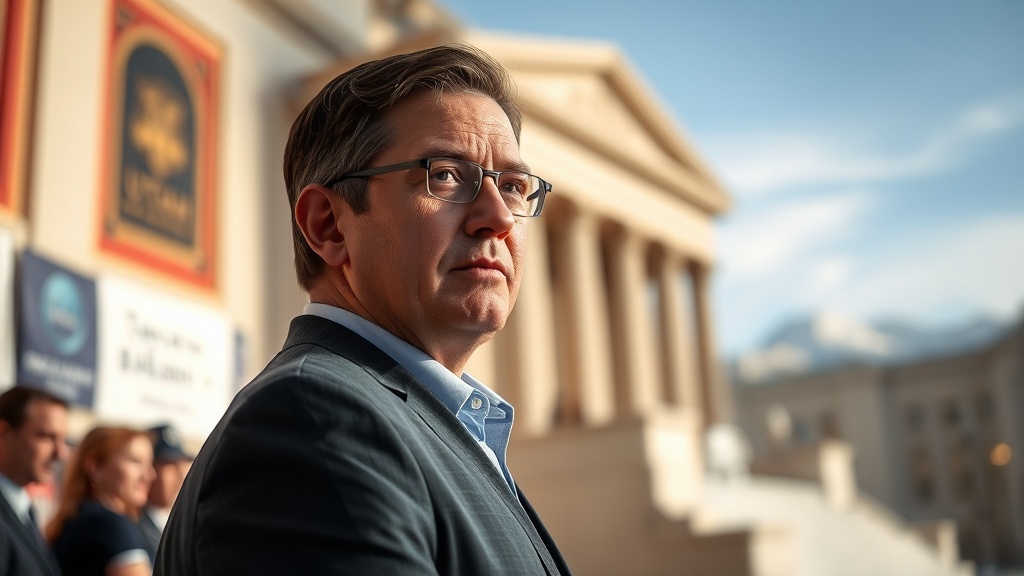
In response to a troubling incident in his district, Representative Logan Monson, a Republican from Blanding, has introduced a new bill aimed at addressing the issue of false emergency reports in Utah. The proposed legislation seeks to establish more stringent penalties for individuals who make unsubstantiated 911 calls, potentially compromising emergency services and putting lives at risk.
The incident that sparked Monson’s concern occurred recently in San Juan County when a man in urgent need of medical assistance was unable to receive timely help due to a series of false emergency calls flooding the 911 system. According to local authorities, the influx of non-essential calls overwhelmed dispatchers, diverting crucial resources away from legitimate emergencies. As a result, the man experienced a delay in receiving the ambulance he desperately required, highlighting the critical consequences of misusing emergency services.
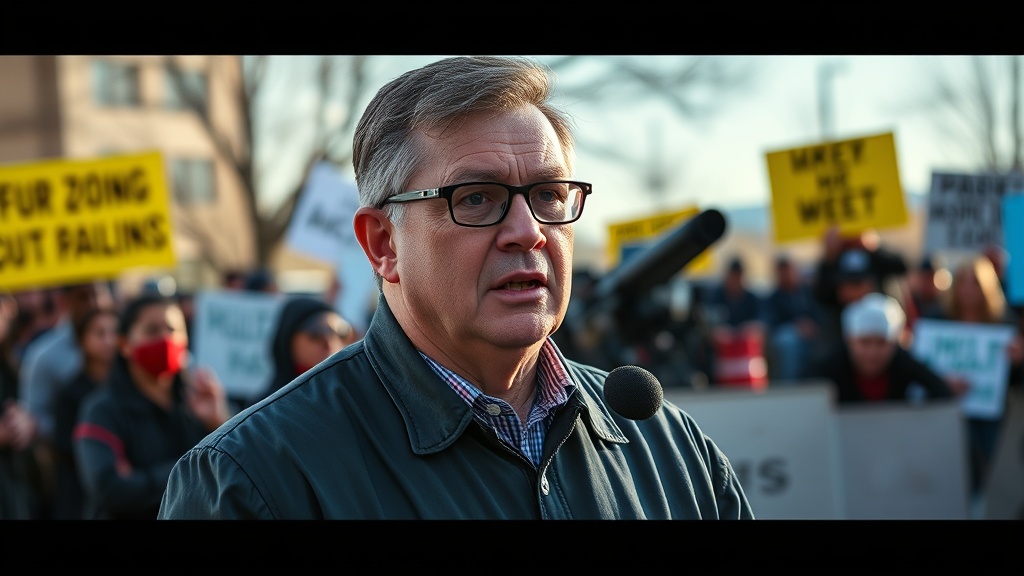
"This incident is a wake-up call for us all," Monson stated during a press conference announcing the proposed bill. "When someone genuinely needs help, every second counts. We cannot afford to have our emergency response systems bogged down by frivolous calls."
The proposed legislation aims to impose stricter penalties on those who make false claims to emergency services. Under the new bill, individuals found guilty of making a false emergency report could face misdemeanor charges, with repeated offenses potentially escalating to felony charges. Monson believes that implementing such measures will deter individuals from misusing the 911 system and ensure that emergency responders can act swiftly when lives are on the line.
In recent years, false emergency calls have become a growing concern across the United States. According to the National Emergency Number Association, approximately 70% of all 911 calls are non-emergent in nature. This trend not only strains emergency services but can also lead to tragic outcomes, as seen in Monson's district. The bill aims to combat this issue by increasing public awareness about the importance of using emergency services responsibly.
The legislation has garnered support from various stakeholders, including local law enforcement agencies and emergency medical services (EMS) providers. Many officials stress that the issue of false reports is not merely a nuisance; it can have dire consequences for communities. Sheriff Jason T. Torgerson of San Juan County emphasized, "When we receive calls that are not genuine, it puts everyone at risk. We have limited resources, and those resources must be allocated to real emergencies."
Additionally, the proposed bill includes provisions for educational campaigns aimed at informing the public about the proper use of 911 services. These campaigns would focus on raising awareness about the potential repercussions of making false reports, as well as educating citizens on what constitutes a true emergency.
Community leaders have expressed their support for Monson’s initiative, recognizing the need for a collective effort to address the misuse of emergency services. Mayor K. D. Williams of Blanding remarked, "It’s crucial for our community to understand that 911 is for emergencies only. We need to work together to ensure that our first responders can focus on those who truly need help."
The introduction of this legislation comes at a pivotal moment for Utah, as the state continues to navigate the challenges posed by the COVID-19 pandemic and increased demand for emergency services. The pandemic has placed additional strain on healthcare systems, making it essential for emergency responders to prioritize genuine calls for help.
As the bill moves through the legislative process, Monson and his supporters are optimistic about its chances of passing. They believe that by holding individuals accountable for false reports, they can help protect the integrity of the emergency response system and ensure that resources are available for those in dire need.
In conclusion, Representative Logan Monson’s proposed legislation to crack down on false emergency reports represents a crucial step toward safeguarding Utah's emergency response services. By imposing stricter penalties and promoting public awareness, the bill aims to prevent future incidents that jeopardize the health and safety of residents. As the debate continues in the state legislature, the focus remains on finding effective solutions to enhance the reliability and efficiency of emergency services in Utah, ensuring that help is always available when it’s genuinely needed.