Sugar House Community Council Halts Plans for Controversial 22-Story Tower
Plans for a 22-story building in Sugar House have been withdrawn, sparking community discussions about future development.
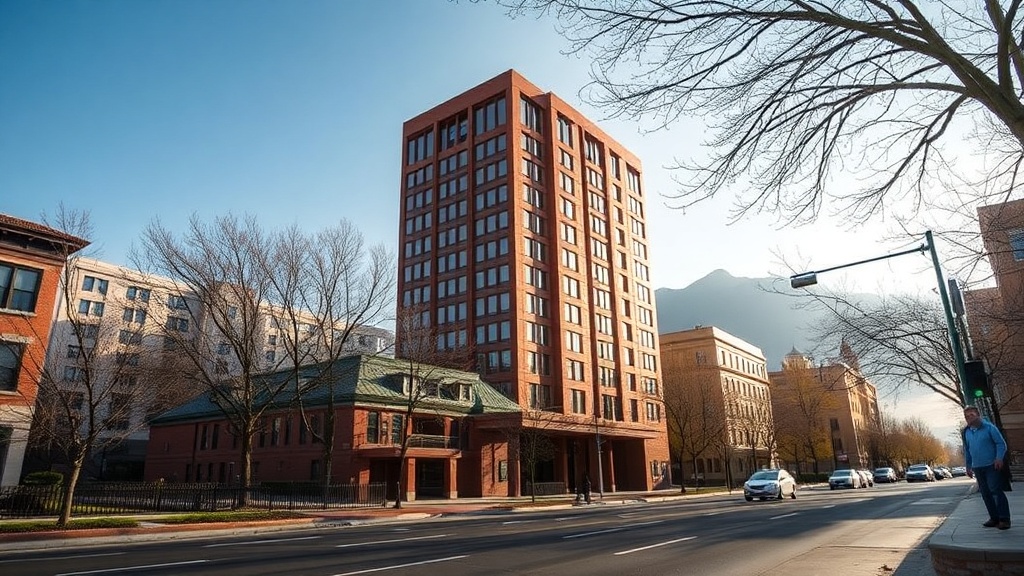
In a significant development for the Sugar House neighborhood of Salt Lake City, plans to construct a 22-story high-rise building on a prominent parcel of land have been officially withdrawn. This announcement, made by the Sugar House Community Council, has stirred a wave of reactions among local residents, city officials, and urban planners. The project was proposed for the site currently occupied by a vacant Wells Fargo branch, located at the bustling intersection of Highland Drive and 2100 South.
The proposal for the towering structure, which aimed to include residential, commercial, and retail spaces, was met with mixed reactions since it was first unveiled earlier this year. Proponents of the development argued that it would enhance the local economy, provide much-needed housing, and revitalize the area. They highlighted Sugar House's strategic location, which is known for its vibrant community and proximity to various amenities, as an ideal setting for such a substantial investment.
However, opposition from community members and local activists grew steadily, citing concerns over the building's height and its potential impact on the neighborhood's character. Critics argued that a 22-story building would be out of scale with the predominantly low-rise architecture of Sugar House and could obstruct views of the nearby Wasatch Mountains, a beloved natural feature of the region. Additionally, many residents expressed fears about increased traffic congestion, strain on local infrastructure, and the loss of the neighborhood's community-oriented atmosphere.
The Sugar House Community Council had been at the forefront of these discussions, hosting several public meetings where residents voiced their opinions. During these sessions, many community members emphasized the importance of maintaining the area's unique charm and character, which they felt could be compromised by a large, multi-story development. Council members listened carefully to constituents' concerns and, after much deliberation, decided to support the withdrawal of the project.
Council Chairperson, Emily Johnson, stated, "We appreciate the developer's efforts to engage with the community, but we believe that this particular project does not align with the vision that residents have for Sugar House. Our goal is to ensure that any development enhances our community rather than detracts from it."
In response to the withdrawal, the developers, who had invested significant resources into the planning and design of the project, expressed disappointment. A spokesperson for the development group mentioned, "We understand the community's concerns and respect the council's decision, but we believe that this project could have brought substantial benefits to the area. We are now exploring other options and may consider revising the proposal to better align with community expectations."
The site of the former Wells Fargo bank has been vacant for several years, raising concerns about blight and the need for development in the area. Local business owners had hoped that the new structure would attract more foot traffic and stimulate economic growth in Sugar House, which has seen a surge in popularity over the past decade. The decision to halt the project has left some wondering what the future holds for this high-profile location.
Looking ahead, the Sugar House Community Council plans to engage the public in discussions about alternative development strategies that could meet community needs while also enhancing the local economy. The council is committed to fostering an inclusive dialogue that prioritizes resident input, ensuring that any future proposals reflect the desires and values of the community.
As Salt Lake City continues to grow, balancing development with community preservation remains a pressing challenge. City planners and local officials are tasked with finding solutions that accommodate growth while maintaining the unique characteristics that define neighborhoods like Sugar House.
While the 22-story high-rise may be off the table for now, the conversation around development in Sugar House is far from over. Community members are encouraged to remain engaged and participate in future discussions to help shape the future of their neighborhood. The council's decision serves as a reminder of the importance of local voices in shaping the urban landscape, illustrating the complexities of growth and community identity in a rapidly changing city.
In conclusion, the withdrawal of the 22-story building plans represents a pivotal moment for Sugar House, as it underscores the need for thoughtful development that respects the community's vision. As the area grapples with the challenges of urbanization, the voices of residents will continue to play a crucial role in guiding future projects and preserving the essence of Sugar House.