Utah Jazz Struggle Again with NBA's Worst Defense for Third Consecutive Year
For the third year in a row, the Utah Jazz rank as the NBA's worst defense, prompting urgent changes needed for improvement.
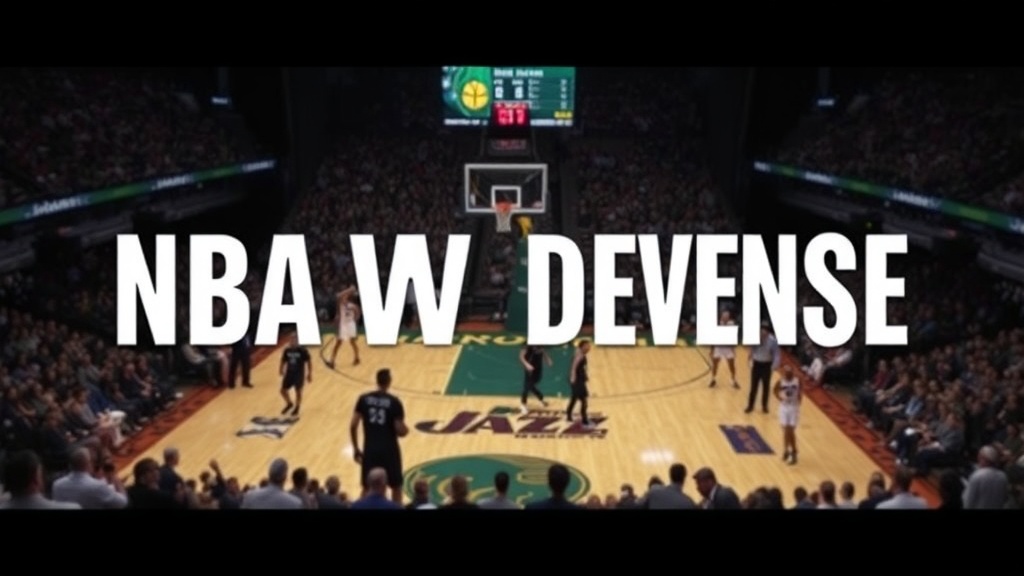
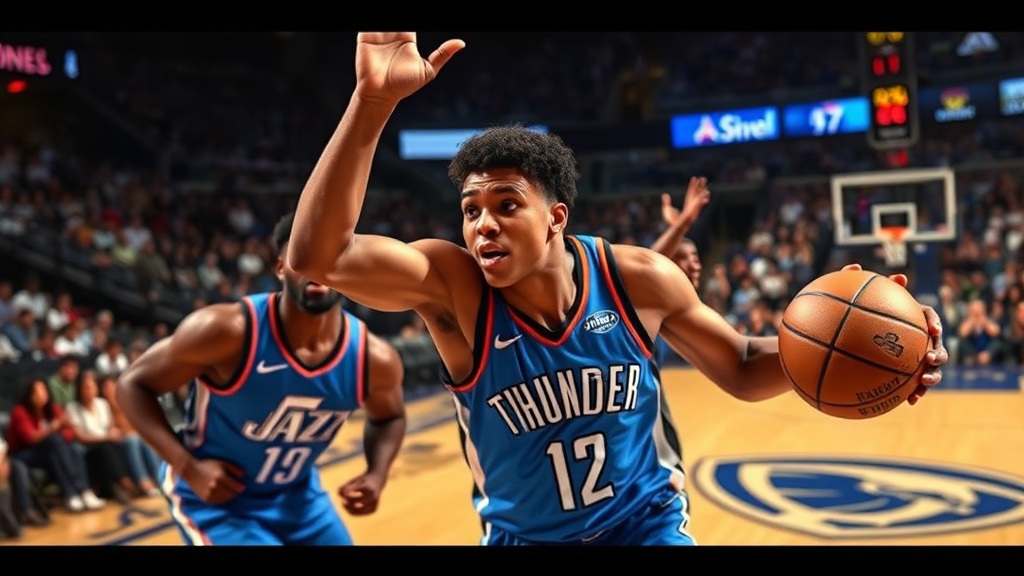
For the third consecutive season, the Utah Jazz find themselves at the bottom of the NBA rankings for defensive performance, raising urgent questions about what changes are necessary to improve the team’s standing. Despite boasting a talented roster, the Jazz have struggled to contain their opponents, allowing an alarming average of 117.5 points per game. This trend has become a point of concern for players, coaches, and fans alike, as it not only affects the team's chances of success in the playoffs but also impacts their overall reputation in the league.
The Jazz's defensive woes have persisted throughout the season, with numerous games showcasing their inability to effectively guard against opposing offenses. In a recent game against the Golden State Warriors, the Jazz allowed 130 points, illustrating the systemic issues present in their defensive strategy. Head Coach Will Hardy acknowledged the shortcomings in post-game interviews, stating, "We need to find a way to be more consistent on the defensive end. It’s a collective effort, and right now, we’re not executing the way we should."
One of the primary factors contributing to the Jazz's defensive struggles is the lack of communication among players on the court. Defensive assignments often appear unclear, leading to open shots for opponents. Veteran guard Mike Conley commented on this issue, saying, "When we’re not on the same page, it shows. We’ve got to talk more, be more vocal. It’s crucial for us to play as a unit, especially on defense."
Another key aspect of their defensive issues is the lack of a dominant rim protector. The Jazz have struggled to guard the paint, often allowing easy drives to the basket. This has been exacerbated by injuries to key players, which have forced the coaching staff to shuffle lineups and disrupt any potential chemistry that could develop. The absence of center Rudy Gobert, traded to the Minnesota Timberwolves last offseason, has left a significant void in the Jazz's defensive structure. Gobert was not only a two-time Defensive Player of the Year but also a crucial figure in anchoring the team’s defensive schemes. His departure has prompted a reevaluation of how the team approaches defense.
Furthermore, the Jazz have been caught in a cycle of poor defensive rotations and limited effort in closing out on shooters. This has allowed opposing teams to exploit the Jazz’s weaknesses, particularly from beyond the arc. The team ranks among the bottom in three-point defense, allowing opponents to shoot at a staggering rate. The coaching staff has been working on adjustments during practice, emphasizing the importance of closing out on shooters and improving overall team defense. Hardy noted, "We’ve put a lot of emphasis on our closeouts and trying to contest shots better. If we don’t improve in these areas, we’re going to continue to see the same results."
To address these defensive deficiencies, the Jazz may need to explore potential trades or free-agent signings as the season progresses. The front office has been actively assessing the roster and evaluating potential targets who could provide the defensive presence needed. One possible avenue is to acquire a versatile forward who can guard multiple positions and provide rim protection. The trade deadline is approaching, and the Jazz must make strategic decisions to bolster their defense if they hope to turn their season around.
In addition to personnel changes, the Jazz must also prioritize player development, particularly among younger players. Rookies and second-year players must be integrated into the defensive philosophy of the team. Developing a defensive mindset early in their careers can lead to longer-term success for the franchise. Developing players like Walker Kessler, who has shown flashes of defensive promise, can be crucial moving forward.
As the season unfolds, the Jazz are faced with a critical juncture. The team’s inability to improve its defensive efficiency could derail any hopes of making a deep playoff run. Fans remain hopeful that changes will be made and that the front office will take the necessary steps to correct the course. The franchise's commitment to building a competitive team hinges on addressing these defensive concerns, ensuring that the Jazz can return to being a formidable force in the NBA.
In conclusion, for the Utah Jazz, the need for defensive improvement is urgent and multifaceted. With communication breakdowns, a lack of rim protection, and poor rotations contributing to their struggles, the team must reassess its strategies and make necessary adjustments. As they navigate the remainder of the season, the Jazz have a critical opportunity to redefine their identity, focusing not just on offensive prowess but also on becoming a well-rounded team capable of competing at the highest level. The upcoming weeks will be pivotal in determining whether the Jazz can break free from their defensive slump and reclaim their place among the league’s elite teams.