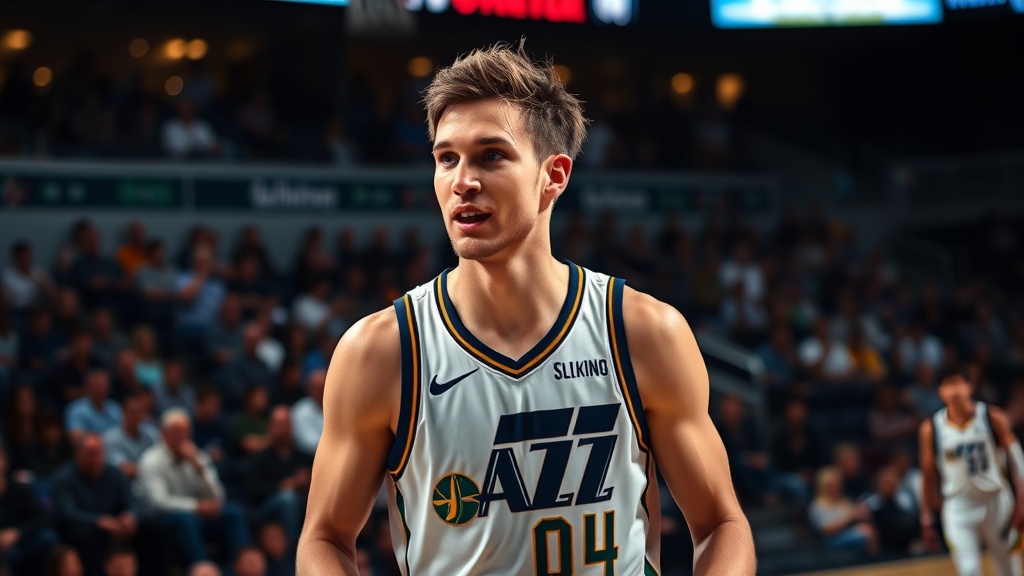
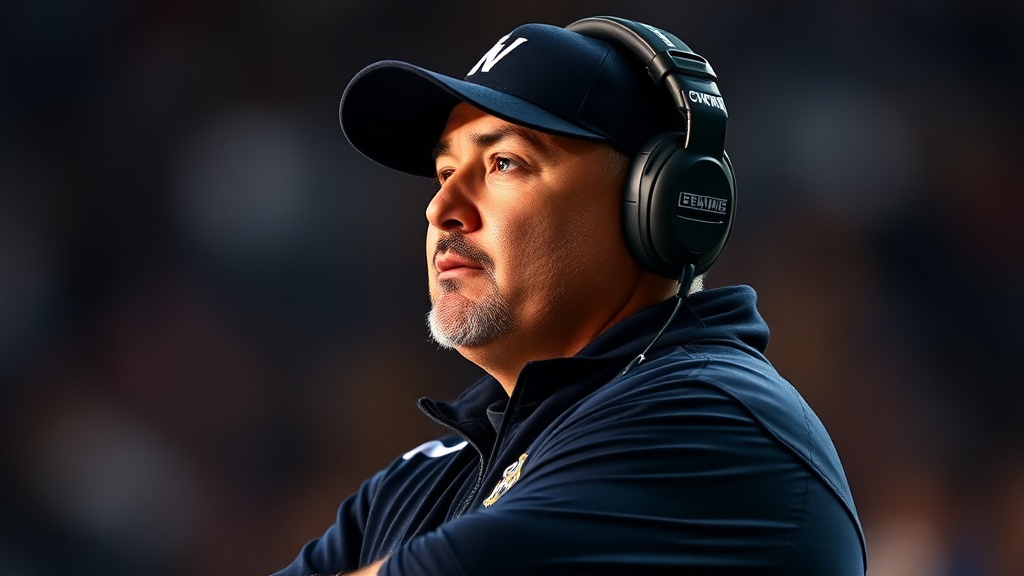
Navigating the Transition: The Impact of Kyle Whittingham's Departure on Utah Football Fans
Kyle Whittingham's departure as Utah's football coach creates varied fan reactions, shaping the future of the program and its culture.
The recent announcement of Kyle Whittingham stepping down as head coach of the University of Utah football team has sent ripples through the community, creating a significant shift in the landscape of college athletics in the state. Whittingham, who has been at the helm since 2005, is revered not only for his tactical acumen but also for his ability to build a culture of resilience and excellence within the program. His departure opens a new chapter for Utah football, inviting a range of reactions from the fan base that reflect the varied emotions surrounding this pivotal moment.
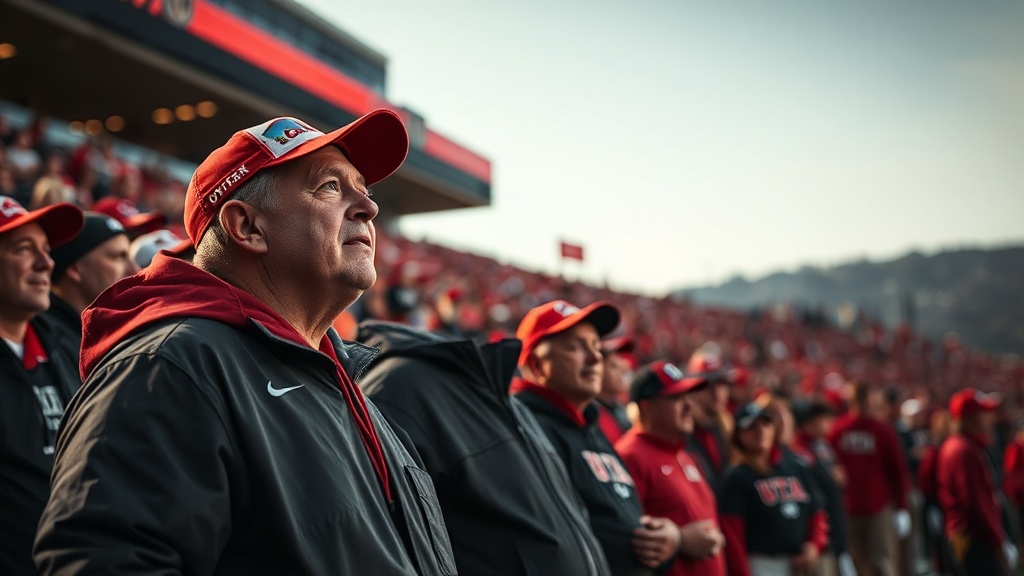
In the wake of Whittingham’s resignation, Utah football enthusiasts can be categorized into three distinct groups, each representing different perspectives on this transition. The first group consists of long-time supporters who are deeply saddened by the end of an era. For many, Whittingham is synonymous with Utah football excellence, having led the Utes to numerous bowl games, a Pac-12 Championship, and a memorable Sugar Bowl victory in 2009. These fans view the change with apprehension, worried about the future direction of the program and whether the new leadership can maintain the high standards set by Whittingham.
The second group comprises loyal fans who are cautiously optimistic about the future. They recognize the challenges of transitioning from a long-standing head coach but also see this as an opportunity for growth and rejuvenation within the program. This faction believes that new leadership might bring fresh ideas and strategies that could elevate the team to new heights. With the right choice for a successor, they argue, the Utes could continue to compete at a high level in the highly competitive Pac-12 conference.
Lastly, there exists a segment of fans who are indifferent to the coaching change, viewing it as a natural evolution in sports. This group may not have a strong attachment to Whittingham personally, focusing instead on the broader picture of college football and the cyclical nature of athletic programs. For them, the key is the performance of the team on the field, irrespective of who is coaching it. They are ready to support the new coach, whatever changes may come, and are eager to see how the recruiting landscape will shift moving forward.
As this transition unfolds, the University of Utah is facing critical decisions regarding the future of the football program. Athletic Director Mark Harlan has stated that the search for Whittingham's successor will be thorough, aiming to find a candidate who can uphold the integrity and competitive spirit that has been synonymous with Utah football. Harlan emphasized the importance of maintaining the program's core values while also being open to innovative coaching philosophies that could invigorate the squad.
Recruiting is another area where the impact of Whittingham’s departure will be keenly felt. Under his leadership, Utah became a popular destination for talented high school athletes, particularly in the western United States. The new coach will need to quickly establish rapport with recruits and their families, assuring them of the program's stability and vision for the future. The coming weeks will be crucial as potential recruits assess the situation, weighing their options amid the uncertainty.
Fan engagement will also play a significant role during this transition period. The university is expected to ramp up communication with its supporters, providing updates on the coaching search and outlining the vision for the future of the football program. This transparency will be vital in keeping fans involved and excited about what lies ahead, thus helping to unify the various groups of supporters.
In conclusion, Kyle Whittingham’s departure marks a significant turning point for Utah football, one that has elicited a spectrum of reactions from its fan base. As the university embarks on the search for a new head coach, it will need to navigate the delicate balance of honoring Whittingham’s legacy while forging a new path forward. The future of Utah football hangs in the balance, and how the university manages this transition will likely have lasting implications for the program and its devoted fans. As the community reflects on Whittingham’s contributions, they must also look ahead, embracing the possibilities that change can bring to their beloved Utes.