Utah Jazz Acquire Lonzo Ball in Trade, Plans to Waive Him Soon
The Utah Jazz trade for Lonzo Ball but plan to waive him soon, raising questions about team strategy and future directions.
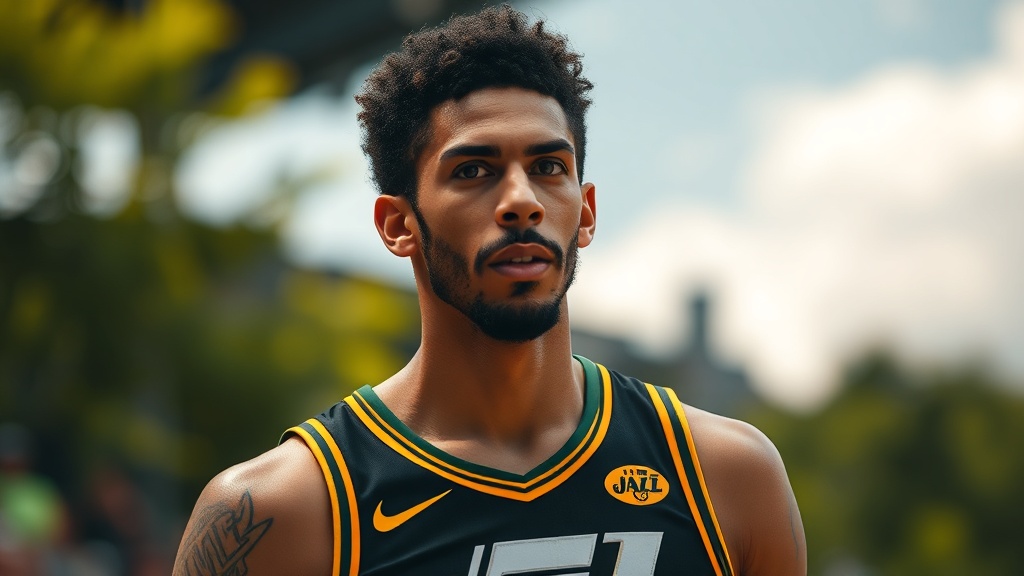
In a surprising turn of events, the Utah Jazz have acquired star point guard Lonzo Ball from the Chicago Bulls in a trade finalized earlier this week. However, sources close to the organization indicate that the Jazz intend to waive Ball shortly after the transaction, a move that has sparked conversations among fans and analysts alike about the implications of such a decision. This trade marks a familiar narrative for Jazz supporters, who recall previous instances where the team has maneuvered its roster for contractual flexibility rather than long-term commitment to a player.
The trade, which was part of a larger deal involving multiple teams, sees the Jazz sending a second-round pick and some cash considerations to Chicago in exchange for Ball. The former No. 2 overall pick is currently recovering from a significant knee injury that has sidelined him for the majority of the past two seasons. This injury history raises questions about the strategic reasoning behind the Jazz's decision to acquire a player who may not be able to contribute on the court in the immediate future.
Jazz management has described the trade as a method of acquiring assets and creating flexibility within their salary cap. "This move allows us to explore various avenues for building our roster while also maintaining financial flexibility moving forward," said Jazz General Manager Justin Zanik in an official statement. "Lonzo is a talented player, and while his current situation prohibits him from playing, we are always looking to enhance our options for the future."
Fans of the Jazz have expressed mixed emotions regarding the acquisition of Ball. Many are excited about the prospect of having a high-profile player on the roster, despite the likelihood of him not being around for long. Others are skeptical about the team's strategy, questioning the wisdom of adding a player with a troubled injury history. “It feels like we’re just making moves for the sake of making moves,” said lifelong Jazz fan, David Larson. “We’ve seen this before. It’s frustrating.”
The Jazz's recent history includes several trades involving star point guards that ultimately led to the players being waived or traded away shortly after. Most notably, the team previously acquired Mike Conley from the Memphis Grizzlies in 2019, which was seen as a move to bolster their playoff aspirations. However, after several seasons and a series of injuries, the Jazz ultimately moved on from Conley. This has led to a sense of skepticism among fans regarding the organization's current direction.
In terms of Ball’s career, the point guard has had his highs and lows since entering the league. After being drafted by the Los Angeles Lakers in 2017, Ball quickly became known for his flashy passing and unique playing style. However, injuries have plagued his career, and he has yet to play a full season since joining the Bulls in 2021. His last appearance in an NBA game was in January 2022, and the Bulls have since been cautious about his recovery.
The Jazz's decision to trade for Ball may also reflect a larger trend in the NBA, where teams are increasingly willing to take risks on high-reward players, even if their health is uncertain. This strategy can lead to significant payoffs when players return to form, but it can also result in wasted assets and cap space. As the Jazz navigate this risky landscape, the front office will need to balance the potential benefits of acquiring a player like Ball with the realities of his current health status.
Looking ahead, it remains to be seen how this trade will impact the Jazz's future roster decisions. If the team follows through with their reported plans to release Ball, they may have the opportunity to explore other avenues, whether through free agency or trades, to bolster their lineup ahead of the upcoming season. The Jazz are currently in a rebuilding phase, and every decision they make will be critical in shaping the future of the franchise.
In conclusion, the Utah Jazz's acquisition of Lonzo Ball serves as a reminder of the ongoing complexities of roster management in the NBA. While the move may not lead to immediate results on the court, it underscores the organization's commitment to exploring all available options in their quest for success. As the Jazz look to the future, fans will be watching closely to see how this trade, and the subsequent decision to waive Ball, plays out in the larger context of the team's rebuilding efforts.