Utah Housing Market: Predicted Trends for 2026 and Beyond
Utah's housing market is set for high demand in 2026, driven by economic growth and population influx.
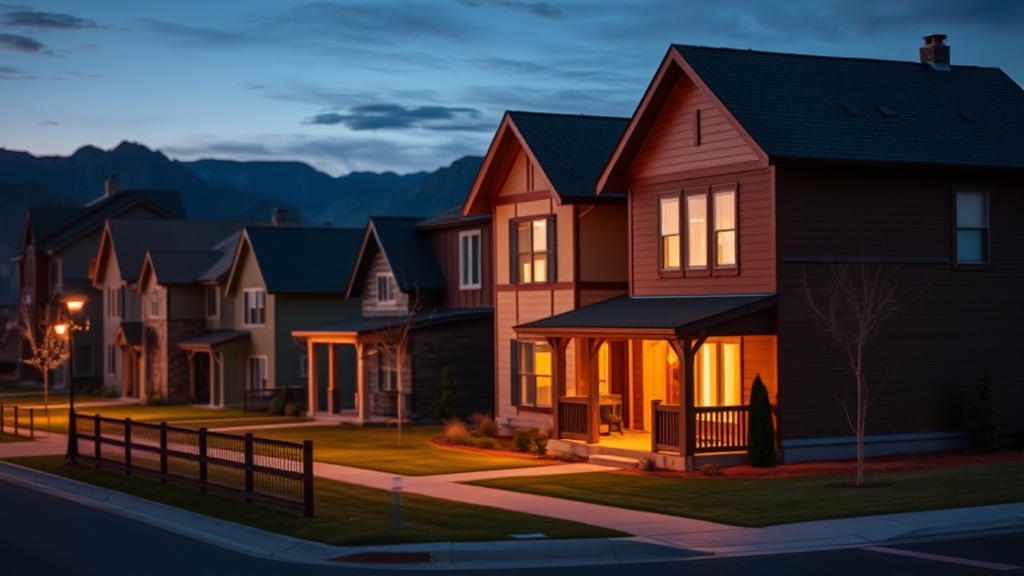
As Utah's housing market continues to evolve, experts are forecasting a robust demand for real estate in the coming years. According to a recent report by the National Association of Realtors (NAR), Utah has been identified as one of the top states for new buyer opportunities, with its cities anticipated to remain hotspots for homebuyers in 2026. This article delves into the factors influencing this trend, the challenges that potential buyers may face, and the overall implications for the state's real estate market.
The NAR report highlights that Utah's strong economic growth, low unemployment rates, and an influx of new residents are contributing to the sustained demand for housing. In recent years, the state has seen a significant increase in population, driven largely by job opportunities in tech, healthcare, and other industries. According to the U.S. Census Bureau, Utah's population grew by 1.6% from 2021 to 2022, a trend that is expected to continue as more individuals and families seek to relocate to the Beehive State.
Moreover, Utah's picturesque landscapes and outdoor recreational opportunities further enhance its appeal. Salt Lake City, Provo, and Ogden have become increasingly attractive for both first-time homebuyers and investors looking for rental properties. The NAR's ranking places cities like Salt Lake City among the top metropolitan areas for housing potential, reflecting the blend of economic opportunity and quality of life that Utah offers.
However, despite the optimistic outlook, potential buyers may encounter significant challenges in navigating the housing market. The ongoing supply shortage, a consequence of years of underbuilding, has led to increased competition for available homes. According to the Utah Association of Realtors, the inventory of homes for sale remains critically low, with many listings receiving multiple offers and selling above asking price. This trend has made it particularly difficult for first-time buyers, who often struggle to compete with cash offers from investors and higher-income buyers.
The median home price in Utah has surged over the past few years, with reports indicating a nearly 20% increase in prices since 2020. As of early 2023, the median home price in Salt Lake County reached approximately $550,000. This rise in prices, coupled with rising interest rates, poses a challenge for many buyers looking to enter the market. Economic experts warn that the affordability crisis could result in a shift in buyer demographics, with younger buyers potentially being priced out of the market.
In response to these challenges, local governments and organizations are exploring initiatives to increase housing availability and affordability. Efforts such as zoning reforms, increased funding for affordable housing projects, and incentives for developers to build more homes are being discussed. For instance, the Salt Lake City Council recently approved a plan to streamline the permitting process for new housing developments, aiming to encourage the construction of more units in the area.
Furthermore, the state is actively working to diversify its housing stock by promoting mixed-use developments and affordable housing options. These initiatives are crucial in addressing the needs of a diverse population that includes not only families but also young professionals and retirees seeking to downsize.
Looking ahead, it is essential for potential buyers and investors to stay informed about market trends and shifts. Experts suggest that those considering purchasing a home in Utah should be prepared for a competitive environment and may need to act quickly to secure a property. Additionally, understanding the intricacies of mortgage options and financial planning will be crucial for navigating the complex landscape of the Utah housing market.
In conclusion, while Utah's housing market is expected to remain vibrant and full of opportunities in 2026, it also presents challenges that buyers must navigate carefully. With a combination of economic growth, population influx, and a strong demand for housing, Utah continues to attract attention from both local and national investors. As initiatives to address housing affordability and supply gain momentum, the coming years will be pivotal in shaping the future of Utah's real estate landscape.