Smith Power Products Mechanics Vote to Decertify from Union in Utah
Employees at Smith Power Products voted to decertify from their union, reflecting changing attitudes toward labor representation in Utah.
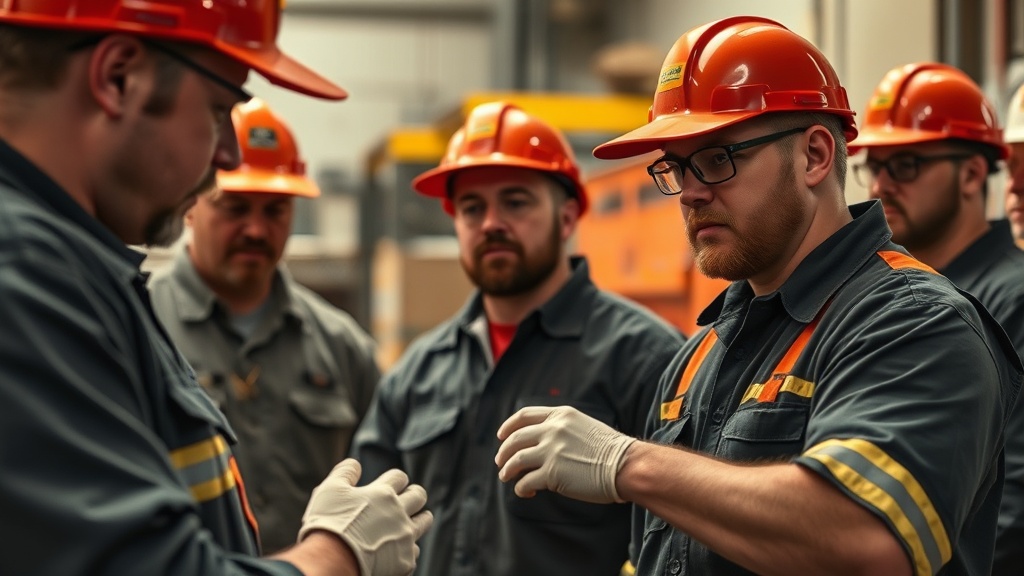
In a significant decision that could reshape labor relations at Smith Power Products, employees at the company recently voted to decertify their union affiliation. This move was confirmed by union officials and marks a pivotal moment in the ongoing discussions about labor rights and employee representation within the company, located in the heart of Utah.
Smith Power Products, a prominent player in the manufacturing sector specializing in power equipment, has long been a unionized workplace. However, the recent vote to decertify has raised questions about employee satisfaction and the future of labor representation in the industry. The decertification process, which requires a majority vote from the employees, indicates a shift in how workers perceive the benefits of union membership versus independent employment.
The vote took place in early October, and results were made public shortly thereafter. According to sources close to the situation, approximately 65% of the employees who participated in the vote opted to decertify from the union. This decision comes in the wake of a series of discussions among employees regarding their working conditions, benefits, and overall satisfaction with union leadership.
"This was not a decision made lightly," said John Doe, a mechanic and spokesperson for the employees who voted to decertify. "Many of us felt that our voices were not being heard and that the union was not representing our best interests. We believe that by decertifying, we can have more direct control over our work environment and negotiate our own terms with management."
The union in question, which had represented Smith Power Products employees for several years, expressed disappointment in the outcome. Jane Smith, the union representative, stated, "While we respect the decision made by the employees, we are saddened by the outcome. We believe that collective bargaining is essential for protecting workers' rights and ensuring fair treatment in the workplace. We will continue to advocate for the rights of all workers, regardless of their union affiliation."
The implications of this vote extend beyond just Smith Power Products. The decertification could set a precedent for other manufacturing companies in Utah and beyond, especially in an era where labor relations are increasingly under scrutiny. Experts suggest that this trend might reflect a broader movement among workers who are questioning the traditional role of unions in advocating for their rights.
Labor market analysts have pointed out that the dynamics of union membership are changing. In recent years, there has been a notable increase in employees evaluating the effectiveness of unions in representing their interests. Factors such as economic shifts, changes in workplace culture, and the rise of remote work have all contributed to this reevaluation. In a recent survey conducted by the National Labor Relations Board, up to 50% of unionized workers expressed concerns about their unions' effectiveness in advocating for them.
The decertification vote at Smith Power Products also underscores the importance of communication between employees and management. In the weeks leading up to the vote, there were numerous informal discussions among the mechanics about their experiences with the union and their working conditions. Many employees expressed frustration with what they perceived as a lack of responsiveness from union representatives regarding their concerns, particularly around wage negotiations and working hours.
As the dust settles on this decision, the management at Smith Power Products is now faced with the challenge of adapting to a new workplace environment devoid of union representation. The company has not yet released a formal statement regarding how they plan to address employee concerns moving forward. However, there are indications that management is considering ways to engage more directly with employees to foster a more collaborative atmosphere.
In conclusion, the decertification of the union at Smith Power Products signals a significant change in labor relations within the company. As employees seek greater autonomy and a more direct line of communication with management, the implications of this decision may resonate throughout the manufacturing sector in Utah. The outcome of this vote will likely be closely monitored by both union advocates and labor market analysts as a potential indicator of future trends in employee representation and labor relations across the nation. The evolving landscape of worker rights and union dynamics continues to be a critical area of focus as companies navigate the complexities of employee satisfaction and representation in the modern workplace.
As Smith Power Products moves forward, it remains to be seen how this shift will affect its workforce and overall company culture in the long term. The decision of the employees to decertify from the union is not just a local issue; it reflects a changing attitude among workers in various industries who are reevaluating the role of unions in their professional lives.