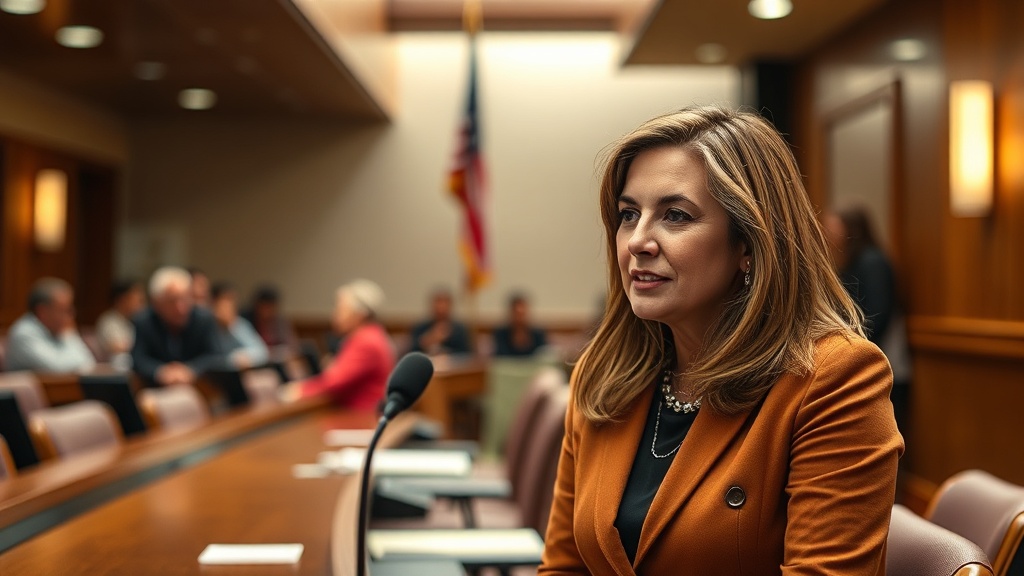
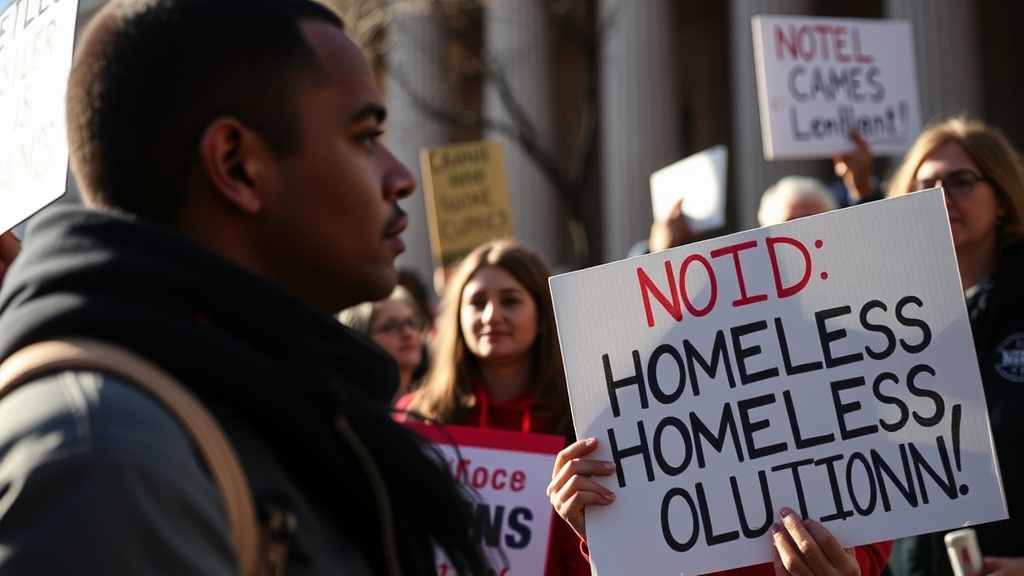
Utah Homeless Advocates Demand Housing Solutions Over Distant Shelters
Utah homeless advocates urge lawmakers to prioritize housing solutions over distant shelters, emphasizing community inclusion and support.
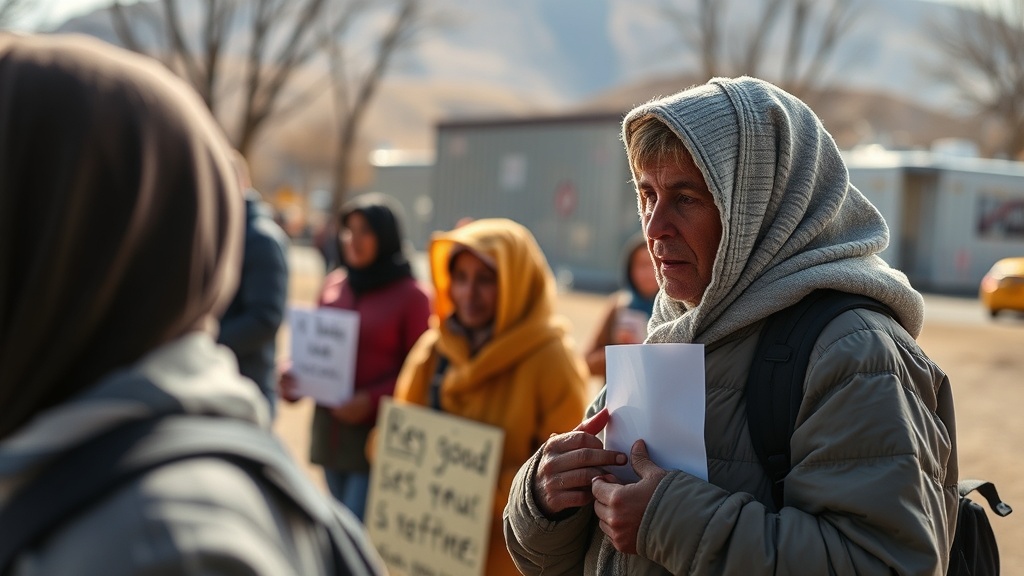
As the Utah state legislature gears up for its upcoming session, advocates for the homeless community gathered at the Utah State Capitol on Thursday to amplify their concerns regarding proposed housing legislation. The advocates, comprising individuals who have experienced homelessness and their supporters, are urging lawmakers to prioritize sustainable housing solutions rather than relying on large, remote shelters that fail to meet the immediate needs of the homeless population.
Among those voicing their concerns was Travis Ressler, a musician who resides in Liberty Park, a space that has become a gathering point for many artists and homeless individuals. Ressler emphasized the precariousness of housing stability, saying, "A lot of people don't know how close they are to homelessness. I mean, it's one day you're in an apartment with all your furnishings, the next day you're sitting in your car like, goodness, what am I going to do now?" This poignant observation highlights the vulnerability that many individuals face in an increasingly expensive housing market.
Liberty Park, according to Ressler, serves as home to a vibrant community of artists who are eager to showcase their talents. "All I know here is artists. Like, I'm an artist. I've been making music forever," he shared. Ressler pointed out that there are gifted individuals within the park, including a female artist he likened to Van Gogh, who may never gain recognition unless provided with opportunities to shine.
The advocates gathered at the Capitol are critical of the current proposals being discussed, which suggest establishing large-scale shelters in remote areas, far removed from the urban centers where many homeless individuals congregate. Ksenia Kniazeva, the executive director and founder of Nomad Alliance, voiced her concerns regarding the proposed solutions. "They're expecting to spend hundreds of millions of dollars building this huge behemoth shelter out in the boonies. They don't understand this population," she remarked, stressing the need for more targeted and effective solutions.
Kniazeva, who has faced homelessness firsthand, proposed that empty parking lots could serve as temporary shelters while more sustainable housing solutions are developed. This approach, she argued, could provide immediate relief for individuals without the need for costly and impractical infrastructure projects that do not address the root issues.
Ressler further emphasized the desire of homeless individuals to contribute positively to their communities. "Let us be neighbors. Let us work for it," he stated, underscoring the importance of dignity and inclusion for those facing homelessness. He pointed out the stark contrast between empty government buildings and the individuals sleeping outside, asserting that the unused spaces could be transformed into supportive housing options. "Half those rooms are empty. And we're sitting out here. Those rooms could be really useful, just getting us off the street," Ressler noted.
The advocates are calling for a shift in the narrative surrounding homelessness, asking for more understanding and empathy from lawmakers. They argue that effective legislation must be grounded in the lived experiences of those who are homeless, rather than implementing policies that simply displace the issue. "We don't just go away because somebody throws a gavel. It's got to be real legislation and real fixes," Ressler stated, emphasizing the need for practical solutions that address the systemic factors contributing to homelessness.
The upcoming legislative session presents an opportunity for Utah lawmakers to rethink their approach to homelessness. With rising housing costs and an increasing number of individuals experiencing homelessness, the advocates’ call for community-centered solutions echoes the urgent need for policies that foster inclusion and support.
As the advocates continue to press for change, they remain hopeful that their voices will resonate with lawmakers, prompting a reevaluation of priorities in addressing the homelessness crisis in Utah. The need for meaningful, compassionate solutions is more pressing than ever, as many individuals like Ressler and Kniazeva strive for stability, dignity, and a chance to be recognized as contributing members of their communities.