Utah Celebrates Tourism Day: A Vital Economic Force for the State
Utah's Tourism Day highlights the industry's vital role in the state's economy, generating billions in revenue and supporting jobs.
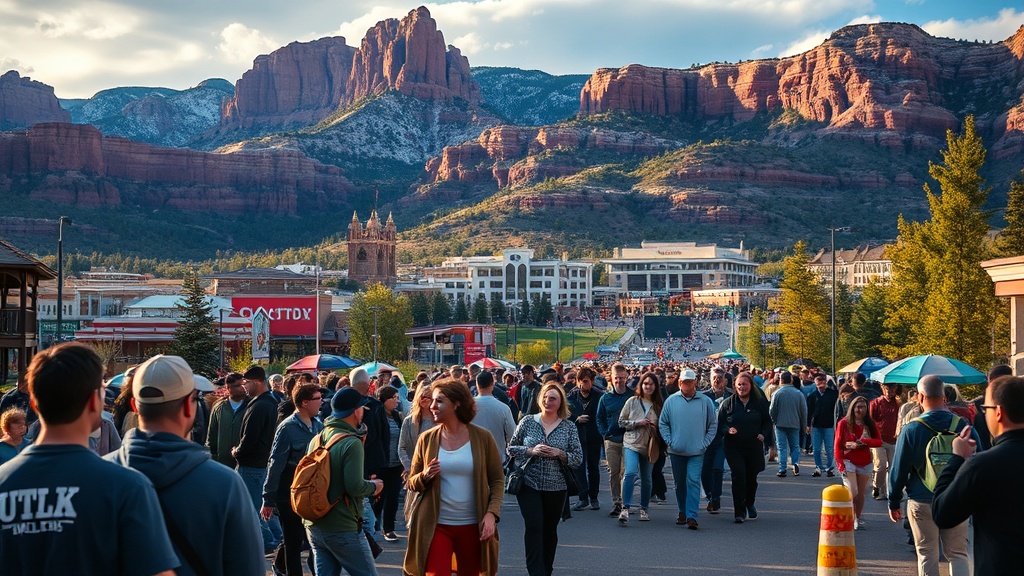
On Tuesday, local tourism leaders gathered at Utah's Capitol Hill to celebrate the annual Tourism Day, highlighting the significant role that the visitor economy plays in driving the state's economic strength. As the industry continues to rebound post-pandemic, the latest statistics reveal that tourism supports approximately one in every eleven jobs in Utah, underscoring its importance to both local communities and the overall state economy.
According to recent data from the Utah Office of Tourism, the state's tourism industry generated an impressive $13.3 billion in direct visitor spending in 2024, contributing $2.5 billion in tax revenue for state and local governments. These figures not only reflect the vibrancy of Utah's tourism sector but also the extensive impact on local infrastructures and public services.
In communities across Utah, like Logan, the benefits of tourism are palpable. Julie Hollis Terrill, director of the Cache Valley Visitors Bureau, noted the direct correlation between tourism and local development. "We see the impacts of tourism in our community in a positive way every day. That's not necessarily from seeing people in our community but it comes from the tax dollars that they generate. We have a brand-new event center down at the fairgrounds. That entire thing is being paid for by taxes that are being paid only by tourists," she explained. This new event center, funded entirely through tourism-generated tax revenue, exemplifies how visitor spending can lead to tangible community improvements.
However, the tourism sector is not without its challenges. Natalie Randall, managing director for the Utah Office of Tourism and Film, spoke candidly about the difficulties faced by the industry in recent years. "The industry has gone through a lot last year, leading into this year. We faced so many headwinds. What we look for though is the opportunities that exist. We made it through Covid, we were resilient and we were successful. We were one of the first states to truly recover," Randall noted. The ongoing issues, such as unpredictable weather patterns impacting snow-dependent activities and changes in visitor access to national parks, require a multifaceted approach to ensure the industry's resilience and sustainability.
Tourism's impact is felt in every corner of the state, attracting visitors from across the globe who come to experience Utah's stunning landscapes and rich cultural heritage. Louis Williams from Ancient Wayves River and Hiking Adventures emphasized the draw of southeast Utah, stating, "People come from all over the world, so when they come from all over the world, they want to learn about the landscapes." His business thrives on the influx of tourists eager to engage with the area's indigenous history and natural beauty. "We've got a lot of indigenous history, so when we're out there, guests want to come back to southeast Utah maybe because they've seen it in a movie. When they come out here, they get to see it in person, smell all the beautiful plants, and hear the beautiful language," Williams added, illustrating the unique cultural experiences that enhance Utah's appeal as a travel destination.
Leaders in the tourism sector, including those attending Tourism Day, emphasized the importance of legislative support in continuing to bolster local jobs and businesses across Utah. As the state navigates the post-pandemic landscape, the collaboration between tourism advocates and lawmakers will be crucial in maintaining and growing the economic benefits derived from tourism. The ongoing efforts to diversify the tourism experience—catering to adventure seekers, history buffs, and those looking for cultural enrichment—will play a significant role in attracting a diverse array of visitors.
In conclusion, Tourism Day at Utah's Capitol Hill served as a testament to the resilience and vitality of the state's tourism industry. As communities like Logan leverage the economic benefits of tourism, and as businesses adapt to the evolving landscape, the continued partnership between the private sector and government will be essential in nurturing this critical economic driver. With a focus on sustainable practices and innovative approaches, Utah's tourism industry is poised not only to recover but to thrive in the years ahead, further solidifying its status as a cornerstone of the state's economy.