Utah Avalanche Experts Warn: Low Snowfall Still Carries Risk
Utah experts warn that lower snowfall does not eliminate avalanche risks. Stay informed!
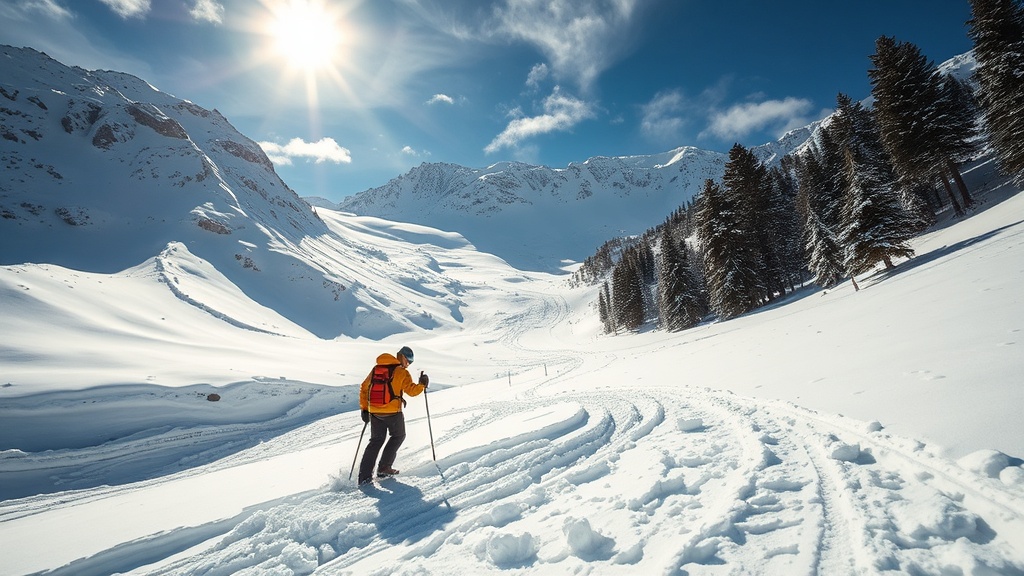
Avalanche experts in Utah are cautioning that the current lower-than-average snow totals for the season can be deceptive. Despite the diminished snow accumulation, the risk of avalanches remains present and should not be underestimated.
This season, many areas in Utah have reported significantly less snowfall compared to previous years. However, experts emphasize that snowfall totals alone do not determine avalanche risk. Factors such as the stability of the existing snowpack, weather conditions, and recent activity can greatly influence the likelihood of avalanches.
For instance, warmer temperatures can lead to melting and refreezing, which creates a crust on the snowpack that can be unstable. Additionally, if a significant weather event occurs, such as a heavy snowfall or rain, it can add weight to the existing snowpack and trigger avalanches.
Avalanche forecasting teams are actively monitoring conditions and providing updates to the public. They advise outdoor enthusiasts to stay informed about current avalanche forecasts and heed warnings. Education on recognizing signs of unstable snow conditions is crucial for anyone venturing into backcountry areas.
Experts recommend that those planning to ski or snowboard in backcountry areas should carry avalanche safety equipment, including beacons, shovels, and probes. They also stress the importance of traveling in groups and having a solid understanding of avalanche safety protocols.
Utah's mountainous terrain presents inherent risks, and even experienced backcountry users should remain vigilant. The potential for avalanches exists regardless of the amount of snowfall, making it essential for individuals to stay aware and prepared. As the season progresses, continuous monitoring and education will play key roles in ensuring safety in the backcountry.