Utah Athletics' Private Equity Initiative Draws Attention from Lawmakers
The University of Utah's private equity plan for athletics has raised eyebrows among lawmakers, highlighting concerns about accountability and funding.
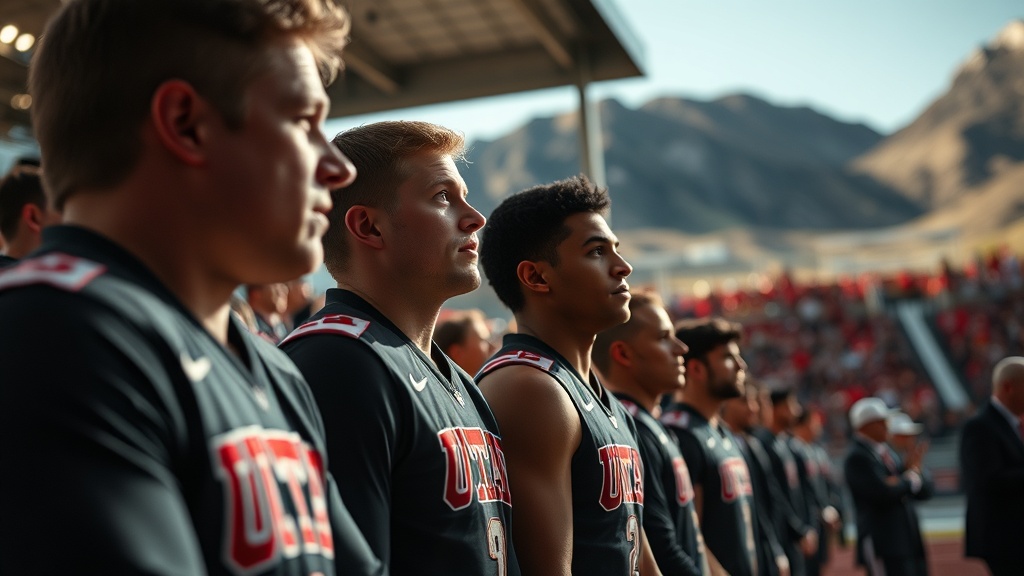
In a move that has caught the attention of both state and federal lawmakers, the University of Utah is set to enhance its athletics program through a proposed private equity investment strategy. This initiative aims to generate additional revenue streams for the university's sports programs, which have been facing increased financial pressures amidst a rapidly evolving landscape in collegiate athletics. The official announcement of this plan has raised eyebrows and sparked discussions regarding the implications of such financial maneuvers within higher education.
The university's athletics director, Mark Harlan, articulated the necessity of this approach in a press conference held last week. "In today’s competitive environment, we must explore innovative financial strategies to ensure the sustainability and growth of our athletics programs," Harlan stated. He emphasized the potential benefits that private equity can bring, including increased funding for facilities, scholarships, and enhanced recruitment efforts.
Private equity, traditionally associated with investments in private companies, is becoming increasingly prevalent in college sports as institutions seek to diversify their funding sources. This trend has been amplified by the recent shifts in NCAA policies, allowing student-athletes to profit from their name, image, and likeness (NIL). As a result, universities are under more pressure than ever to invest in their athletic programs to attract top talent and maintain competitive standings.
However, the University of Utah's plan has elicited mixed reactions among lawmakers. Some state legislators expressed concerns over the potential implications of utilizing private equity in public universities. Representative Susan Duckworth, a member of the Utah House Education Committee, voiced her apprehensions during a recent committee meeting, stating, "While I understand the need for additional funding, we must carefully consider the long-term implications of bringing private equity into our public institutions. It raises questions about accountability and the prioritization of profit over student welfare."
On the federal level, the situation is similarly contentious. Senator Mike Lee has been vocal about the need for transparency in financial dealings involving educational institutions. In a statement issued shortly after the university's announcement, he remarked, "We must ensure that our universities remain focused on their educational mission and that financial strategies do not overshadow the core values of higher education. This private equity plan must be scrutinized to ensure it aligns with those values."
The financial landscape for college athletics has shifted significantly over the past decade, with many programs struggling to keep pace with rising operational costs, an increase in coaching salaries, and the need for state-of-the-art facilities. The University of Utah is not alone in seeking new funding methods; several other universities across the nation have also explored similar strategies in a bid to secure their athletic futures amidst these challenges.
In Utah, the athletics department has posted a deficit in recent years despite the popularity of its sports programs. The financial strain has been exacerbated by the COVID-19 pandemic, which led to reduced attendance at games and diminished revenue from ticket sales and sponsorships. The introduction of private equity investments is seen as a viable solution to bridge this funding gap and ensure that the university can continue to compete at a high level.
Critics of the private equity approach argue that it may lead to a focus on profit-driven motives that could detract from the educational mission of the university. They raise concerns that the influx of capital from private investors could lead to increased commercialization of college sports, potentially undermining the integrity of amateur athletics.
Supporters, however, maintain that private equity can provide the necessary capital to innovate and improve athletic facilities, enhance student-athlete experiences, and ultimately foster a more competitive environment. They argue that in order to attract top-tier talent and maintain successful programs, universities must be willing to explore a variety of funding avenues.
As discussions continue among lawmakers, university officials, and stakeholders, the University of Utah remains committed to moving forward with its private equity strategy. The athletics department plans to provide regular updates on the progress of this initiative to ensure transparency and maintain trust within the community.
In conclusion, the University of Utah's foray into private equity investments represents a significant shift in how collegiate athletics can be funded. As the landscape of college sports evolves, the implications of such financial strategies will be closely monitored by lawmakers, educational institutions, and the public alike. Ensuring that the interests of student-athletes and the integrity of education remain at the forefront will be crucial as this new chapter in athletics funding begins to unfold.