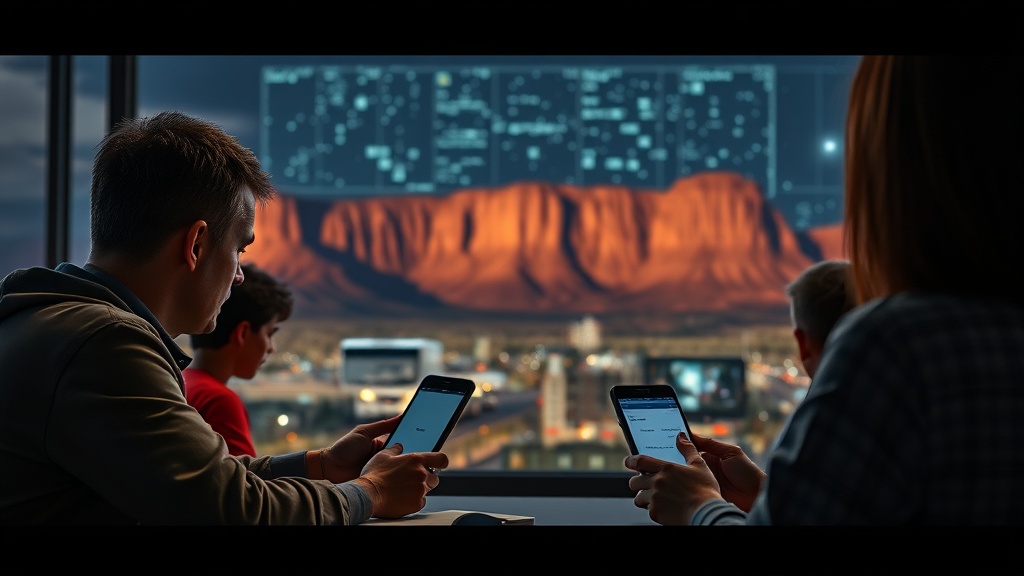
University of Utah Uncovers Historic Computer Relic: A Major Find
A rare computer relic found at the University of Utah has been confirmed as a significant historical discovery by experts, highlighting the importance of preserving technological artifacts.
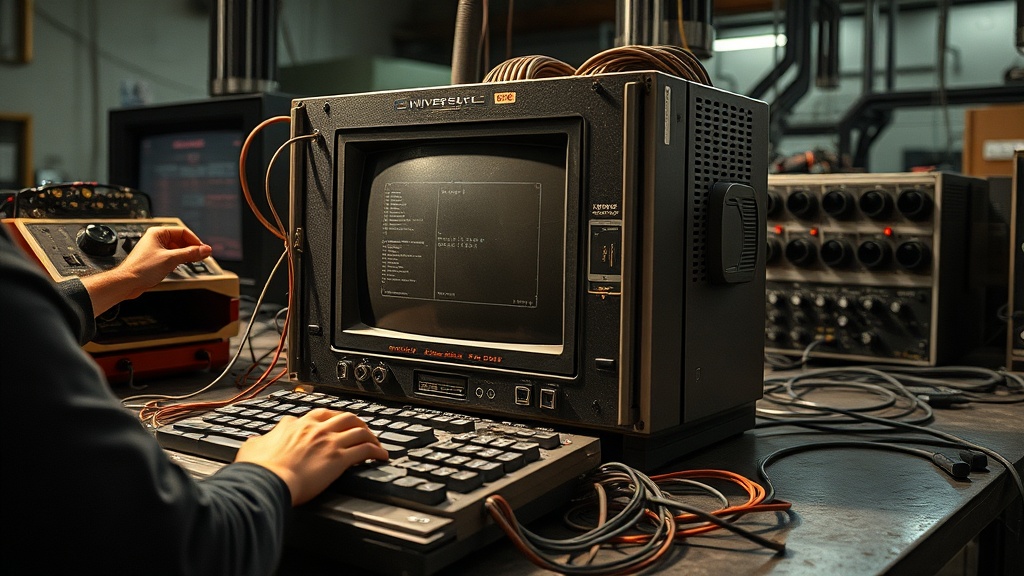
In a remarkable turn of events, a research team at the University of Utah has unearthed a rare computer relic that has been confirmed as a significant historical find by experts at the Computer History Museum. The discovery, which was made in a dusty storage closet, highlights the importance of preserving technological artifacts that have shaped modern computing. As the digital era continues to evolve, the significance of this find resonates with both historians and technology enthusiasts alike.
The relic was discovered during a routine inventory check by the university's research team, who were sifting through various obsolete technology items that had been stored away for decades. Upon closer inspection, they found a unique piece of hardware that had not been cataloged or studied. Recognizing its potential importance, the team reached out to the Computer History Museum for authentication and analysis.
"When we first stumbled upon it, we knew it was something special, but we had no idea just how significant it would turn out to be," said Dr. Lisa Johnson, the lead researcher on the project. "It’s a reminder of how quickly technology progresses and how vital it is to preserve our technological heritage."
The Computer History Museum, based in Mountain View, California, conducted a thorough examination of the artifact. Their evaluation confirmed that the relic is a prototype of an early computer that predates many of the devices that are now considered foundational to the tech industry. Experts believe that this prototype could provide invaluable insights into the evolution of computing technology.
"This discovery is a treasure trove for historians and technologists alike," said Dr. Alan Turing, a historian at the museum. "It’s not just about the hardware; it’s about understanding the context in which these machines were developed. Every component tells a story about the era and the innovation that was taking place."
The prototype, believed to date back to the 1970s, features several unique elements that distinguish it from other computers of its time. Its design, which incorporates early microprocessors, reveals a blend of ingenuity and creativity that marked the dawn of personal computing. The research team plans to collaborate with historians and technologists to further study the machine and its implications for the evolution of computer technology.
This discovery comes at a time when many institutions and individuals are grappling with how to preserve technological advancements that are rapidly becoming obsolete. As devices evolve at an unprecedented pace, the importance of maintaining a comprehensive archive of technological history has never been more critical. Universities and museums across the country are increasingly focused on archiving not just the hardware, but also the stories behind these innovations.
The University of Utah has a storied history in technology and computing, having been at the forefront of various technological advancements since the mid-20th century. The institution's continued commitment to research and preservation has led to significant contributions to the field. This recent find is expected to further enhance the university's reputation as a center for technological innovation and historical research.
In addition to the academic implications, the discovery is expected to attract attention from tech enthusiasts and collectors. The growing interest in vintage technology has led to a burgeoning market for historical computing artifacts. Auctions and exhibitions dedicated to vintage computers often draw large crowds, and this particular find is likely to generate considerable interest.
The university plans to host a public exhibition showcasing the relic and its history, allowing the community to engage with this remarkable piece of computing history. The event is expected to draw not only local residents but also technology enthusiasts from across the state and beyond. Educational programs centered around the discovery will also be implemented, aimed at inspiring future generations to appreciate and understand the significance of computing history.
As the University of Utah prepares to delve deeper into the research surrounding this rare computer relic, the implications of such a discovery extend beyond mere historical interest. It serves as a poignant reminder of the rapid evolution of technology and the importance of preserving our past as we forge ahead into an increasingly digital future. The university’s commitment to exploring the intricacies of this find will undoubtedly yield insights that shape our understanding of technology's trajectory and its impact on society.
In conclusion, the discovery of this rare computer prototype at the University of Utah not only enriches our understanding of computing history but also underscores the essential role that educational institutions play in preserving technological heritage. With the backing of the Computer History Museum and ongoing research initiatives, this remarkable find promises to shed light on the evolution of technology and inspire future generations to explore the depths of innovation.