UDOT Announces Backcountry Closure for 2026 Ski Season in Utah
UDOT announces its first backcountry closure of the 2026 ski season, prioritizing safety amid rising avalanche risks.
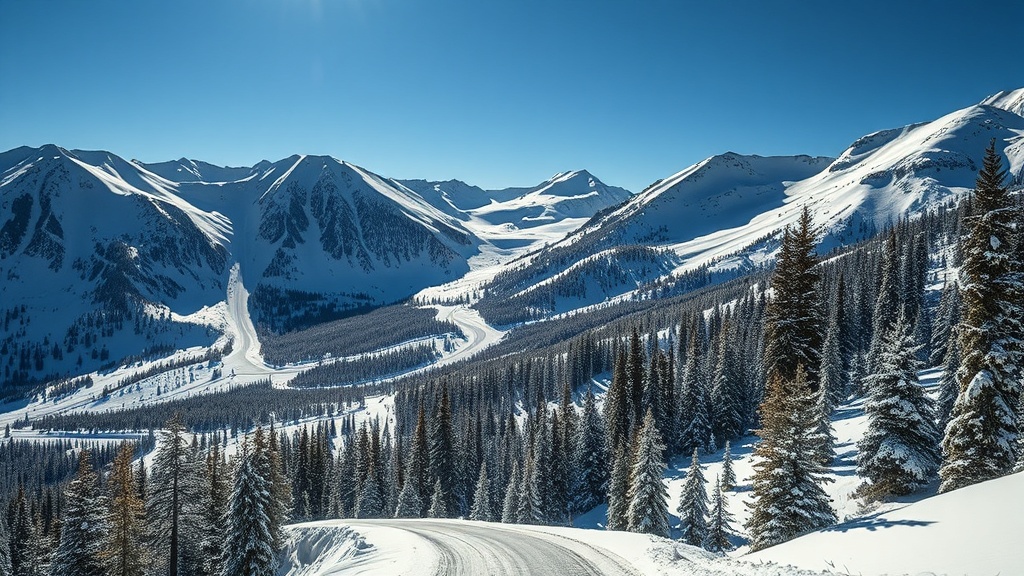
The Utah Department of Transportation (UDOT) has officially announced its first backcountry closure for the 2026 ski season, marking a significant development for outdoor enthusiasts and safety officials alike. This closure, effective immediately, is a proactive measure taken by the UDOT Avalanche Division in response to recent weather patterns and snowpack conditions in the region. With winter approaching, UDOT aims to ensure the safety of skiers and snowboarders venturing into backcountry areas, where avalanche risks can be particularly high.
The announcement comes after a series of storms produced varying snow conditions across the state. In the past weeks, the Avalanche Division has been closely monitoring snowpack stability and weather forecasts, which indicated an increased likelihood of avalanches due to the combination of new snow and fluctuating temperatures. "Our primary responsibility is to keep people safe," said John Smith, head of UDOT's Avalanche Division. "While we understand that many skiers are eager to hit the slopes, the safety of our community is paramount."
The specific areas affected by this backcountry closure include popular ski destinations such as the Wasatch Mountains and parts of the Uinta range, which are renowned for their backcountry opportunities. These regions attract a diverse group of adventurers, from seasoned professionals to casual weekend warriors. To better inform the public, UDOT has published a detailed map outlining the closure zones and the reasons behind the decision.
Experts in avalanche safety have emphasized the importance of understanding snowpack conditions before entering backcountry areas. Dr. Emily Wang, a researcher at the Snow Science Institute, highlighted the unpredictable nature of avalanches, stating, "Even experienced skiers should be cautious. The conditions can change rapidly with the weather, and what may seem safe one moment can become dangerous in a heartbeat."
In addition to the closure, UDOT is ramping up public safety campaigns and educational efforts aimed at informing skiers and snowboarders about avalanche risks. This includes community workshops, online resources, and outreach programs designed to raise awareness regarding the importance of avalanche safety gear and proper planning before heading into backcountry areas. UDOT encourages individuals to stay informed through their website and social media channels, where they will provide updates on conditions and safety guidelines.
The ski industry in Utah is a vital part of the local economy, drawing millions of visitors each year who contribute to the state’s tourism revenue. With the onset of the ski season, local businesses are preparing for an influx of customers. However, the backcountry closure may impact some businesses that cater specifically to backcountry enthusiasts. Many local ski shops and rental services have reported a decline in interest as safety concerns take precedence.
"While we respect UDOT's decision, we hope that the closure will be temporary," said Mike Johnson, owner of a local ski rental shop. "Our customers are eager to enjoy the backcountry, but we must also prioritize their safety. We encourage everyone to follow the guidelines and stay informed."
The closure is not just a precautionary measure; it is indicative of broader trends in winter sports as climate change continues to affect snowfall patterns and weather conditions. Ski resorts and outdoor organizations are increasingly faced with the challenge of adapting to unpredictable weather, which can lead to both increased avalanche risk and altered skiing conditions. As the ski community navigates this evolving landscape, the focus remains on safety and responsible skiing practices.
As the 2026 ski season progresses, UDOT will continue to monitor conditions and make necessary adjustments to the backcountry closures as needed. Skiers are encouraged to utilize resources such as avalanche forecasts, sign up for safety courses, and engage with local avalanche centers to better prepare for their adventures.
In conclusion, UDOT's announcement of the first backcountry closure of the 2026 ski season serves as a crucial reminder of the inherent risks associated with winter sports. By prioritizing safety and promoting awareness, UDOT aims to protect both the lives of skiers and the integrity of Utah's cherished backcountry landscapes. As the ski season unfolds, the collaboration between safety officials, skiers, and the community will be vital in navigating the challenges that lie ahead.