Trump's Shift in Focus from Peace to War: A Look at His Recent Comments
Trump’s recent remarks on peace and proposed military budget increase raise concerns about U.S. foreign policy shifts.
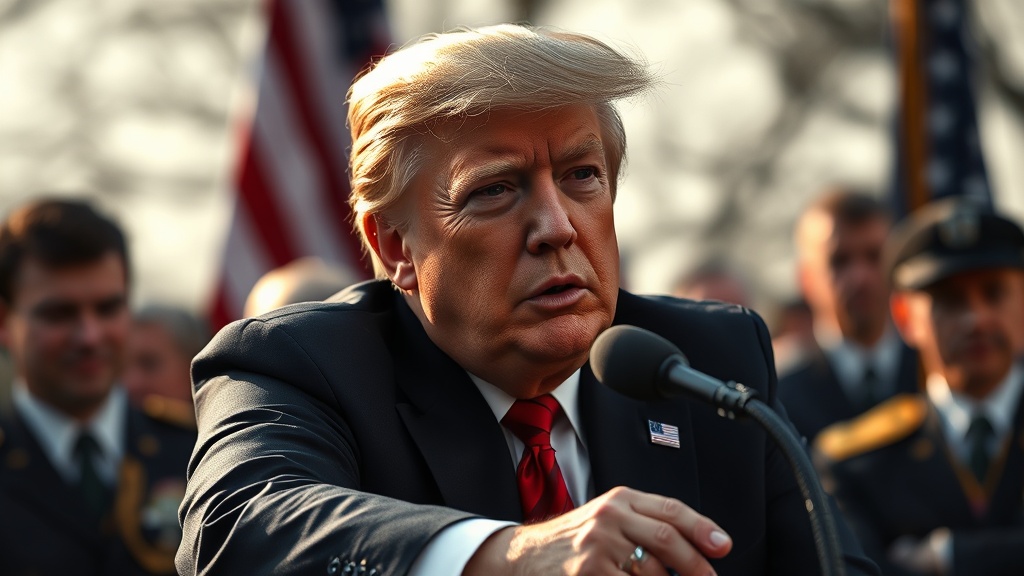
In a striking revelation, President Donald J. Trump recently communicated with Norway’s Prime Minister following his nomination—and subsequent denial—for the Nobel Peace Prize. In his message, Trump expressed a newfound reluctance to prioritize peace in his administration's agenda. He stated, "I no longer feel an obligation to think purely of Peace," a sentiment that has raised eyebrows among political analysts and peace advocates alike. This statement is particularly significant given the context of the President's proposed budget for fiscal year 2027, which includes an unprecedented 50% increase in military spending.
The Nobel Peace Prize is one of the most prestigious international awards, recognizing individuals or organizations that have made substantial contributions to peace efforts. Trump's absence from the list of laureates has prompted various reactions, ranging from disappointment among his supporters to relief from his critics. The President's comments come at a time when the world is grappling with numerous conflicts, including ongoing tensions in the Middle East, rising tensions with North Korea, and the war in Ukraine, where diplomatic solutions remain elusive.
Trump’s remarks signal a notable shift in his administration's strategic priorities. Historically, his presidency has oscillated between isolationist tendencies and aggressive foreign policy maneuvers, often characterized by his focus on military strength as a deterrent. This latest statement, however, appears to pivot away from even a veneer of diplomatic engagement, raising questions about the long-term implications for U.S. foreign policy.
The proposed budget increase is particularly alarming, as it would mark one of the most significant boosts in military funding in recent American history. Current estimates suggest that the defense budget, which is already among the highest in the world, could reach levels that significantly exceed those of previous administrations. The increase is likely to be justified by the administration through the lens of national security, particularly in light of perceived threats from other nations and ongoing military commitments abroad.
Critics of the President’s approach argue that this shift from peace to militarization could have dire consequences, both domestically and internationally. Among these critics are lawmakers from both political parties who have expressed concern that increasing military spending at the expense of diplomatic initiatives could destabilize already fragile international relations. They argue that prioritizing military solutions over peaceful negotiations jeopardizes the potential for resolving conflicts through dialogue, which has historically proven more sustainable in the long run.
Moreover, the implications of such a budget increase extend beyond foreign policy. Economically, critics assert that reallocating substantial funds to the military could detract from essential domestic programs, including education, healthcare, and infrastructure. The impact on the national budget could lead to increased deficits and a shift in resource allocation that may not align with the priorities of many American citizens.
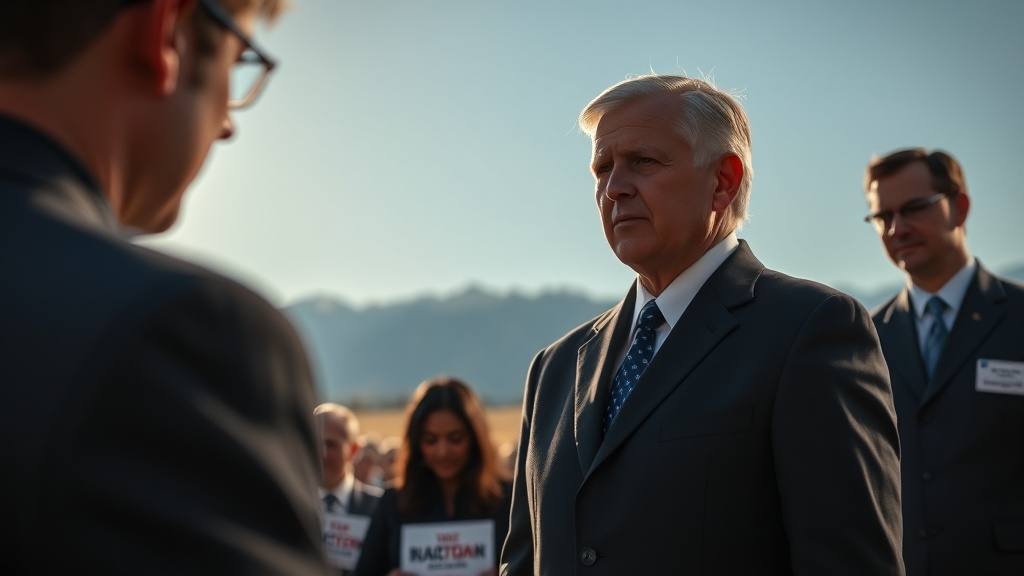
In response to Trump’s comments, several peace advocacy organizations have voiced their disapproval. The Peace Action Network released a statement urging the administration to reconsider its priorities, emphasizing that true security comes from diplomatic engagement and international cooperation rather than military might. The organization highlighted the need for robust investment in humanitarian efforts, conflict resolution, and initiatives aimed at building trust among nations.
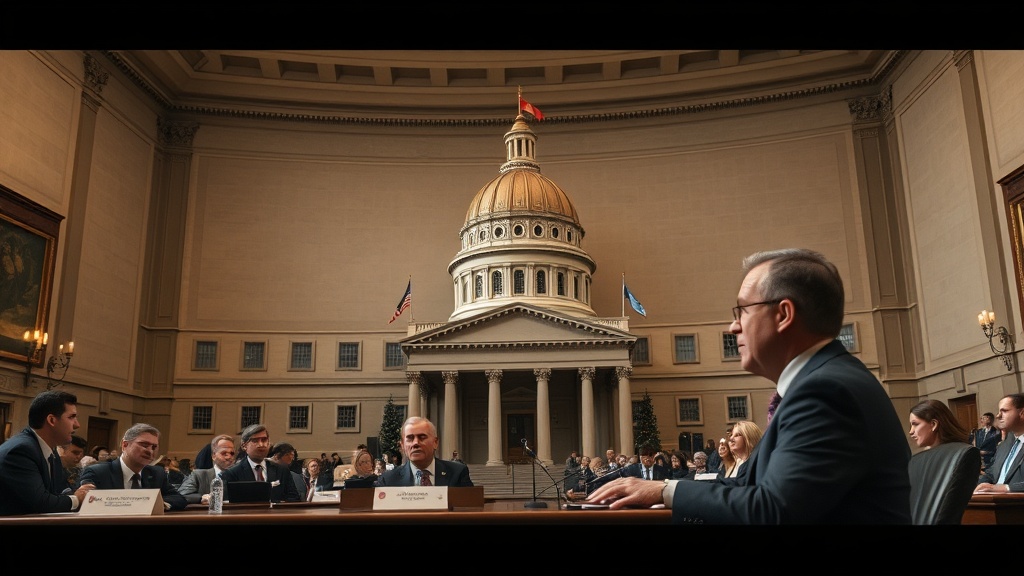
As discussions surrounding the 2027 budget continue, it remains to be seen how Congress will respond to the President’s request for increased military funding. Lawmakers face a delicate balancing act, as they weigh the implications of such spending against the pressing needs of their constituents. Additionally, with the 2024 presidential election on the horizon, the budget proposal is likely to become a focal point of political debate, influencing campaign strategies and voter sentiments.
In conclusion, President Trump’s recent statements and budget proposals signal a significant departure from any previous commitments to peaceful resolutions in international conflicts. As global tensions rise and diplomatic efforts falter, the implications of prioritizing military expenditures over peace initiatives will likely resonate throughout the political landscape and impact U.S. relations on the world stage. As the country moves forward, the challenge will be to navigate these complex issues while considering the long-term consequences of a militarized foreign policy. The coming months will be crucial in determining how these dynamics unfold and what they mean for both the United States and the global community.