Trump Proposes Nationalization of Elections, Raising Concerns Among State Officials
Trump's call to nationalize elections raises alarms among state officials, sparking debates over federalism and election integrity.
In a controversial statement that has sent shockwaves through the political landscape, President Donald Trump has called for the nationalization of voting procedures across the United States. This declaration comes at a crucial time, as tensions between federal authorities and state election officials are already running high. The implications of such a move could dramatically alter the balance of power in election administration, raising alarms among officials responsible for ensuring fair and transparent elections.
During a recent rally, Trump stated, "We must nationalize our elections to ensure that every American's vote counts equally. This will eliminate the corruption and inconsistencies that plague our current system." His remarks have provoked a range of reactions from state officials, many of whom see this as an encroachment on their authority and a threat to the decentralized nature of the U.S. election system.
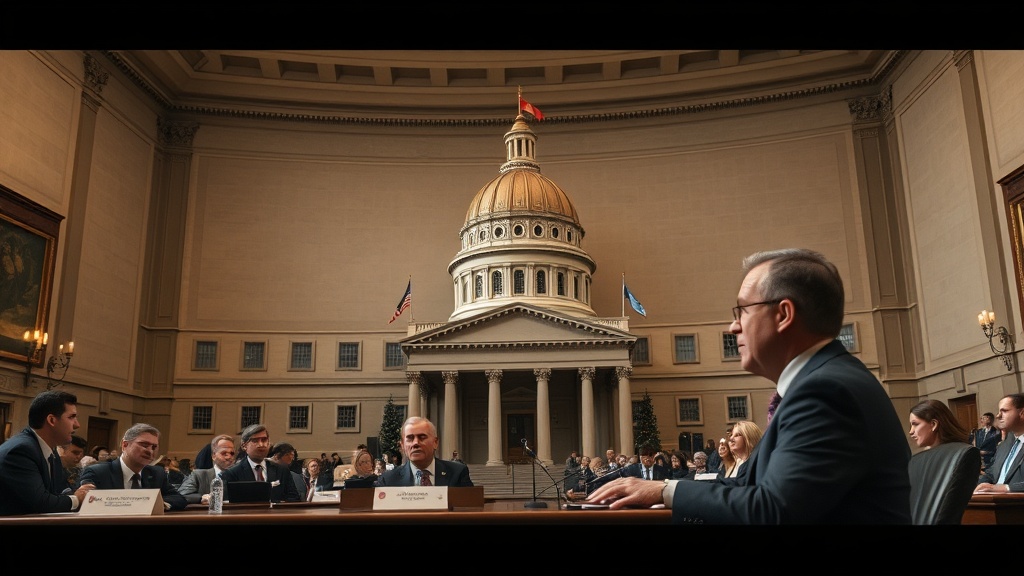
Historically, election administration in the United States has been primarily the responsibility of state governments. Each state has its own set of rules and regulations governing the electoral process, from voter registration to ballot counting. This decentralized system is designed to provide states with the flexibility to tailor their voting processes to the needs of their populations. However, Trump's call for nationalization raises questions about whether federal oversight could undermine this state sovereignty.
"The idea of federalizing elections is alarming to us as state officials," said Utah Secretary of State Spencer Cox. "Each state has unique demographics and needs, and we believe that local officials are best equipped to handle these challenges. Nationalization could lead to a one-size-fits-all approach that doesn’t work for everyone."
Concerns surrounding election integrity have been a focal point for the Trump administration, particularly following the 2020 election, which Trump falsely claims was marred by widespread fraud. The administration has pushed for various reforms aimed at enhancing security, including stricter voter ID laws and increased funding for election technology. However, critics argue that these efforts often disproportionately affect marginalized communities, creating barriers to voting rather than improving security.
The proposal for nationalizing elections is seen by some as part of a broader strategy to reshape the electoral landscape in favor of the Republican Party. Political analysts have pointed out that such a move could centralize power in the hands of the federal government, potentially leading to fewer protections for voters at the local level.
In response to Trump’s comments, various state officials have expressed their commitment to maintaining the integrity of their electoral processes. "Our election system is designed to be resilient and adaptable," said Georgia Secretary of State Brad Raffensperger. "We will continue to uphold our responsibilities and ensure that every legal vote is counted, without interference from the federal government."
The nationalization of elections would require significant legislative changes, likely facing staunch opposition in Congress. Historically, any attempt to impose federal standards on state-administered elections has been met with resistance from both sides of the aisle, as lawmakers recognize the importance of local control in maintaining the integrity of the electoral process.
Experts warn that Trump's proposal could further exacerbate divisions within the already polarized political environment. "This is not just about voting; it’s about control and power," said political scientist Dr. Linda McMurray. "Nationalizing elections could lead to significant pushback from states that view this as an infringement on their rights, potentially resulting in legal battles that could reach the Supreme Court."
In addition to the political implications, the logistical challenges of implementing a nationalized voting system are daunting. Each state has developed its own infrastructure for elections, including voting machines, ballot design, and counting methods. Transitioning to a federally regulated system would require substantial investment and time, raising questions about the feasibility of such an initiative.
As the debate over election nationalization continues, it remains to be seen how state officials will respond to Trump’s call. Many are advocating for a more collaborative approach that emphasizes transparency and security without compromising local control. "We are open to discussions about improving our electoral processes, but it must be done in partnership with state officials, not through top-down mandates," said Michigan Secretary of State Jocelyn Benson.
In conclusion, President Trump's proposal to nationalize elections has raised significant concerns among state officials and political analysts alike. As discussions progress, the implications of such a move could reshape the landscape of American democracy, challenging the delicate balance between federal oversight and state control in the electoral process. The coming months will likely see heightened debates and potential legislative efforts surrounding the future of election administration in the United States.