Tragic Mountain Lion Attack in Colorado Claims Life of 46-Year-Old Woman
Kristen Marie Kovatch, 46, was killed by a mountain lion in Larimer County, Colorado, on New Year's Day, prompting safety concerns and wildlife protocols.
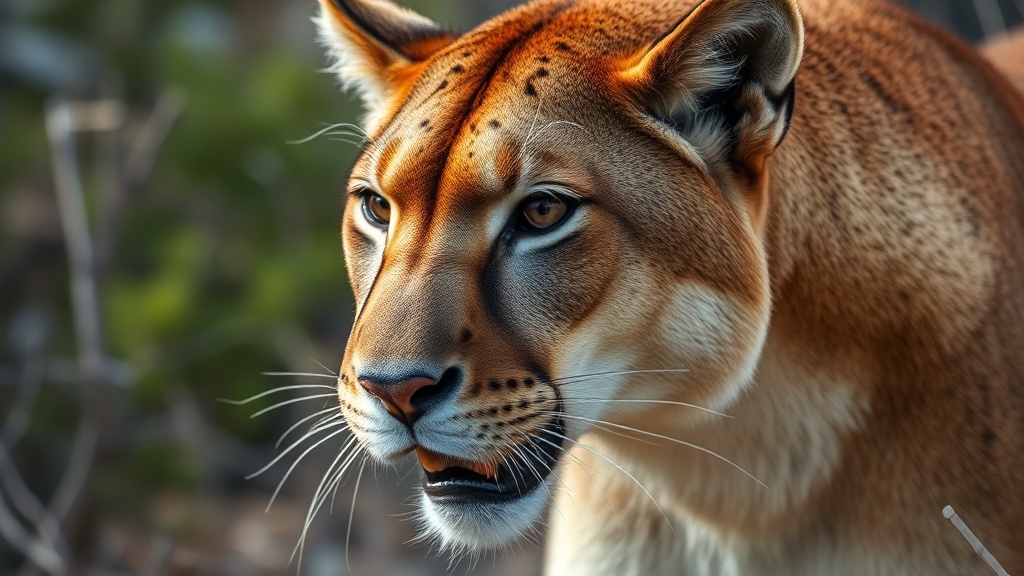
LARIMER COUNTY, Colo. – The tragic incident on New Year's Day that led to the death of a woman in Colorado has sent shockwaves through the community. The Larimer County Coroner’s Office has identified the victim as 46-year-old Kristen Marie Kovatch, a resident of Fort Collins. According to the coroner's autopsy report, Kovatch’s injuries were consistent with those typically sustained in a mountain lion attack, and her cause of death was ruled as asphyxia due to external neck compression, with the manner of death classified as an accident.
The incident occurred around 12:15 PM on January 1, as a group of hikers traversed the Crosier Mountain Trail, a popular hiking route in the area. They stumbled upon a mountain lion near a motionless figure on the ground. Quickly assessing the situation, the hikers, including a physician, attempted to scare off the animal by throwing rocks. However, despite their efforts, the physician found no pulse when he went to assist Kovatch, leading to a desperate call for help.
Emergency responders from Colorado Parks and Wildlife (CPW), Larimer County Sheriff's Office, Estes Park police, and local volunteer firefighters rushed to the scene. Upon arrival, they initiated an extensive search for mountain lions in the vicinity. The search resulted in the euthanization of two mountain lions found nearby, as mandated by CPW policy in cases of wildlife attacks on humans. A third mountain lion was spotted but eluded capture.
Kara Van Hoose, a spokesperson for CPW, emphasized the necessity of euthanizing any wildlife involved in human attacks, stating, "Once an animal has lost its healthy fear of humans and has taken a step to attack people, we can’t, in good conscience, leave that on the landscape. That’s a threat both to humans and to other animals." This protocol aims to ensure public safety and prevent future incidents.
The necropsy results from the two euthanized lions revealed that both were approximately one year old and in good health. However, shocking findings emerged when human DNA was discovered on the paws of the male lion. In contrast, the female lion did not show any signs of human DNA. While the final necropsy reports are still pending, this crucial evidence suggests that the male lion was indeed involved in the attack on Kovatch.
CPW officials noted that the presence of multiple lions in the area during the time of the attack indicates a family group may have been responsible for the incident. Mark Leslie, the regional manager for CPW’s northeast region, expressed the seriousness of the situation, stating, "This is not a decision we take lightly. CPW is charged with protecting human safety. Given the gravity of this situation and the rarity of this type of behavior, this was a necessary, if unfortunate action."
The tragedy has sparked renewed concerns regarding mountain lion activity in Larimer County. In the past few months, there have been several reported encounters between humans and mountain lions in the area, including incidents involving attacks on pets. In one notable case in December, a man shot a mountain lion that was attacking his dog, underscoring the increasing interactions between wildlife and residents.
In response to the recent events, CPW issued a timeline of mountain lion activity in the region, detailing several encounters over the past few months. The agency has documented 28 mountain lion attacks resulting in injury in Colorado since 1990, with two confirmed fatalities and one suspected fatality. Of these, 11 incidents occurred in the northeast quadrant of the state, which includes Larimer County. The rarity of fatalities from mountain lion attacks is notable; across North America, fewer than 20 people have died from such attacks in over a century.
In light of this tragic occurrence, Colorado Parks and Wildlife has reiterated safety guidelines for hikers who may encounter mountain lions. The agency advises against approaching the animals and urges individuals to remain calm and avoid turning their backs, which could trigger the lion's instinct to chase. They recommend standing tall, making oneself appear larger, and speaking firmly to deter the animal. If an attack occurs, CPW encourages individuals to fight back, targeting sensitive areas like the eyes and nose.
As residents come to grips with this devastating loss, the community is reminded of the importance of coexistence with wildlife. Leslie expressed condolences to Kovatch’s family, stating, "Our hearts go out to the victim’s family. This is a terrible tragedy. This hiker did what many people do on New Year’s Day. She went out in nature, and the fact that she did not return to her family and friends is nothing short of heartbreaking."
Crosier Mountain Trail has since reopened, but CPW has placed mountain lion-related signage to inform hikers of the potential dangers. The agency continues to monitor the situation and urges anyone who encounters a mountain lion to report the incident promptly. For those who witness or experience conflicts with mountain lions, CPW encourages contacting the Denver office or Colorado State Patrol to ensure community safety.
As wildlife and human populations continue to intersect, the tragic death of Kristen Marie Kovatch serves as a stark reminder of the inherent risks posed by wildlife encounters in the great outdoors.