The Importance of Women's Representation in Sports Media Industry
Women's representation in sports media is crucial for diverse storytelling and audience engagement.
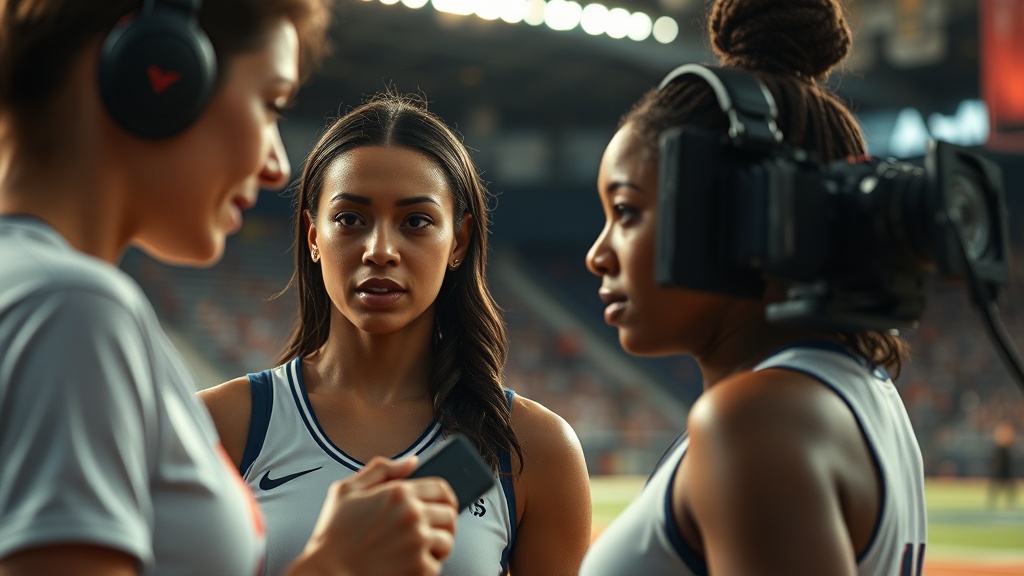
At the University of Utah's football facility, the presence of women in full-time roles remains limited. This observation is not unique to this institution; it reflects a broader trend within the sports media industry. Women's contributions to sports journalism and media are critical, yet they are often underrepresented in various roles, from reporting to production.
The lack of female voices in sports media can have significant implications for how stories are told and which narratives are prioritized. With women making up a substantial portion of sports fans, their perspectives and experiences should be integrated into the media landscape. The inclusion of diverse viewpoints can enhance coverage and provide a richer understanding of the sports world.
As internships and entry-level positions are often the starting point for many in sports media, it is essential to ensure that women have equal access to these opportunities. Educational institutions and organizations in the sports industry are beginning to recognize the importance of mentorship and support for aspiring female professionals. Initiatives aimed at promoting gender diversity can help to cultivate a new generation of women leaders in sports media.
Moreover, the push for women's representation is not solely about fairness; it also correlates with better performance and innovation in media. Research indicates that diverse teams tend to produce more creative solutions and reach broader audiences. By amplifying women's voices in sports media, organizations can better connect with diverse fan bases and foster more inclusive environments.
Efforts to increase representation can include targeted recruitment, training programs, and partnerships with organizations dedicated to gender equity in sports. As the industry evolves, the ongoing dialogue about women's roles in sports media will remain vital to shaping an equitable and comprehensive sports narrative for all audiences.