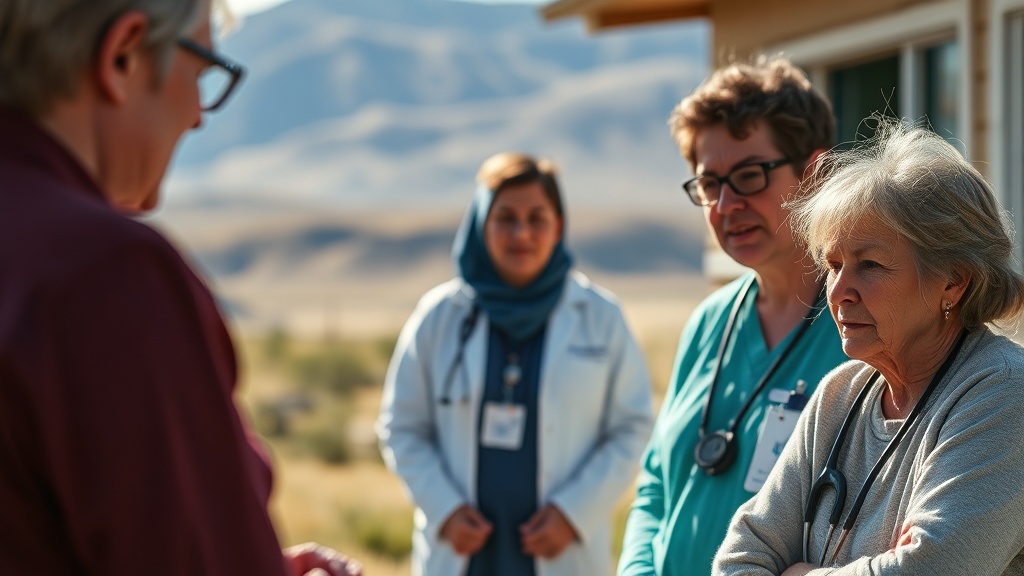
The Impact of Religion and Sexism on Women's Health in Utah
In Utah, the intersection of religion and sexism significantly impacts women's health, creating barriers to healthcare access and leadership opportunities.
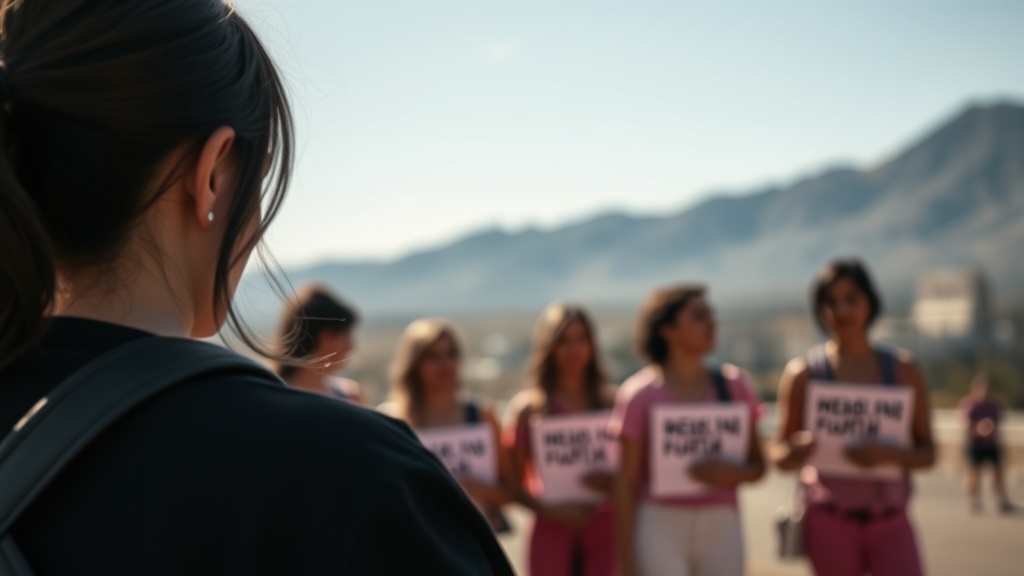
In the heart of Utah, a state known for its vibrant communities and strong religious ties, an unsettling intersection of sexism and religious beliefs is emerging as a significant barrier to women’s health. This phenomenon has been gaining attention from researchers, health professionals, and advocates who are increasingly concerned about the implications for women's well-being and leadership roles within society. As various studies and personal testimonies reveal, the ways in which sexism manifests in religious contexts can have profound effects on women's health, both physical and mental.
A recent analysis by the National Women’s Law Center highlights that women in Utah face unique challenges when seeking healthcare, often influenced by prevailing cultural and religious norms. The state, with its predominant Latter-day Saint (LDS) population, presents a distinct environment where traditional gender roles are prevalent. This cultural backdrop can lead to a reluctance among women to seek necessary medical care due to fears of judgment or stigma, particularly surrounding issues related to reproductive health.
Dr. Laura H. Cummings, a physician specializing in women’s health in Salt Lake City, noted, “Many of my patients express concerns about how their choices might be perceived by their community. This can deter them from seeking preventive care or discussing sensitive health issues.” In Utah, where many women rely on familial and community support systems that are often steeped in religious beliefs, the fear of social repercussions can exacerbate health issues and lead to late diagnoses of serious conditions.
The implications of these cultural pressures extend beyond individual health challenges. Research has shown that when women are unable to access effective healthcare, it can lead to broader societal issues, including increased healthcare costs and reduced workforce participation. A 2022 study conducted by the Utah Department of Health found that women who reported feeling constrained by gender norms were more likely to experience chronic health problems, including anxiety and depression, which can hinder their ability to pursue leadership roles in their careers.
Moreover, the intersection of religion and sexism in Utah is not limited to healthcare access. It also plays a role in educational and professional environments, where women often face barriers to leadership and advancement. A report from the Utah Women’s Leadership Project states that women in the state are underrepresented in leadership positions across various sectors, partly due to systemic sexism that is perpetuated by cultural beliefs. The report emphasizes that fostering environments where women can thrive is essential for community progress.
Advocacy groups like the Utah Women’s Network are working to address these issues by promoting policies that empower women and enhance access to healthcare. They emphasize the importance of comprehensive sex education and reproductive rights as essential elements in ensuring that women can make informed choices about their health. As the network's director, Maria Johnson, stated, “Empowering women through education and access to services is crucial. It’s about breaking the cycle of silence and stigma that surrounds women’s health issues.”
In light of these challenges, some religious groups are beginning to reevaluate their positions on women’s health and leadership. A growing number of faith leaders in Utah are advocating for a more holistic approach that prioritizes women’s health while respecting religious beliefs. This shift is critical in creating supportive environments where women can thrive both spiritually and physically.
The conversation surrounding sexism and religion in Utah is complex and multifaceted. While religious beliefs can provide strong community bonds, they can also create barriers that impact women’s health negatively. The challenge lies in balancing cultural values with the need for comprehensive healthcare access and gender equality. As advocates continue to push for change, it remains essential for community leaders, healthcare providers, and policymakers to collaborate in addressing these critical issues.
In conclusion, the intersection of religion and sexism presents significant challenges for women's health in Utah. As awareness grows about these issues, there is hope that communities will work together to dismantle these barriers. By fostering an environment that supports women's health and empowerment, Utah can pave the way for a healthier future where all women have the opportunity to thrive. The ongoing dialogue among community members, healthcare providers, and religious leaders is essential in shaping policies that uphold women's rights and health in the face of longstanding cultural norms.