Rural Health Care in Utah: Voices Advocating for Improved Access and Services
Utahns advocate for improved rural health care access, highlighting challenges and proposing community-driven solutions.
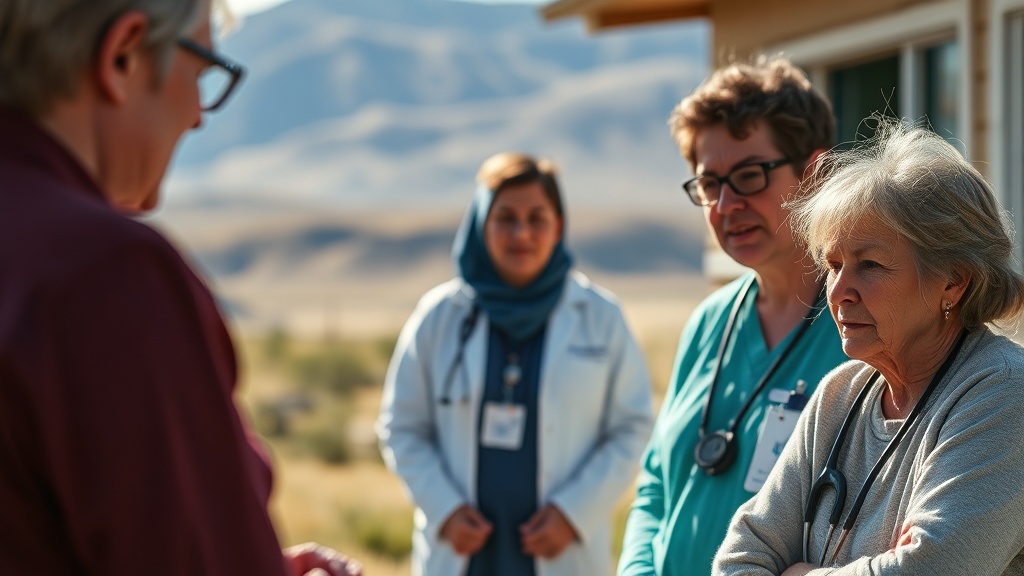
In the heart of the Beehive State, residents are rallying for improved rural health care access, a crucial topic that has garnered significant attention in recent discussions. As part of this week’s 'Inside Voices' initiative, Utahns from various communities expressed their concerns and proposed solutions regarding the challenges faced in accessing essential health services in rural areas. This newsletter serves as a platform for constructive dialogue, setting itself apart from the divisive rhetoric permeating other forums.
Rural health care in Utah is characterized by its unique challenges. Many rural communities are geographically isolated, making it difficult for residents to access hospitals, clinics, and specialized medical services. According to the Utah Department of Health, approximately 1.5 million people live in rural areas, and many face barriers such as transportation issues, financial constraints, and a shortage of health care providers. This has created an urgent need for solutions that can bridge the gap in health service availability.
One resident, Mary Thompson from Millard County, voiced her frustration regarding the lack of local health care options. "It can take hours to get to the nearest hospital, and that’s if you have a car that works," she said. Thompson's experience is not unique; many rural residents share similar stories of long drives for basic medical care. These logistical challenges can have dire consequences, especially in emergencies where timely treatment is critical.
Another critical aspect of the discussion revolves around the shortage of medical professionals in rural areas. A report from the Utah Medical Education Council highlights that nearly 60% of Utah’s physicians practice in urban areas, while rural counties often struggle to attract and retain health care providers. This disparity results in limited access to primary care, mental health services, and specialty care, leaving residents with few options.
To address these issues, community leaders and health advocates are calling for increased investment in rural health care infrastructure. Initiatives such as telemedicine have gained traction as potential solutions. Telemedicine allows patients to consult with health professionals via video conferencing, significantly reducing the need for travel. Dr. Emily Johnson, a rural health advocate, stated, "Telemedicine can be a game-changer. It allows us to connect patients with specialists without them having to leave their communities."
In addition to telemedicine, local leaders are advocating for financial incentives to attract more health care providers to rural areas. Programs that offer student loan forgiveness or grant funding for medical professionals willing to practice in underserved communities could help alleviate the provider shortage. "We need to make it more appealing for young doctors to come here," said John Martinez, a local health policy expert. "Investing in our rural health workforce is essential for the future of these communities."
The conversation surrounding rural health care is not just about access; it also includes addressing the specific health needs of these populations. For instance, rural areas often experience higher rates of chronic diseases such as diabetes and heart disease, and mental health issues are exacerbated by isolation and limited resources. Public health campaigns tailored to rural populations could play a significant role in improving health outcomes, focusing on prevention and education.
Utah's rural residents are also advocating for stronger community engagement in health decision-making. Many believe that local input is vital for creating effective health policies. "We know our communities better than anyone else," said Thompson. "If we’re not part of the conversation, then the solutions won’t work for us."
As discussions continue, it is clear that improving rural health care in Utah requires a multifaceted approach. Collaboration among government agencies, health care providers, and local communities will be key to developing effective solutions. Stakeholders are encouraged to come together to share ideas and resources, fostering an environment that prioritizes health equity across the state.
In conclusion, the voices of Utahns advocating for better rural health care reflect a growing awareness of the challenges faced by these communities. As the state grapples with how to address these issues, the insights shared through initiatives like 'Inside Voices' will be invaluable in shaping the future of health care in rural Utah. The path forward may be complex, but with continued dialogue and commitment, it is possible to create a health care system that serves all residents, regardless of their location. By addressing these disparities, Utah can ensure that every citizen has access to the health care they need and deserve.