The Erosion of Voter Rights: A Deep Dive into Current Challenges
As legislative measures tighten voting regulations, concerns rise over voter rights erosion and the health of democracy in America.
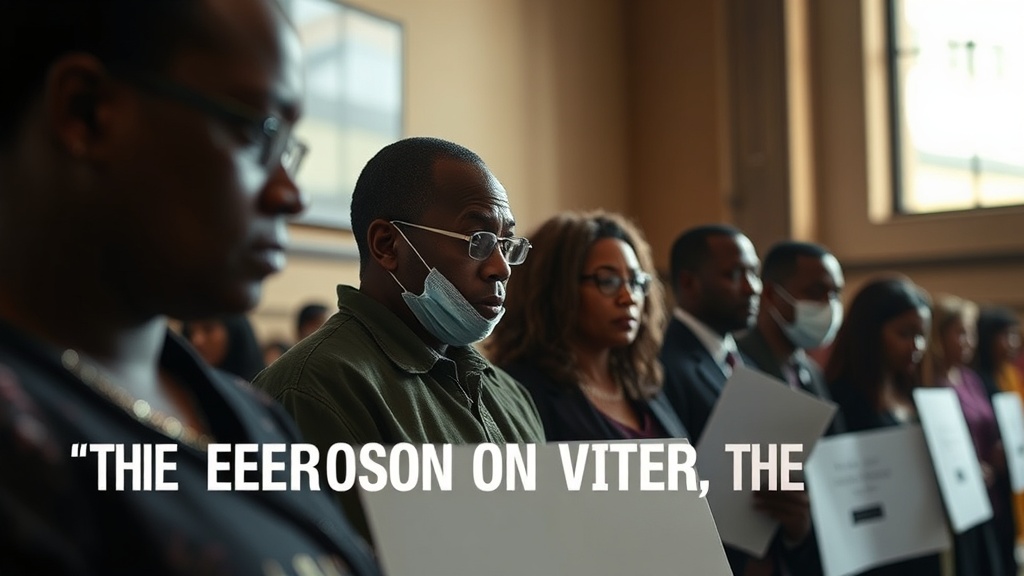
In recent years, the landscape of American democracy has faced significant scrutiny, particularly concerning the rights of voters. As legislative measures across various states tighten voting regulations, concerns have emerged regarding the potential erosion of these fundamental rights. Critics argue that such measures could disenfranchise millions of eligible voters, raising alarms about the health of democracy in the United States.
In a letter to the editor published in a local Utah newspaper, a concerned citizen expressed their apprehension regarding this trend. The writer invoked the image of "Lady Liberty," a longstanding symbol of democracy and freedom, suggesting that the ideals she represents are increasingly at risk. The author of the letter argued that the manipulation of democratic principles to serve partisan interests threatens the core tenets of the Constitution.
Historically, the United States has prided itself on being a beacon of democracy, where the right to vote is considered sacrosanct. However, recent legislative actions have led to a growing concern among citizens and advocacy groups alike. For instance, states such as Georgia and Texas have implemented stricter voter ID laws and reduced early voting opportunities, purportedly in the name of election security. Critics point out that these measures disproportionately affect minority communities and low-income voters, who may lack the resources to navigate the new requirements.
The implications of these changes are profound. According to a report from the Brennan Center for Justice, over 480 restrictive voting laws have been introduced in state legislatures across the country since the beginning of 2021. This legislative wave has sparked numerous lawsuits as civil rights organizations challenge these laws in court, arguing that they violate the Voting Rights Act.
In Utah, where voter turnout has historically been strong, the conversation around voting rights is becoming increasingly urgent. Local advocacy groups, like the Utah League of Women Voters, have been vocal about the need to protect and expand access to the ballot box. They argue that any measures perceived as voter suppression must be scrutinized and challenged. “Every eligible voter deserves the right to participate in the democratic process without undue barriers,” said a spokesperson for the organization.
Moreover, the conversation around voter rights is not just confined to state lines; it has national ramifications. The U.S. Congress has considered several pieces of legislation aimed at safeguarding voting rights, including the Freedom to Vote Act and the John Lewis Voting Rights Advancement Act. However, these efforts have faced significant bipartisan opposition, stalling progress at the federal level. The failure to enact comprehensive voting rights protections has left many advocates feeling disillusioned.
As lawmakers continue to debate these issues, the potential for further polarization in American politics looms large. The erosion of voting rights can lead to decreased civic engagement, as individuals may feel their voices are not heard or valued in the political process. This concern is particularly pressing in a nation where voter apathy has already been a growing issue.
The consequences of diminished voter rights extend beyond the individual; they affect the very fabric of democracy. When citizens perceive that their ability to influence government is curtailed, trust in democratic institutions declines. This erosion of trust can foster an environment where voter turnout decreases, further exacerbating the cycle of disenfranchisement.
In conclusion, the ongoing debate over voting rights is not merely a political issue; it is a matter of preserving the principles upon which the nation was founded. As citizens across the country remain vigilant, the challenge lies in ensuring that democracy remains accessible to all. Advocates stress the importance of engaging with legislators, participating in civic activities, and raising awareness about the critical nature of voting rights in the ongoing struggle for equality and justice in America. The stakes are high, and the future of American democracy may hinge on the ability to protect the rights of all voters, ensuring that Lady Liberty continues to stand as a symbol of freedom and democracy for generations to come.