Sundance Film Festival's Farewell to Utah: A Veteran's Perspective
After 30 years, arts reporter Scott Iwasaki reflects on Sundance's cultural legacy as it moves to Boulder.
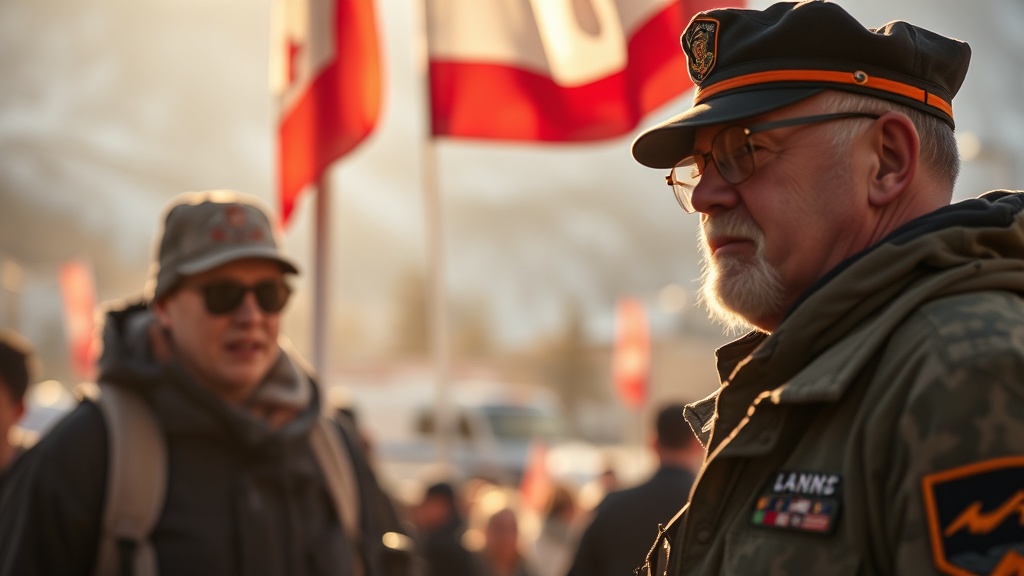
After three decades of immersing himself in the vibrant chaos of the Sundance Film Festival, longtime arts reporter Scott Iwasaki prepares to bid farewell to an event that has profoundly influenced the indie film landscape. The festival, which has served as a launching pad for countless filmmakers and actors since its inception in 1978, is set to relocate to Boulder, Colorado, marking the end of an era for Utah and its cultural scene. As Iwasaki reflects on his extensive experience covering Sundance, he highlights the festival's unique atmosphere, its role in promoting artistic expression, and the community it has fostered over the years.
Iwasaki's journey with Sundance began in 1992, a time when the festival was still finding its footing in the cinematic world. "I remember the early days, when the festival was a bit more intimate, and filmmakers could mingle more freely with audiences and critics alike," he recalls. Over the years, Sundance has transformed into a global hub for filmmakers, attracting industry heavyweights and celebrity guests. This year’s festival, marking its final chapter in Utah, showcases over 120 feature films and numerous short films, further solidifying its reputation as a premier destination for independent cinema.
The festival's impact on the local community cannot be overstated. It has not only boosted tourism but has also spurred economic growth in the region. Local businesses, ranging from hotels to restaurants, thrive during the festival, as visitors flock to Park City and surrounding areas to experience the unique blend of art and culture. Iwasaki notes how the festival has helped put Utah on the map as a cultural hub. "It’s incredible to see how Sundance has transformed Park City into a vibrant center for film and arts," he says.
As Sundance bid its farewell to Utah, attendees reflected on the festival's lasting legacy. Filmmakers, actors, and audiences alike expressed their gratitude for the opportunity to share their stories in an environment that embraces creativity and innovation. This year’s festival has brought together a diverse array of voices and stories, showcasing the power of independent cinema to challenge norms and spark dialogue.
One of the standout films this year is “The Last Summer,” a coming-of-age story that delves into the complexities of youth, identity, and relationships. Director Jane Doe expressed her excitement about premiering her film at Sundance, stating, "This festival has been a dream for me, and to be a part of its final Utah chapter is incredibly special." Many attendees echoed her sentiments, emphasizing the importance of Sundance as a platform for underrepresented voices in film.
However, the move to Boulder raises questions about the future of the festival and its ability to maintain the same level of intimacy and community engagement that has characterized its Utah presence. While Boulder offers its own unique charm, many worry that the festival may lose some of its essence in a new environment. Iwasaki, reflecting on these concerns, stated, "It will be interesting to see how the festival adapts to its new surroundings. I hope it continues to foster the same sense of community and creativity that has made it so special in Utah."
As the festival wraps up its final Utah edition, Iwasaki is left with a sense of nostalgia. "I’m going to miss the late-night screenings, the lively discussions with filmmakers, and the palpable excitement in the air during the festival. It’s been a significant part of my life, both professionally and personally," he admits. With his extensive experience covering the festival, Iwasaki has witnessed the evolution of not just the festival but the entire independent film industry.
The Sundance Film Festival has undeniably left an indelible mark on both the cinematic world and the state of Utah. As it prepares to move to Boulder, the legacy of Sundance in Park City will continue to resonate within the hearts of filmmakers, critics, and audiences alike. The festival’s commitment to showcasing diverse voices and pushing boundaries in storytelling will remain a beacon for future generations of filmmakers.
In closing, as the final curtain falls on Sundance in Utah, the festival’s spirit lives on through the stories that have been shared and the connections that have been forged. For Iwasaki and many others, it is not just an end but a celebration of the rich tapestry of narratives that have emerged from this iconic festival. The transition to Boulder promises new adventures, and while the Utah chapter may be closing, the story of Sundance is far from over.