Sundance Film Festival Concludes: A Reflection on its Impact on Park City
The Sundance Film Festival concludes, reflecting on its impact on Park City and the evolving landscape of independent cinema.
The Sundance Film Festival, a cornerstone of independent cinema, concluded its latest iteration this past Tuesday, wrapping up a decade-long journey that has profoundly influenced Park City's cultural landscape. While the festival has historically been a magnet for filmmakers, celebrities, and audiences, this year’s event marked a notable shift as the festival faced post-pandemic realities and evolving audience dynamics.
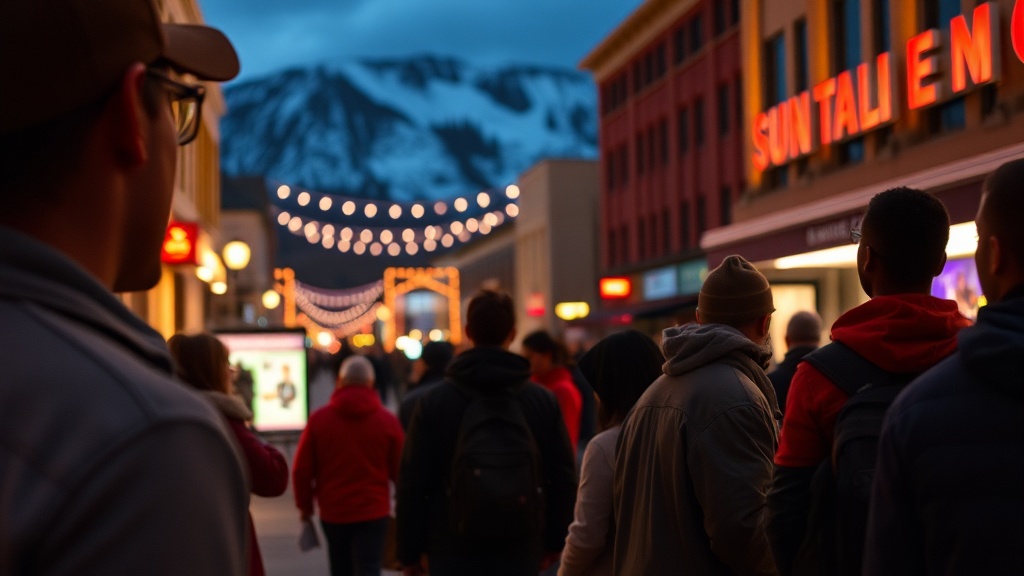
Held over ten days, the festival began with excitement, drawing thousands to Main Street, a hub of activity filled with both official events and informal gatherings. The festival has become synonymous with Park City’s identity, and its beginnings can be traced back to a time when it offered a much-needed boost to the local economy during the ski season’s lull. For years, it filled hotel rooms and restaurants, providing a vibrant atmosphere that contrasted sharply with the typically quiet winter months.
Historically, Sundance not only brought guests to Park City but also introduced the community to the world of independent film, showcasing lesser-known filmmakers alongside some of Hollywood’s biggest names. As the festival evolved, it became more commercialized, attracting media attention and industry professionals. However, the influx of visitors and the media circus surrounding the event began to overshadow its artistic roots, leading to a complex relationship between the festival and the local community.
As the festival grew, it faced challenges, particularly in the wake of the COVID-19 pandemic. Many local residents noted that after the pandemic, the festival’s vibrancy seemed to diminish. With skyrocketing hotel rates, many festival-goers opted to stay in Salt Lake City rather than Park City, leading to a shift in where screenings were held. This year’s festival saw a scaled-back version of its former self, with fewer sponsor displays and temporary storefronts than in previous years.
On a recent Saturday, a group of friends and I ventured into the heart of the festival. The experience began with a packed shuttle bus that took nearly an hour to arrive at Main Street, a journey filled with anticipation and the mingling of diverse festival attendees. Upon arrival, the atmosphere was palpable, with people dressed in black, donning an eclectic mix of winter footwear, from stylish high heels to rugged boots. The iconic cowboy hat shops on Main Street appeared to thrive as attendees searched for unique souvenirs.
Despite the bustling street, there was an air of surrealism, as many festival-goers seemed to be engaged in the art of observation rather than participation. Crowds meandered, watching others watch the spectacle of the festival unfold. This phenomenon underscored a critical observation about the festival: while it offered a platform for filmmakers, it also created an environment where the act of being seen became a spectacle in itself.
Celebrity sightings, such as Prince Harry and Meghan Markle's attendance at the Eccles Theatre for a screening of their produced film about Girl Scout cookies, added to the festival's allure. However, the overall emphasis on star power appeared to overshadow the independent films that originally defined Sundance. People were left wondering whether the festival could reclaim its artistic roots amidst the glitz and glamour.
As festival-goers navigated the streets, they encountered fewer promotional giveaways than in years past, a stark contrast to previous iterations where attendees would leave with bags full of branded merchandise. A notable exception was a temporary exhibit featuring the iconic yellow Volkswagen bus from the film "Little Miss Sunshine." This nostalgic attraction drew large crowds eager to take photos, proving that the charm of cinema still captivates audiences, even when the festival itself is undergoing transformation.
After an afternoon of exploration, we sought warmth and comfort in a nearby café before heading back. Our journey back to the Richardson Flat parking lot was marked by a crowded bus ride but was made memorable by the skillful driving of our bus operator, who maneuvered through traffic with precision, ensuring we returned quickly and safely.
As the festival comes to a close, Park City and its residents are left to ponder the future of Sundance. With the festival's impact on the town undeniable, there’s a sense of uncertainty about what lies ahead. Will the festival evolve to regain its former glory, or will it continue to adapt to the changing landscape of cinema and audience engagement? While some may miss the chaos and excitement, others recognize that the legacy of films like "Little Miss Sunshine" and "Napoleon Dynamite" will continue to resonate, even as the festival bids farewell for now.
The end of this Sundance marks not just the conclusion of a festival, but a moment for reflection on its lasting influence on Park City’s identity. As the town looks toward the future, it remains to be seen how the festival will adapt and continue to shape the community’s narrative in the years to come.