Sundance Film Festival Bids Farewell to Utah After 40 Years of Cinematic Celebration
The Sundance Film Festival bids farewell to Park City after 40 years, leaving a profound impact on the local community and independent cinema.
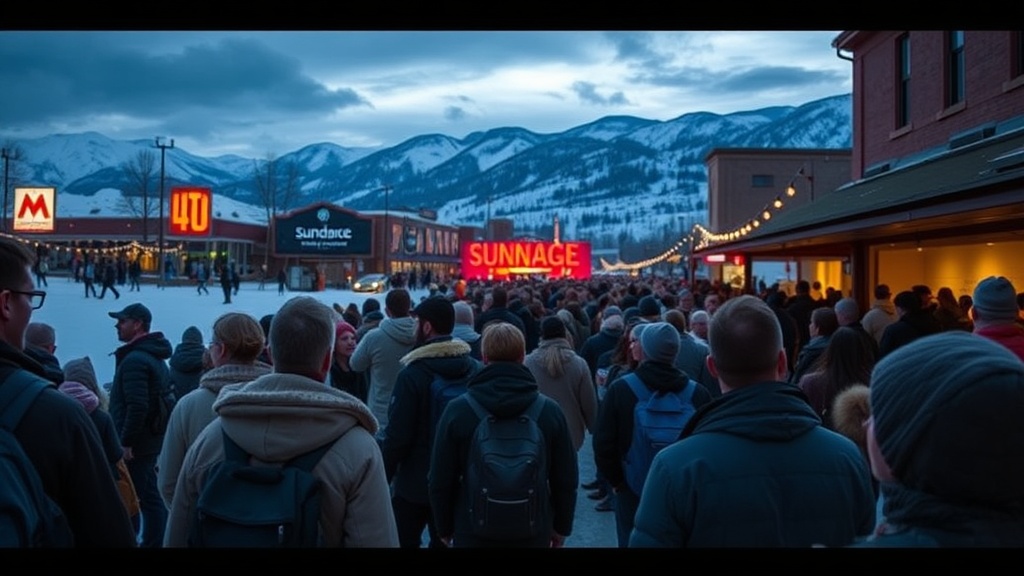
The Sundance Film Festival, a hallmark of independent cinema and a cultural touchstone for filmmakers and cinephiles alike, is set to conclude its historic run in Park City, Utah, after four decades of showcasing groundbreaking films and fostering creative collaborations. The festival, founded by actor Robert Redford in 1981, has played a pivotal role in elevating independent film on a global stage, but this year, attendees find themselves grappling with a palpable sense of loss and uncertainty as the festival prepares for its relocation to Boulder, Colorado, in 2024.
The festival's impact on Park City and the broader Utah community has been monumental. Over the years, it has drawn thousands of visitors, generating an estimated $190 million annually for the local economy. From the influx of filmmakers and celebrities to the bustling streets filled with eager audiences, the Sundance Film Festival has transformed Park City into a vibrant hub of artistic expression each January. Yet, as the festival nears its end in Utah, the mood is bittersweet, marked by reflections on what has been and what could have been.
Janet Jorgensen, the co-publisher of The Park Record and a veteran observer of the festival, shared her thoughts on the festival's evolution in a recent editorial. "This year, the festival feels different, a bit sad, a thin layer of anger and perhaps even regret," she noted, capturing the sentiments echoed by many longtime attendees. Jorgensen reminisced about her early experiences as a college student who navigated the festival’s glamorous parties, a world she felt privileged to enter. However, in recent years, her relationship with the festival has shifted, with her choosing to pass on party invitations in favor of a more subdued approach.
The decision to move the festival from Utah has sparked a wave of speculation among locals and festival-goers. Conversations overheard in ticket lines and newsroom cubicles reveal a mix of feelings, from confusion to disappointment. While official statements from Sundance have cited various logistical challenges and a desire for a new environment, many community members believe the decision stems from a combination of missteps and cultural misalignments that left the festival feeling unwelcome.
In the years leading up to this transition, there were signs that the festival’s relationship with the local community was strained. Issues surrounding the management of festival resources, accessibility for local filmmakers, and a growing disconnect between festival organizers and the Park City populace have all contributed to a feeling of unease. As the festival departs, it leaves behind questions about the future of independent cinema in Utah and what the loss of such a significant event means for local artists and businesses.
As next January approaches, Park City is poised to return to its usual winter rhythm, with ski enthusiasts and vacationers filling the streets. However, the absence of the festival's unique energy will be felt deeply. Local businesses that relied on the influx of festival-goers will have to adapt and find new ways to attract customers in a quieter season. Jorgensen remarked on this economic impact, stating, "We’ll miss having the PIBs in town," referring to the festival attendees who have become a familiar sight during the event.
The move to Boulder, Colorado, holds its own allure for the festival, promising new opportunities and a fresh canvas for artistic expression. Organizers have indicated that Boulder’s vibrant arts scene and accessibility could create a different kind of festival experience, one that might resonate well with the evolving landscape of independent film. However, the transition will not be without its challenges, as the festival will need to establish itself in a new community and win over local supporters.
As Park City bids farewell to the Sundance Film Festival, the legacy of the event remains etched in the memories of those who participated in its transformative journey. From the exhilarating premieres to the candid conversations at panel discussions, the festival has been a catalyst for creativity and community engagement. As Jorgensen poignantly concluded, "RIP Bobby," a nod to the spirit of those who have shaped the festival's identity and to the future of independent cinema that will continue to thrive, albeit in a different setting. The final curtain may fall on this chapter, but the stories born at Sundance will undoubtedly echo in the hearts of filmmakers and audiences for years to come.