Summit County Introduces Hotline for Nightly Rental Issues: A Community Response
Summit County has launched a hotline for residents to report issues with short-term rentals, addressing community concerns and enhancing communication.
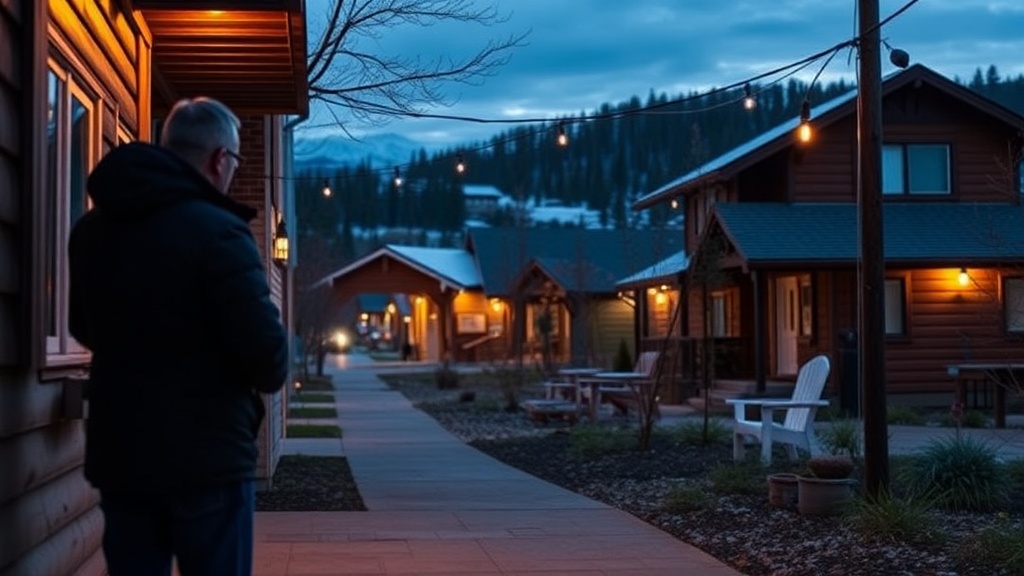
In a proactive measure to address growing concerns regarding short-term rentals, Summit County officials have unveiled a new initiative: the "Nightly Rental Concerns Hotline." This hotline aims to provide residents living in neighborhoods impacted by short-term rental properties a direct line to report issues and seek assistance. The move comes as the county grapples with the rising popularity of platforms like Airbnb and Vrbo, which have transformed many residential areas into hubs for transient visitors, often leading to a host of community challenges.
The hotline was officially launched last week and is designed to operate as a dedicated communication channel for residents who have encountered problems related to nightly rentals. Issues may range from noise disturbances, parking violations, property maintenance concerns, and other disruptions that can arise from the influx of short-term guests. The county's decision to establish this hotline reflects an understanding of the need for a structured response mechanism to handle complaints effectively.
"We want our residents to feel heard and to know that their concerns are taken seriously," said Summit County Council Member Chris Robinson. "With the growing number of nightly rentals, it is vital that we have a system in place that allows community members to voice their concerns and receive timely support. This hotline will serve as an essential tool for both residents and the county in addressing these issues."
The launch of the hotline follows an extensive period of community feedback sessions and discussions among local stakeholders, including homeowners, rental operators, and representatives from the tourism industry. Many residents have expressed frustration over the effects of short-term rentals on their neighborhoods, citing issues such as increased traffic, noise, and a diminished sense of community. The hotline aims to bridge the gap between residents and the county’s regulatory framework, ensuring that complaints are logged and addressed.
Summit County has seen a significant uptick in short-term rental properties over the past few years. According to county data, there are currently over 2,000 registered short-term rentals in the area, with many more operating without proper permits. This increase has prompted local government officials to reevaluate existing regulations and enforcement practices to ensure that the benefits of tourism do not come at the expense of local residents’ quality of life.
In conjunction with the hotline, Summit County is also working on educational initiatives to inform residents about their rights and responsibilities concerning short-term rentals. This includes providing resources on how to file complaints, understanding local zoning laws, and the process for rental permits. Officials believe that by empowering residents with knowledge, the community can better navigate the complexities surrounding short-term rentals.
The hotline will be staffed by county employees trained to handle such concerns, ensuring that all reports are logged accurately and addressed promptly. Residents can call the hotline during business hours or submit concerns online via the county's website. This dual approach is intended to maximize accessibility for residents, particularly those who may not be comfortable making phone calls.
The introduction of the Nightly Rental Concerns Hotline is not without its critics. Some proponents of short-term rentals argue that these properties provide essential income for homeowners and contribute positively to the local economy. They suggest that the county should focus on creating more comprehensive regulations rather than simply addressing complaints. However, county officials maintain that the hotline is a necessary step towards fostering a balanced approach that considers both community needs and economic opportunities.
The county's tourism department is also monitoring the situation closely, working to assess the impact of short-term rentals on the local economy and the broader community. By collecting data on complaints and issues reported through the hotline, officials hope to identify trends and develop informed strategies that address the underlying challenges posed by the rise of nightly rentals.
As Summit County continues to navigate the intricacies of short-term rentals, the launch of the Nightly Rental Concerns Hotline marks a significant step in fostering dialogue between residents and local government. With the aim of creating a harmonious balance between tourism and community integrity, this initiative is expected to play a crucial role in shaping the future of residential neighborhoods impacted by short-term rental activity.
In conclusion, the Nightly Rental Concerns Hotline represents a commitment from Summit County to listen to its residents and take actionable steps towards addressing their concerns. By providing a structured avenue for reporting and resolution, the county is not only enforcing regulations but also reaffirming its dedication to maintaining the quality of life for all its residents amidst the changing landscape of short-term rentals. As the community adapts to these changes, the effectiveness of this hotline will likely be closely scrutinized and could serve as a model for other regions facing similar challenges.