Exploring the Overlooked Quotes of Martin Luther King Jr. This MLK Day
This Martin Luther King Jr. Day, explore lesser-known quotes that reveal his critiques of moderate allies and their impact on the civil rights movement.
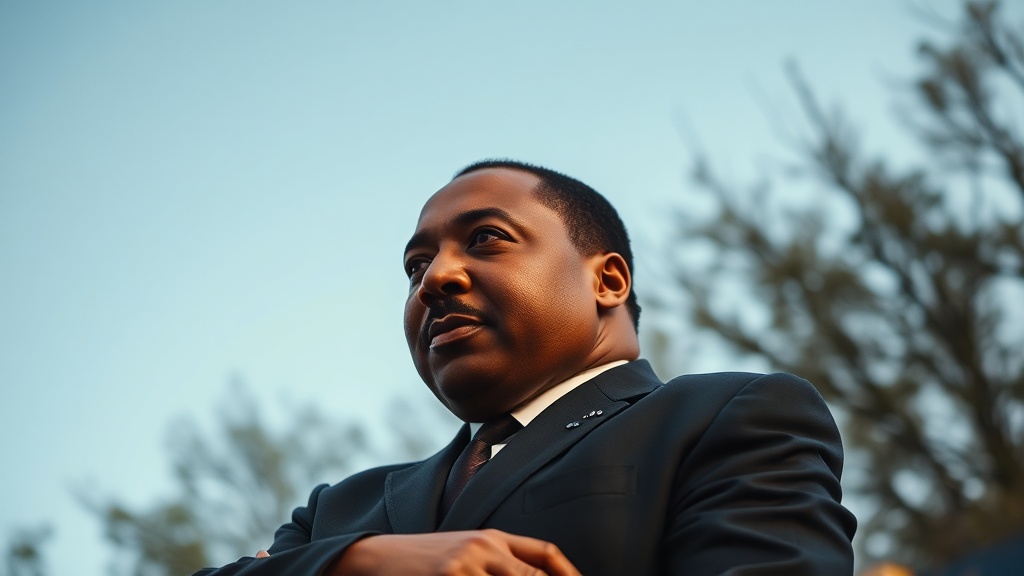
As the nation commemorates Martin Luther King Jr. Day, it is essential to reflect not just on the iconic "I Have a Dream" speech but also on the lesser-known quotes that reveal the complexities of King's thoughts and his feelings on the civil rights movement. Throughout his life, King expressed disappointment and frustration not only with systemic racism but also with moderate allies who he believed were hindering progress.
In one of his lesser-known remarks, King stated, "I have been gravely disappointed with the White Moderate." This powerful quote encapsulates his critique of the complacency that he perceived among certain segments of white America during the civil rights movement. For King, the White Moderate represented a significant obstacle to achieving true equality. He lamented that while they professed support for civil rights, their actions often fell short, favoring order over justice and prioritizing their comfort over the urgent need for change.
Historical context is invaluable when examining King's sentiments. The civil rights movement, particularly in the 1960s, was marked by escalating tensions and violent confrontations. While many Americans rallied behind the movement, King recognized that not all support was genuine or robust. His writings during this period, especially in his iconic "Letter from Birmingham Jail," highlight his frustration with those who advocated for gradual change instead of immediate action. King articulated that waiting for the right moment to address injustices allowed systemic oppression to continue unabated.
As King engaged with various audiences, he frequently addressed the inadequacies of moderate supporters. He argued that their insistence on gradualism and their resistance to disruption maintained the status quo, which he viewed as morally indefensible. King believed that true allies should be willing to confront injustice head-on, even if it meant facing discomfort or backlash.
Beyond the disappointment with moderate white allies, King also articulated profound critiques of economic inequality and militarism. He expanded his focus beyond racial justice, emphasizing the interconnectedness of various forms of oppression. In his later speeches, such as the famous "Beyond Vietnam: A Time to Break Silence," King condemned the Vietnam War and called for a broader understanding of justice that included socioeconomic factors. He believed that civil rights could not be fully realized without addressing the economic disparities that plagued African Americans and other marginalized communities.
This multifaceted approach to activism underscores the importance of recognizing King's work in its entirety. While he is celebrated for his nonviolent resistance and eloquent speeches, the depth of his critiques remains vital to understanding his legacy. King sought not just civil rights but also a radical transformation of society that recognized the dignity of all people.
As we observe this day of remembrance, it is crucial to engage with the lesser-known aspects of King's thoughts and beliefs. Educational institutions, community organizations, and the general public can benefit from exploring quotes and writings that delve into his critiques of moderates and the broader systemic issues he championed. By doing so, we honor his legacy authentically and understand the ongoing struggles for justice and equality that continue today.
In modern times, King's reflections on the White Moderate resonate powerfully. The discourse surrounding social justice movements, including Black Lives Matter, reveals ongoing tensions between those advocating for urgent change and those who suggest more measured approaches. The lessons from King's critiques serve as a mirror, prompting contemporary activists and allies to reflect on their roles in the fight against injustice.
To encapsulate the essence of Martin Luther King Jr.'s message, the call for active engagement and genuine allyship remains relevant. Complacency and passive support are insufficient in the face of systemic oppression. As we reflect on King's life and work, we are reminded that the journey toward equality requires unwavering commitment and courage from all individuals, regardless of their background.
In conclusion, Martin Luther King Jr. Day serves as an opportunity not only to celebrate the achievements of a remarkable leader but also to engage critically with the nuances of his thoughts. The quotes that may not be as widely recognized provide invaluable insights into his vision for justice and equality, urging us to confront our own roles in the ongoing struggle for social change. As we honor his legacy, let us strive to embody King's call for active participation and demand for justice, ensuring that his dream continues to inspire generations to come.