Severe Avalanche Danger in Utah: 4-6 Feet of Snow Poses Life-Threatening Risks
Utah Avalanche Center warns of life-threatening avalanche conditions, urging caution for backcountry adventurers amid heavy snowfall.
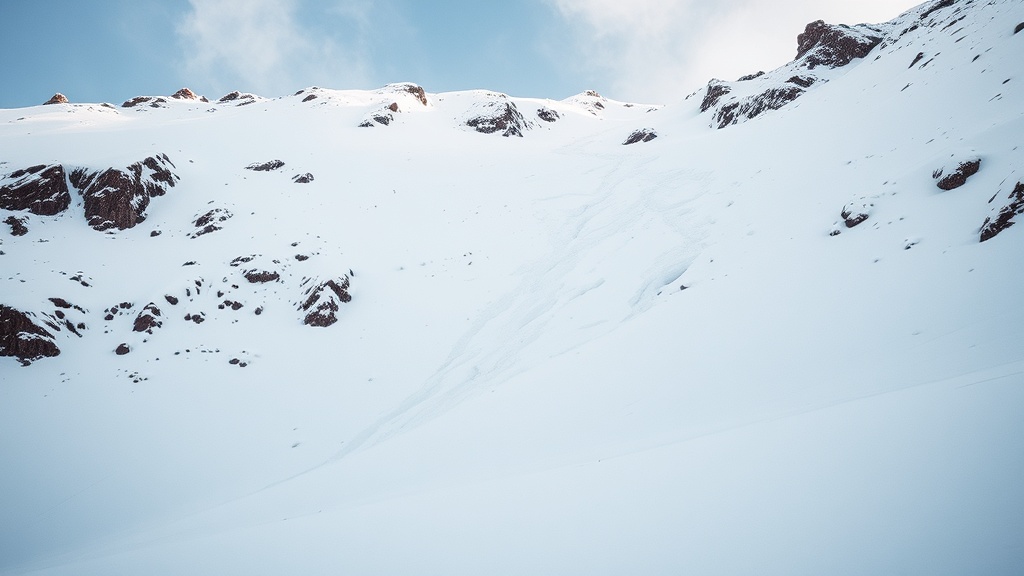
SALT LAKE CITY — The Utah Avalanche Center has issued a stark warning regarding extremely dangerous avalanche conditions across northern Utah and southeastern Idaho mountains, following recent heavy snowfall and strong winds that have raised avalanche danger levels to considerable and high. On Monday, the center alerted outdoor enthusiasts of the critical hazards posed by avalanches, which can be life-threatening for those venturing into the backcountry.
Recent weather patterns have resulted in significant snow accumulation, with reports of avalanches reaching depths of 4 to 6 feet. These massive snow slides are capable of snapping trees and burying anyone caught in their path. The situation was underscored last Friday when two backcountry riders were critically buried in an avalanche in the Brighton backcountry area. Their rescue underscored the urgency of the avalanche warning, as the victims were reportedly trapped beneath several feet of snow for an extended period before being located and extracted.
Current avalanche danger ratings indicate a high level of risk in the Salt Lake area, with considerable danger noted in Logan, Ogden, and the Uintas regions. These ratings reflect the potential for both human-triggered and natural avalanches, posing a serious threat to skiers, snowboarders, and other outdoor adventurers. Forecasters anticipate an increase in the likelihood of human-triggered avalanches, emphasizing that even experienced backcountry users should exercise extreme caution.
The warning encompasses key mountain ranges, including the Wasatch Range, Bear River Range, and western Uinta Mountains. According to the Utah Avalanche Center, “Avalanches are likely to be triggered by anyone traveling on or below slopes steeper than 30 degrees.” Notably, these avalanches can be triggered remotely, meaning individuals can inadvertently cause a slide from a distance or from below the slope.
The center has also highlighted that skiers and snowboarders who venture out of bounds at ski resorts are not exempt from these dangerous conditions. The same risks apply, and the consequences of getting caught in an avalanche can be dire. In light of these warnings, officials are urging backcountry travelers to equip themselves with essential avalanche rescue gear, which includes a beacon, shovel, and probe. It is equally important that users know how to operate this equipment effectively, as every moment counts during a rescue.
Avalanche experts have advised backcountry enthusiasts to avoid steep west-facing, north-facing, and east-facing terrain, particularly at mid and upper elevations, where the risk is highest. The Utah Avalanche Center stresses the importance of traveling with a partner and informing others about planned routes and expected return times. This level of caution is critical for ensuring safety in the unpredictable and rapidly changing conditions of the backcountry.
As outdoor activities ramp up in the winter months, the Utah Avalanche Center continues to provide detailed forecasts and critical safety information. The center encourages individuals to visit their website for the latest updates on avalanche conditions and safety recommendations. Their comprehensive resources can be invaluable for anyone planning to explore the backcountry.
In addition to individual safety, the center's warnings serve as a reminder of the broader implications of winter sports and the importance of being informed about weather conditions and avalanche risks. With the increasing popularity of backcountry skiing and snowboarding, understanding the potential dangers becomes imperative for both experienced adventurers and newcomers to the sport.
As winter continues and snowfall persists, it is crucial for outdoor enthusiasts to prioritize safety and awareness. Avalanches remain a significant risk in the mountainous regions of Utah, and by adhering to safety guidelines and staying informed, individuals can better protect themselves and their companions while enjoying the beauty and thrill of the backcountry.
For more detailed forecasts and safety information, individuals are encouraged to visit the Utah Avalanche Center’s official website at utahavalanchecenter.org. By remaining vigilant and prepared, outdoor adventurers can help mitigate the risks associated with these life-threatening conditions.