Salt Lake City Named a Top Housing Hot Spot for 2026: What to Expect
Salt Lake City has been ranked as a top housing hot spot for 2026, raising questions about its future as a housing destination.
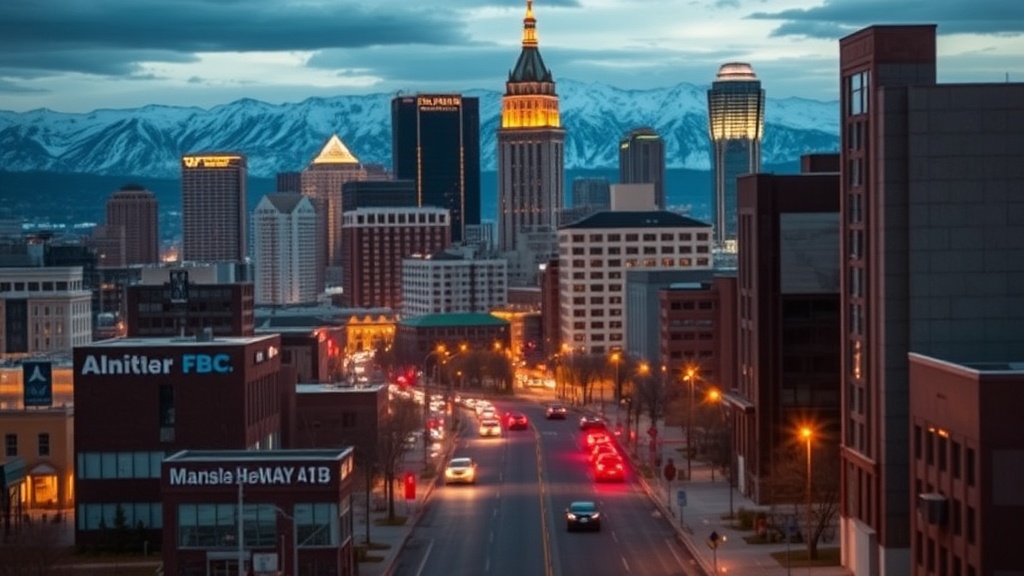
As the housing market continues to evolve, Salt Lake City has emerged as one of the nation’s most promising real estate destinations. According to a recent report from the National Association of Realtors (NAR), the capital of Utah is ranked among the top ten "Housing Hot Spots" for 2026. This designation raises important questions about the city’s future as a viable option for homebuyers and investors alike.
The NAR’s report highlights various factors contributing to Salt Lake City's appeal, including its robust job market, stunning natural scenery, and a growing population. With a current population exceeding 199,000, the city has seen an influx of residents drawn by its diverse economic opportunities and quality of life. The tech sector, in particular, has seen significant growth, with major companies setting up shop in the area. For instance, tech giants like Adobe and Microsoft have established substantial operations in the Salt Lake Valley, further bolstering the local economy.
Local real estate experts emphasize that while Salt Lake City’s ranking as a housing hot spot is promising, the market is not without its challenges. "The demand for homes has outpaced supply for several years now, leading to rising prices and a competitive market," says Sarah Johnson, a local realtor with over a decade of experience in the Salt Lake area. According to the Utah Association of Realtors, the median home price in Salt Lake City has surged by 15% over the past year alone, reaching approximately $550,000. This surge can be attributed to a combination of factors, including low mortgage rates, a shortage of available homes, and an ever-increasing population.
Furthermore, the NAR’s report indicates that Salt Lake City is benefiting from a broader national trend where remote work has allowed individuals to relocate to areas with lower living costs and a higher quality of life. As companies continue to embrace flexible work arrangements, areas like Salt Lake City are becoming increasingly attractive. The city's proximity to outdoor recreational activities, such as skiing, hiking, and biking, adds to its allure for new residents seeking an active lifestyle.
However, the rising popularity of Salt Lake City as a housing destination also raises concerns about affordability and sustainability. Many residents worry about the implications of rapid growth on infrastructure and public services. The city’s leadership is aware of these challenges and has initiated plans to address them. Mayor Erin Mendenhall has emphasized the need for strategic development that balances growth with community needs. "We want to ensure that as we grow, we maintain the character and livability that make Salt Lake City special," Mendenhall stated in a recent press conference.
In response to the housing crisis, the city has begun implementing policies aimed at increasing the housing supply. Initiatives include easing zoning regulations to allow for more multi-family housing units and incentivizing developers to create affordable housing options. These efforts are critical, as they aim to provide housing solutions for a diverse population, including families, young professionals, and retirees.
Additionally, the city's ongoing investment in public transportation is expected to ease traffic congestion and make commuting more manageable for residents. Improved access to public transit can make living in the suburbs more appealing while still allowing residents to work in the city center. This balance is crucial in maintaining the quality of life that has attracted so many to Salt Lake City.
Looking ahead, many real estate analysts predict that Salt Lake City will remain a hot spot for buyers and investors well into the coming years. With its unique blend of economic opportunity, natural beauty, and community focus, the city is poised for continued growth. However, stakeholders must remain vigilant in addressing the challenges that accompany such rapid development to ensure that all residents can benefit from the city’s success.
In conclusion, while Salt Lake City has earned its place among the top housing hot spots for 2026, the real estate landscape will require careful navigation. As both buyers and sellers prepare for a dynamic market, understanding the underlying trends and challenges will be essential for anyone looking to make a move in this vibrant city. The coming years will undoubtedly shape the future of Salt Lake City, and its ability to adapt to change will determine its success as a sought-after residential destination.