Salt Lake City Launches Nationwide Search for New Public Art to Replace Murals
Salt Lake City seeks artists for new public art after removing 29 social justice murals, aiming to reflect community values.
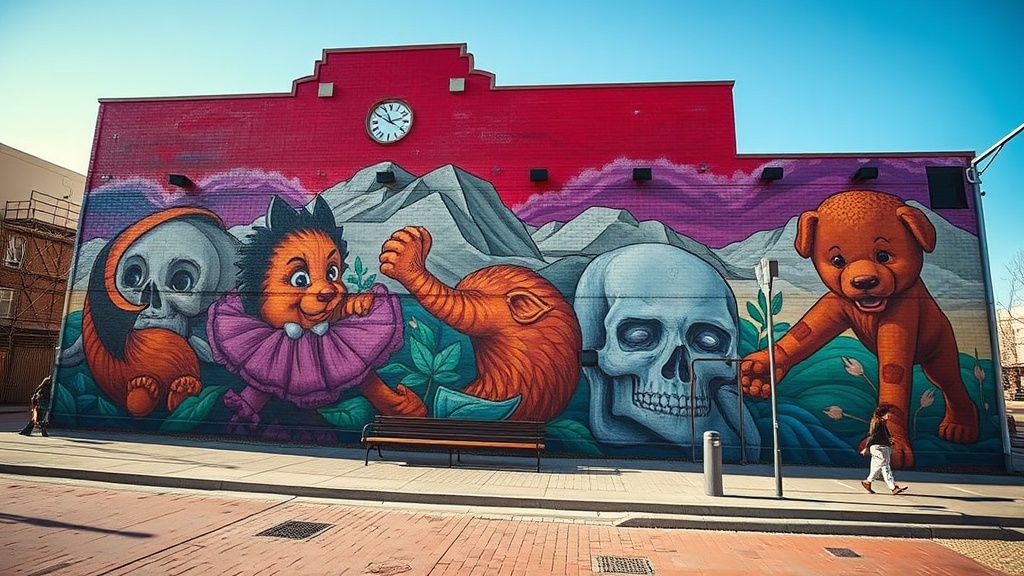
Salt Lake City is embarking on a nationwide search for artists to contribute to a significant new public art project as part of its Fleet Block initiative. This decision follows the controversial removal of 29 murals last year, which had been painted in response to social justice movements. City officials are eager to ensure that the new artwork reflects the vibrant spirit of the community and echoes the themes of equity and justice that the previous murals represented.
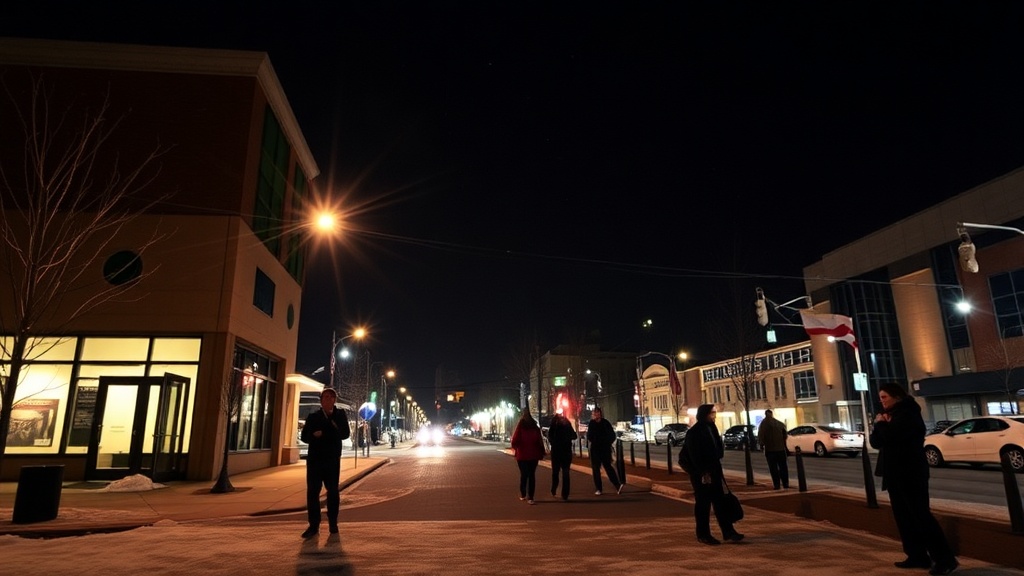
The Fleet Block project, located in the heart of downtown Salt Lake City, has been a focal point for urban development and revitalization. It encompasses a diverse array of spaces, including art installations, park areas, and pedestrian walkways. With the city’s commitment to enhancing public spaces, officials believe that the new art initiative can foster community engagement and inspire dialogue around important social issues.
“Public art is a reflection of our values as a community,” said Mayor Erin Mendenhall in a recent press conference. “As we move forward, we want to ensure that the new installations resonate with the community and honor the voices that were expressed in the murals we lost.” The murals, which adorned buildings in various neighborhoods, had become symbols of the local response to national conversations about race, equality, and justice. Their removal last year sparked protests and discussions about the role of art in expressing social and political sentiments.
The city has issued a call for artists to submit proposals for the new public art pieces, inviting individuals and teams from across the country to participate in this creative endeavor. The selected artists will work closely with city officials and community members to ensure that their artwork embodies the essence of the values that the previous murals represented. The project aims to create a welcoming environment that reflects the diverse voices of Salt Lake City’s residents.
In the wake of the murals’ removal, discussions around public art have intensified, with many community members advocating for a more inclusive approach to artistic representation in public spaces. “Art has the power to unite us and challenge us,” said local artist Maria Gonzalez, who has been vocal about the need for public art that speaks to the lived experiences of marginalized communities. “This is an opportunity for the city to listen to artists and community members alike.”
The Fleet Block project is not just about aesthetics; it is also an effort to stimulate local economic growth. With new art installations, city officials anticipate increased foot traffic and interest in the area, benefiting local businesses and enhancing the overall vibrancy of downtown. The project is part of a larger initiative aimed at transforming public spaces into dynamic environments that encourage social interactions and cultural exchanges.
As part of the selection process, the city has outlined specific criteria that submissions must meet. Artists are encouraged to consider the historical context of the area, the themes of social justice and equity, and the potential for community engagement in their proposals. The city hopes that this collaborative approach will yield artwork that not only beautifies the urban landscape but also serves as a platform for ongoing conversations about social issues.
Public feedback will play a crucial role in determining which proposals move forward. The city has planned a series of community workshops and forums to gather input from residents, ensuring that the final selections truly represent the diverse perspectives of Salt Lake City’s population. This commitment to community engagement is viewed as a pivotal step in rebuilding trust and fostering a sense of ownership among residents regarding public art initiatives.
As the search for artists continues, Mayor Mendenhall expressed optimism about the project’s potential impact. “We are looking for artists who are not just creators but storytellers,” she remarked. “We want to invite them to tell our community’s story through their art, to reflect who we are and who we aspire to be.”
The Fleet Block art project is scheduled to launch next spring, with the city aiming to unveil the new installations by the summer of 2024. As Salt Lake City moves forward with this initiative, it is clear that the new artwork will not only serve as a visual representation of the community’s values but also as a testament to the ongoing journey towards equity and inclusion in public spaces. The city’s efforts to engage artists and residents alike mark a significant step towards healing and revitalization in the aftermath of the murals’ removal, setting the stage for a more inclusive future in public art.