Kanab Film Festival Ends After Financial Challenges Affect Community
The Kanab Film Festival has closed due to financial struggles, impacting the local arts community in Southern Utah.
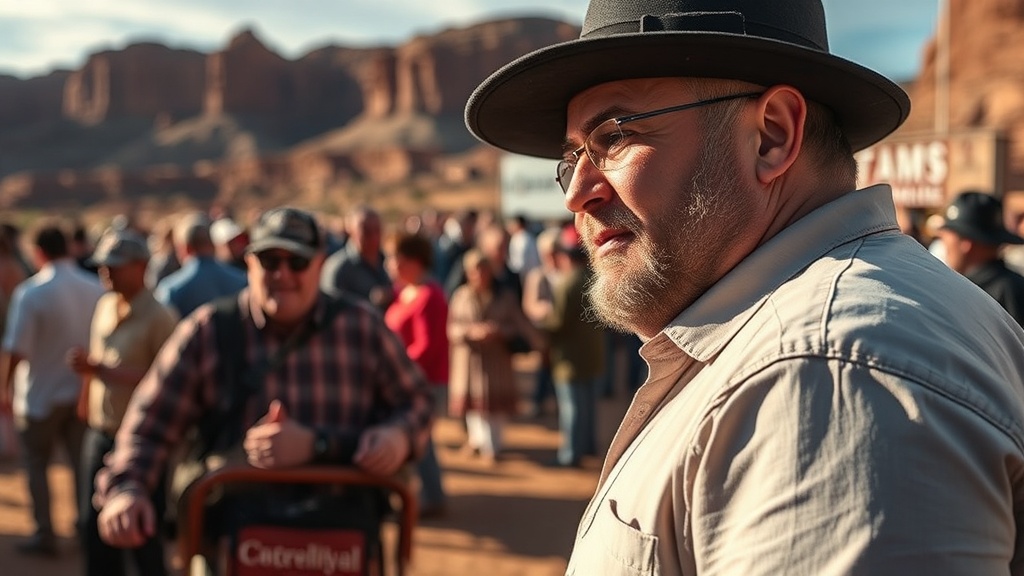
The Kanab Film Festival, a cherished cultural event in Southern Utah that has showcased the works of independent filmmakers from around the globe since its inception in 2019, has announced its closure due to ongoing financial struggles. This decision marks a significant shift for the local arts scene, which has relied on the festival to enhance its visibility and attract tourism while providing a platform for emerging filmmakers.
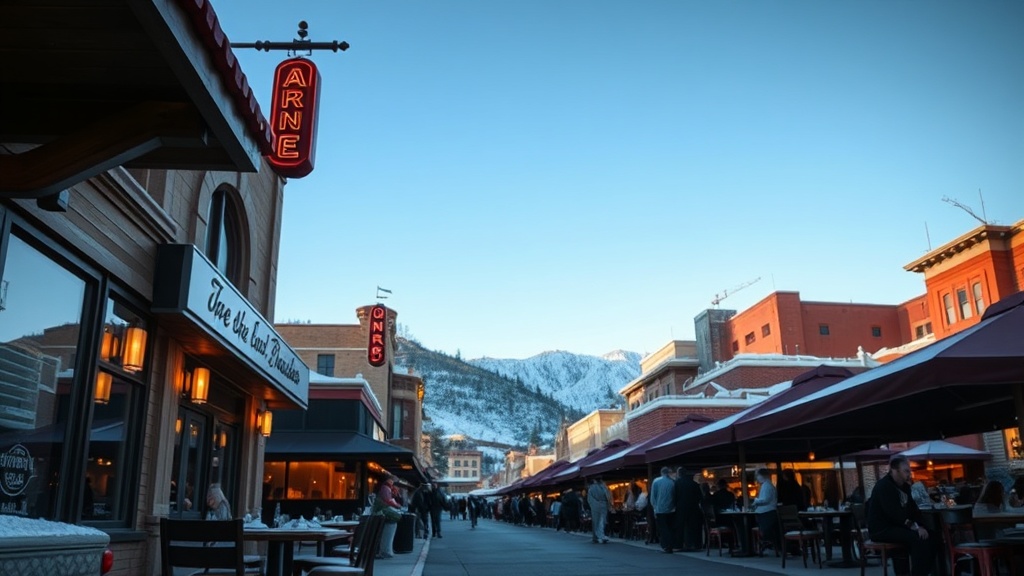
The festival, which was organized to celebrate and promote independent cinema, had become a staple in the community, drawing filmmakers, actors, and movie enthusiasts to the picturesque town of Kanab each year. Known for its stunning landscapes that have served as backdrops for numerous films, Kanab's local economy saw a boost during the festival. However, the financial pressures exacerbated by the COVID-19 pandemic and changing industry dynamics have forced organizers to make the difficult decision to discontinue the event.
Local filmmaker and festival co-founder, Sarah Thompson, expressed her disappointment in a statement, saying, "It is heartbreaking to see something we worked so hard to build come to an end. The Kanab Film Festival was not just about showcasing films; it was about creating a community and supporting artists in a region that desperately needed it."
The festival began with high hopes, aiming to provide a platform for filmmakers who often struggle to gain recognition in a saturated market dominated by major studios. Each year, it featured a diverse lineup of films, including documentaries, short films, and feature-length productions, many of which tackled pressing social issues and offered fresh perspectives. Additionally, workshops and panels facilitated discussions on filmmaking techniques and industry trends, further enriching the experience for attendees.
In its short history, the festival managed to attract a loyal audience, with attendance numbers steadily increasing each year. The 2021 edition saw a record turnout, with over 2,000 attendees participating in screenings and events. However, the festival faced significant challenges in 2022 as the lingering effects of the pandemic impacted sponsorship, ticket sales, and overall community engagement.
Organizers attempted various strategies to keep the festival afloat, including seeking additional funding, increasing marketing efforts, and expanding partnerships with local businesses. Despite these efforts, the financial burden proved too great, leading to the decision to cease operations. According to local business owner Mark Reynolds, the festival's cancellation will have far-reaching consequences for the community. "The festival brought in a lot of people to our town, and when we lose events like this, we lose a part of our identity and economic vitality," he noted.
The impact of the festival extended beyond just the immediate economic benefits. It fostered a sense of pride among residents and provided young filmmakers with the opportunity to network and share their work. Many local students were inspired to pursue careers in film and media because of the exposure and opportunities the festival provided.
As the news of the festival's closure spread, a wave of sadness washed over the community. Social media platforms lit up with tributes from filmmakers and attendees who reminisced about their experiences at the festival. Many expressed hope that the spirit of the Kanab Film Festival could live on in some form, whether through smaller events or collaborations aimed at supporting independent cinema in the region.
Looking ahead, the future of the arts in Kanab remains uncertain. While the festival is officially closing its doors, discussions are already underway about potential alternatives or new initiatives that could fill the void left by the festival. Some community leaders are advocating for the establishment of a year-round arts program that could engage residents and visitors alike, ensuring that Kanab continues to be a hub for creativity and cultural exchange.
In conclusion, the Kanab Film Festival's shutdown serves as a poignant reminder of the challenges faced by arts organizations in the current economic climate. As communities grapple with the aftermath of the pandemic, the loss of such events highlights the need for continued support and investment in the arts. While the festival may no longer take place, its legacy will undoubtedly remain in the hearts of those who participated, shaping the future of the arts in Kanab for years to come.