Revolutionizing Housing: The Rise of Factory-Built Homes in Utah
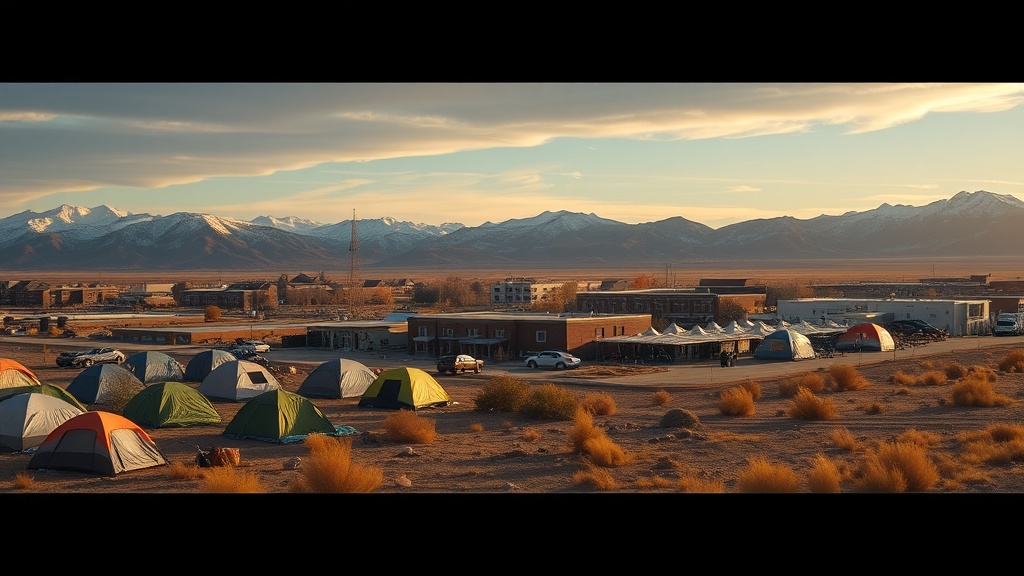
Factory-built homes are emerging as a solution to Utah's housing crisis, promising faster, cheaper, and sustainable options for residents.
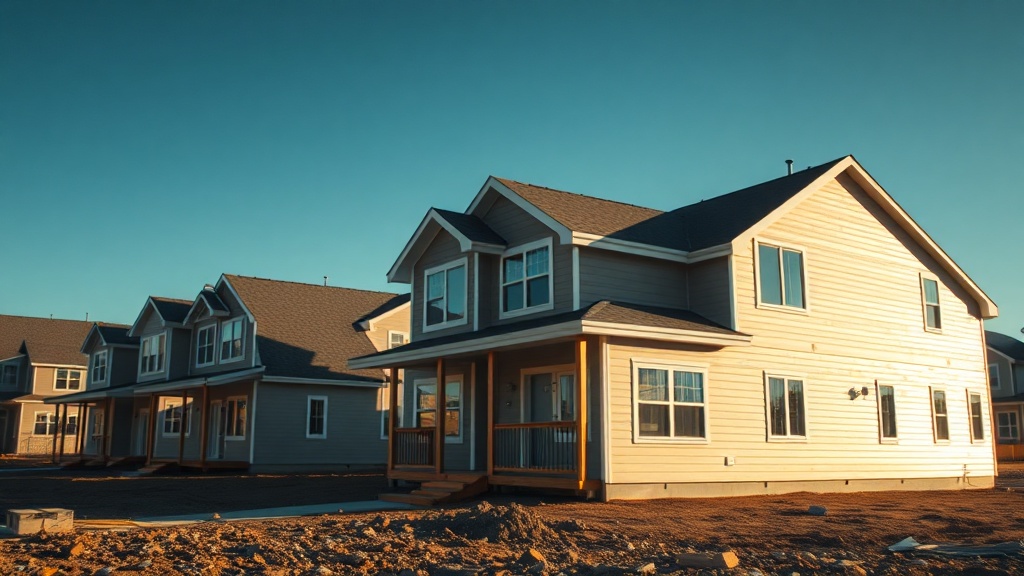
As housing prices continue to soar and demand outpaces supply across Utah, innovative solutions are emerging to tackle the ongoing housing crisis. One such solution lies in the burgeoning industry of factory-built homes, which promise to be faster, cheaper, and more efficient than traditional construction methods. In a significant development, Guerdon, a leading manufacturer of modular construction, is spearheading this movement from its 135,000-square-foot factory situated near the Boise Airport.
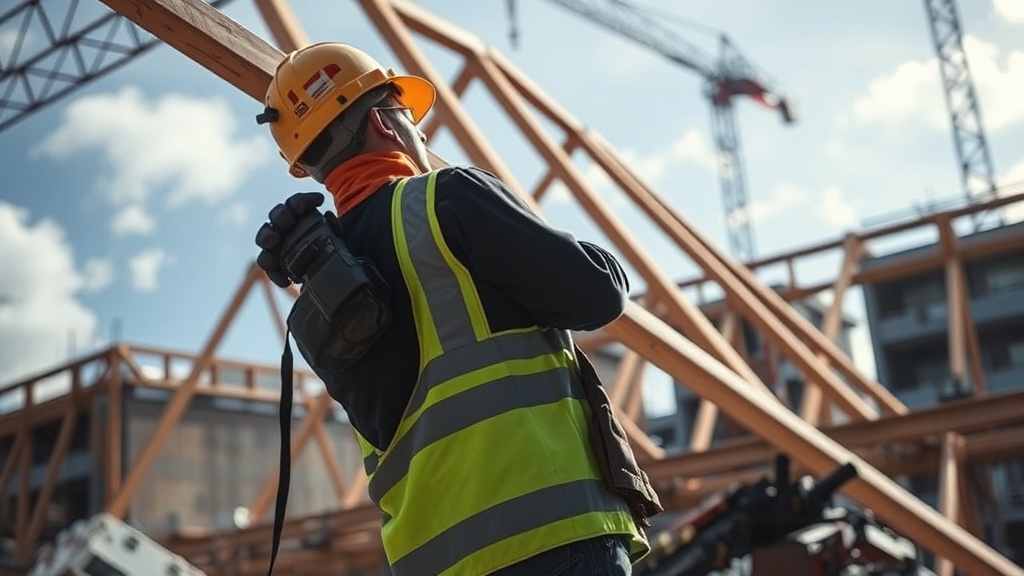
At this facility, workers are currently engaged in the assembly of modular units destined for various housing projects, including a large apartment complex in Los Angeles. This production method allows for the simultaneous construction of multiple units in a controlled environment, minimizing delays caused by weather conditions and labor shortages that often plague traditional building sites. According to Guerdon's CEO, “By utilizing factory-built methods, we can produce housing at a fraction of the time and cost compared to conventional construction.”
Factory-built homes, also known as modular or prefabricated homes, are constructed in sections or modules, which are then transported to the final site for assembly. This method not only accelerates the building process, reducing the time from groundbreaking to occupancy, but also significantly cuts down on waste. In Utah, where the demand for affordable housing is reaching critical levels, this approach presents a viable solution. The state has been grappling with a housing shortage that has driven prices up by nearly 30% over the past year alone, according to the Utah Association of Realtors.
A recent report highlighted that Utah is short approximately 50,000 housing units to meet the needs of its growing population. As cities like Salt Lake City and Provo continue to expand, the pressure on housing availability intensifies, leading to increased competition among buyers and renters. This scenario has created a dire need for more affordable housing options, and factory-built homes could play a pivotal role in alleviating this crisis.
The advantages of factory-built homes extend beyond just speed and cost. These homes are often designed with sustainability in mind, utilizing energy-efficient materials and construction practices that not only reduce the ecological footprint but also lower utility bills for residents. Many factory-built homes are equipped with modern amenities, ensuring that they meet the expectations of today’s buyers.
Local governments in Utah are beginning to recognize the potential impact of factory-built homes on the housing market. In a recent meeting, the Salt Lake City Council discussed possible incentives for developers who choose to utilize modular construction methods. “We need to explore every avenue available to us in order to address this housing crisis,” said council member Amy Fowler. “Factory-built homes represent a promising opportunity to provide affordable options without compromising quality.”
Despite the many benefits, the factory-built housing industry is not without its challenges. One significant hurdle is the perception among potential homeowners and real estate agents that modular homes are of lower quality than traditionally built homes. However, industry experts argue that advancements in technology and manufacturing processes have greatly improved the quality and durability of factory-built units. “The stigma surrounding modular homes is slowly fading,” noted Guerdon’s CEO. “As more people become aware of the benefits and quality of these homes, we expect demand to grow.”
In addition to changing perceptions, the factory-built housing sector must navigate zoning regulations and building codes that vary from city to city. Many municipalities are still catching up to the innovations in construction technology, often leading to bureaucratic delays that can hinder the delivery of factory-built homes. Advocates for modular construction are pushing for more streamlined regulations to facilitate the incorporation of these homes into local housing markets.
As Utah faces an unprecedented housing crisis, the rise of factory-built homes marks a significant step towards finding a solution. With the potential to reduce construction times, lower costs, and provide sustainable living options, this innovative approach could reshape the future of housing in the state. The success of companies like Guerdon and the increasing acceptance of modular homes could provide the necessary momentum to address the housing shortages and create a more accessible market for residents. As the demand for affordable housing continues to grow, the time for factory-built homes may be now, offering a glimmer of hope in an otherwise challenging landscape.