Rep. Blake Moore Advocates for Streamlined Federal Budget Approval Process
Rep. Blake Moore calls for a streamlined federal budget process to tackle the national deficit and restore accountability in Congress.
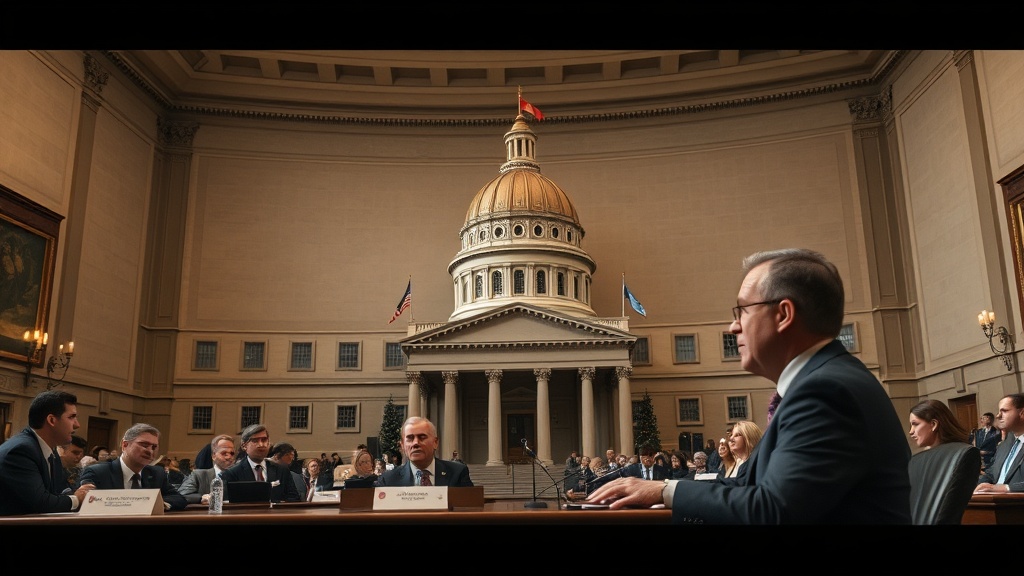
In a bold move to address the growing national deficit, Utah Representative Blake Moore is calling for a more efficient approach to how Congress manages federal spending. During a recent press conference, Moore emphasized the need for lawmakers to 'grow up' and take responsibility by approving the entire federal budget each year, rather than relying on temporary spending measures that often lead to uncertainty and fiscal irresponsibility.
Moore's proposal comes at a time when the national debt has reached alarming levels, surpassing $31 trillion. The congressman believes that a more structured process for budget approval could not only help mitigate the deficit but also restore public confidence in Congress's ability to govern effectively. He argues that the current system of piecemeal appropriations and continuing resolutions has led to a lack of accountability and transparency in federal spending.
"We need to establish a framework where the budget is not just a suggestion but a commitment that Congress must meet each year," Moore stated. He is advocating for a mandatory deadline for budget approval that would compel lawmakers to engage in timely discussions and negotiations to reach consensus. Currently, many members of Congress find themselves in a cycle of last-minute deals and temporary funding bills that leave critical programs underfunded or at risk of shutdown.
The congressman’s proposal is rooted in a desire to create a more predictable fiscal environment. He believes that a well-defined budget process would facilitate better planning for federal agencies and, ultimately, for the industries and communities that depend on federal funding. By ensuring that budgets are passed on time, Moore argues, Congress can foster an environment that encourages investment and economic growth.
Moore’s approach has garnered attention not only in Utah but also across the nation, as lawmakers from both parties grapple with the implications of an ever-increasing national debt. The bipartisan nature of this concern provides a unique opportunity for collaboration, and Moore is hopeful that his proposal could lead to discussions that bridge party lines.
Critics of the current budget process have long pointed out that temporary measures often result in a lack of thorough examination of federal expenditures. This leads to inefficiencies and waste, as funds are allocated without a comprehensive understanding of their impact. By shifting to a system that necessitates a full budget review every year, Moore believes Congress can better prioritize spending and eliminate unnecessary programs that no longer serve the public interest.
Moreover, Moore's vision aligns with broader fiscal responsibility goals advocated by various think tanks and fiscal policy organizations. Many experts support the idea that a structured budget approval process is essential for ensuring that government spending aligns with national priorities and that taxpayers' money is used wisely.
In addition to setting a firm budget approval deadline, Moore is also advocating for reforms that would enhance transparency and accountability in federal spending. This includes proposals to improve reporting requirements for federal agencies, ensuring that taxpayers have access to information about how their money is being spent and the outcomes of various programs.
As the budget process heads into the next fiscal cycle, Moore has expressed his commitment to working with colleagues on both sides of the aisle to push for meaningful reform. He plans to hold town hall meetings across Utah to gather feedback from constituents on their concerns about federal spending and the national debt. Engaging the public in this dialogue is a crucial part of his strategy to build support for his proposals.
The implications of Moore's initiative extend beyond mere budgetary concerns. A more disciplined approach to federal spending could also influence the broader economy, potentially leading to lower interest rates and a more stable financial environment.
While the path to comprehensive budget reform may be fraught with challenges, Moore remains optimistic. "At the end of the day, we owe it to our constituents to be responsible stewards of their money," he said. The coming months will be critical as Congress navigates the complexities of federal budgeting, and Moore's proposals may pave the way for a more responsible fiscal future.
In conclusion, Rep. Blake Moore’s call for Congress to 'grow up' and adopt a more rigorous budget approval process reflects a growing frustration with the status quo. By advocating for mandatory deadlines and increased accountability, Moore seeks to not only address the national deficit but also restore faith in the legislative process. As discussions unfold, the focus will be on whether Congress can rise to the occasion and enact meaningful change in how it handles federal spending.