Record Holiday Spending Defies Consumer Pessimism Amid Economic Challenges
Despite economic concerns, holiday spending hit record levels, revealing consumer resilience and shifting priorities in 2025.
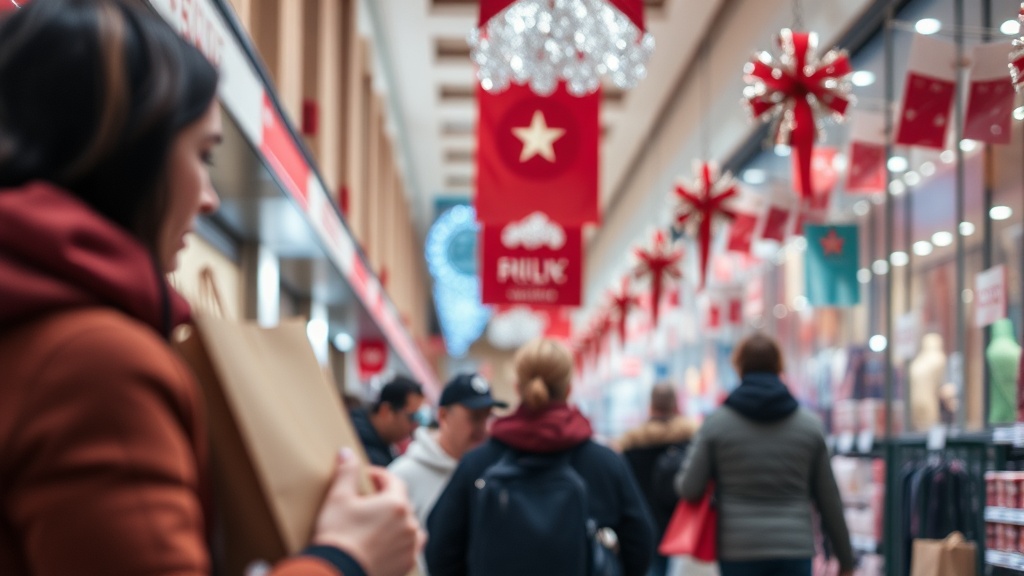
As the 2025 winter holiday shopping season approached, many consumers expressed deep concerns about their financial well-being, yet paradoxically, spending surged to unprecedented levels. According to recent surveys, a substantial majority of Americans reported that the ongoing challenges of inflation and rising housing costs would necessitate tighter budgets. However, when the holiday shopping season commenced, the reality was quite different, with retailers experiencing record sales.
The National Retail Federation (NRF) projected that holiday sales would increase by 5% to 10% compared to the previous year, despite the bleak economic outlook. This forecast was bolstered by a significant uptick in consumer confidence just before the holiday season, indicating that many shoppers were willing to set aside their financial worries to celebrate with family and friends.
"While many Americans are indeed feeling the pinch from inflation, it seems that the desire to maintain traditions and create memorable experiences during the holidays is prompting them to spend more than anticipated," said Matthew Shay, president and CEO of the NRF. "Consumers are reallocating their budgets, prioritizing gifts and experiences that enhance their holiday celebrations, even amidst financial concerns."
Consumer spending patterns during this holiday season reflected a shift in priorities. Many shoppers were observed seeking value, opting for deals and discounts rather than foregoing holiday traditions. Retailers, well aware of this trend, responded by extending promotions and enhancing their marketing strategies to attract customers. E-commerce platforms saw a significant uptick in traffic, as online shopping became the preferred method for many consumers looking to avoid crowded stores while still taking advantage of holiday deals.
Data from Mastercard SpendingPulse indicated that retail sales during the holiday season exceeded $1 trillion for the first time, marking a historic milestone in consumer spending. Categories such as electronics, home goods, and apparel saw significant growth, with many retailers reporting sales increases of over 15% in these sectors. This surge was particularly notable during Black Friday and Cyber Monday, which set records for online sales as consumers took advantage of deep discounts.
However, the landscape of holiday shopping was not uniform across all demographics. Low-income households felt the weight of rising costs more acutely, leading to a more cautious approach to spending. Many families reported prioritizing essentials over luxury items. A study by the Pew Research Center indicated that over 60% of lower-income respondents planned to cut back on holiday spending due to inflationary pressures, highlighting a stark contrast in consumer behavior across different income levels.
The implications of this spending surge extend beyond individual retailers. Economists note that increased consumer spending is a critical driver of economic growth. "Consumer spending accounts for about two-thirds of the U.S. GDP, so a strong holiday season can provide a much-needed boost to the economy as we head into 2025," said Dr. Susan Smith, an economist at the University of Utah. "However, the underlying issues of inflation and housing costs need to be addressed to ensure that this growth is sustainable in the long term."
As consumers continue to navigate their financial landscape, many are looking for innovative ways to manage their budgets while still enjoying the holidays. Financial experts recommend setting clear spending limits, utilizing budgeting apps, and taking advantage of cash-back offers to maximize savings during the shopping season.
In addition, community-based initiatives are emerging to support families in need during the holiday season. Local charities and organizations are ramping up efforts to provide assistance, including food drives and holiday gift programs, aiming to alleviate some of the financial burden for low-income families.
With the holiday season now behind us, analysts will be closely monitoring the economic consequences of this unexpected spending spree. As 2025 unfolds, the challenge will be to maintain this momentum without exacerbating the existing economic difficulties. Whether this surge in spending marks a turning point for the economy or merely a temporary reprieve from financial pressures remains to be seen.
In conclusion, while consumer pessimism loomed large at the onset of the holiday season, the record-breaking spending observed during this period suggests a complex relationship between economic challenges and consumer behavior. As Americans continue to adapt to their financial realities, the resilience demonstrated during the holiday season may serve as a beacon of hope for future economic stability.