Expanding Affordable Housing in Washington County: The Need for Entry-Level Homes
In Washington County, affordable housing is becoming increasingly scarce, impacting working families and the local economy.
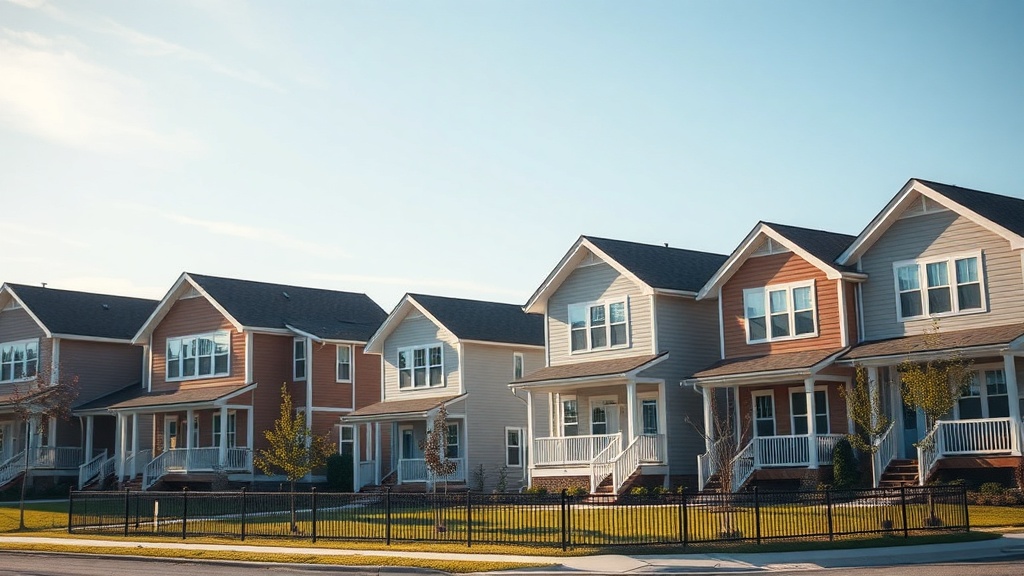
In Washington County, Utah, the dream of homeownership is slipping away from many working families and individuals, who once viewed it as a fundamental step towards stability and community engagement. Over recent years, the housing market has evolved in ways that have made it increasingly difficult for these residents to find affordable housing options. The need for simple, entry-level homes has never been more urgent, as local advocates and community leaders work to address the challenges that have arisen in the wake of rising home prices and stagnant wages.
For decades, owning a home has been synonymous with achieving the American dream. It is often seen as a pathway to financial security, stability, and an opportunity to build a future. However, this vision is becoming increasingly elusive for many in Washington County. According to data from the U.S. Census Bureau, the median home price in the county has surged by over 30% in the last five years, far outpacing wage growth in the area. As a result, many families find themselves priced out of the housing market, with the prospect of homeownership feeling like a distant dream.
One major factor contributing to this crisis is the shift in new home construction trends. Builders are increasingly focusing on higher-end properties that yield larger profits, leaving a significant gap in the market for affordable entry-level homes. This trend is reflected in recent reports from the National Association of Home Builders, which indicate a significant decline in the construction of homes priced under $300,000. As developers chase higher margins, the supply of affordable housing continues to dwindle, exacerbating the situation for those who need it most.
Local community leader Jennifer Smith, who has been advocating for affordable housing initiatives in the region, emphasizes the urgent need for change. “We need to start building homes that working families can actually afford,” she stated during a recent town hall meeting. “It’s not just about the number of houses; it’s about the type of homes we’re building and who they’re being built for.” Smith’s comments reflect a growing concern among residents who feel that the current housing market does not cater to their needs.
The implications of this housing crisis extend beyond individual families. As home prices continue to rise, local businesses may struggle to attract and retain employees who can afford to live in the area. The lack of affordable housing can lead to a workforce that is less stable, impacting everything from education to public safety. In turn, this could lead to a decline in community engagement and cohesion, as working families are forced to seek housing options further away from their jobs and schools.
Efforts to address the affordable housing crisis in Washington County have gained momentum in recent months. Local government officials are considering various strategies to incentivize the development of entry-level homes. These strategies may include offering tax breaks to builders who focus on affordable housing projects or easing zoning restrictions to allow for the construction of smaller, more affordable units.
Moreover, the role of non-profit organizations cannot be overlooked. Several local groups are actively working to raise awareness about the importance of affordable housing and to partner with developers to create projects that meet the needs of lower-income families. For instance, the Washington County Housing Coalition has launched initiatives aimed at educating the public about the benefits of diverse housing options and advocating for policy changes that prioritize affordability.
Despite these efforts, challenges remain. Many residents express skepticism about the pace of change, fearing that the solutions proposed may not be implemented quickly enough to address the immediate crisis. “We need action, not just promises,” said local resident Maria Gonzales, who has been searching for affordable housing for over a year. “It feels like we’re running out of time.”
As Washington County grapples with the complexities of its housing market, the emphasis on building affordable, entry-level homes has emerged as a critical component of any long-term solution. It is clear that the future of homeownership for many working families depends on the community’s ability to adapt and innovate in the face of this pressing challenge. The path forward will require collaboration among government, developers, and community members to create a housing landscape that is inclusive and accessible for all.
In conclusion, the expansion of affordable housing in Washington County is not just a matter of building more homes; it is about creating a sustainable community where families can thrive. By focusing on entry-level homes, local leaders and advocates hope to restore the promise of homeownership as a viable option for working families, ultimately fostering a more stable and engaged community. The time for action is now, and the stakes could not be higher for the future of Washington County’s residents.