Park City in 2025: A Year of Change, Conflict, and Community Resilience
In 2025, Park City faced significant labor unrest, corporate governance issues, and development battles, reflecting its evolving community identity.
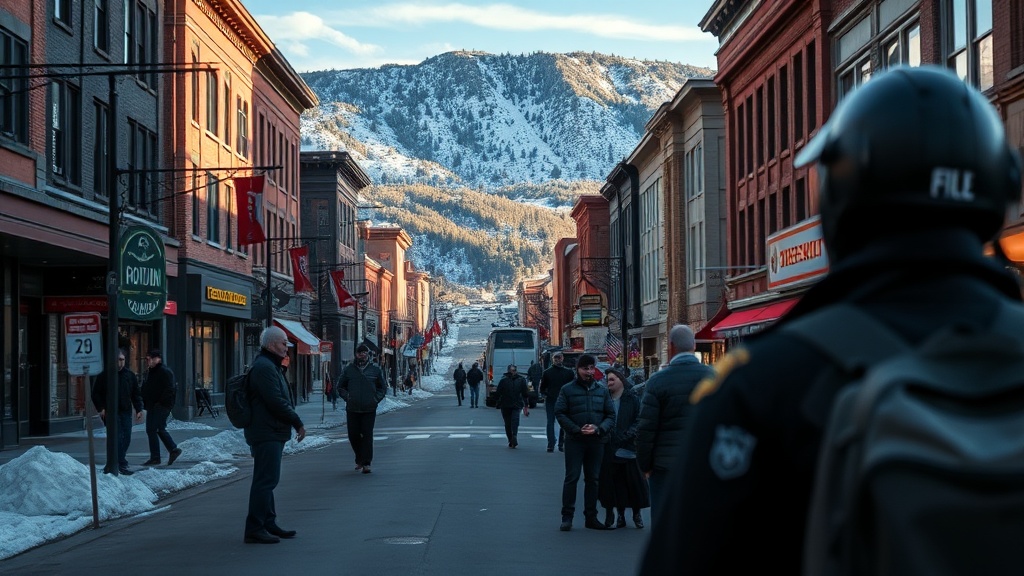
PARK CITY, Utah — The year 2025 was a transformative one for Park City, marked by a series of significant events that showcased the town's ongoing struggles with growth, governance, and community identity. From labor unrest at local ski resorts to contentious development projects, the town remained a focal point of power dynamics, public policy, and community engagement. The stories that emerged from Park City this year reflect a community wrestling with the complexities of modern living in a rapidly changing landscape.
One of the most pressing issues this year was the labor unrest at Park City Mountain, particularly highlighted during the ski patrol strike, which resulted in the lowest open terrain in seven years. Data revealed that only 40% of the mountain was operational, a striking contrast to previous seasons. The ski patrol's demands for better working conditions and fair contracts resonated with both locals and visitors, emphasizing the interconnectedness of labor disputes and the overall guest experience. As the strike unfolded, it became clear that these labor tensions were not merely isolated incidents but rather part of a broader narrative about worker rights in an industry heavily reliant on seasonal labor.
In the realm of corporate governance, Vail Resorts' implementation of a zero-tolerance pass policy for Epic Pass holders ignited controversy across ski towns nationwide. Reports indicated that skiers were being placed on a ‘hot list’ for alleged misuse of their passes, often without any prior warning or a clear appeals process. This obscure enforcement mechanism not only left many skiers stranded but also raised questions about the balance of power between individual customers and corporate entities. As local communities grappled with these realities, the implications of such policies became a rallying point for advocates of consumer rights in the ski industry.
Development battles also took center stage in 2025, particularly regarding the Dakota Pacific project. TownLift's investigative reporting revealed that an anonymous group urging residents to withdraw support for a referendum was comprised of Dakota Pacific executives. This revelation sparked outrage among community members who felt that transparency and ethical governance were being compromised. The controversy deepened with allegations that a county lobbyist was working both sides of the issue, raising questions about who truly represents the interests of the community.
The Summit County Clerk's rejection of the Dakota Pacific referendum petition, after invalidating nearly half of the submitted signatures, marked a significant turning point. This decision effectively quashed grassroots efforts to challenge a development that many residents feared would alter the character of their community. The procedural nature of the ruling underscored the complexities of local governance, where even well-supported citizen initiatives can falter under bureaucratic scrutiny.
In addition to labor and development issues, 2025 also saw critical conversations surrounding public accountability and institutional integrity. A key report scrutinized the Park City School District's management of water discharge near a Superfund site, revealing a disconnect between public statements and documented evidence. Permits and internal emails contradicted the district's narrative, raising alarms about oversight and compliance in public institutions that are expected to prioritize community welfare.
Crime and public safety were also significant themes in 2025, with reports detailing a dangerous standoff involving a local Army veteran. This incident highlighted systemic failures in mental health intervention, as warning signs leading up to the standoff were reportedly ignored by multiple agencies. The case sparked discussions about the adequacy of community support systems and the responsibilities of local authorities in addressing mental health crises.
Amidst these challenges, the town's identity and history were poignantly brought to light through a revisit of the submerged town of Keetley, now beneath the Jordanelle Reservoir. As Deer Valley moved forward with expansion plans, the story of Keetley served as a reminder of the forgotten communities that often accompany development. This historical context added depth to the ongoing conversations about land use and community preservation in Park City.
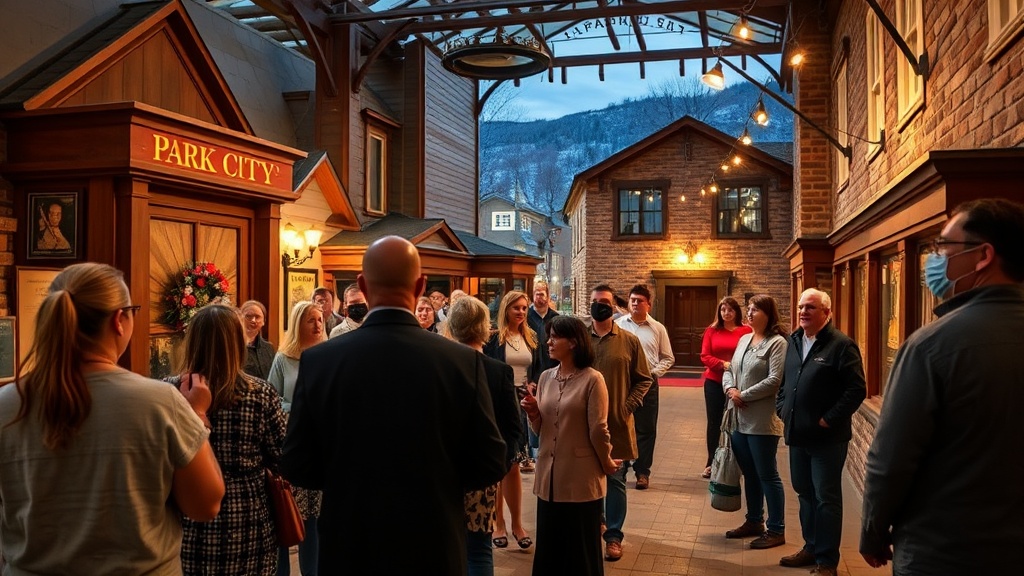
Looking ahead, the city has ambitious plans to transform Main Street, aiming to balance preservation with the burgeoning demands of commerce. Supporters view this as an opportunity for rejuvenation, while critics express concern over the potential risks to the town's character. This debate encapsulates the broader struggle within Park City to navigate growth while maintaining its unique identity.
As 2025 draws to a close, Park City stands at a crossroads. The year has been marked by significant challenges, but also by a community resilient in its pursuit of accountability, transparency, and a shared vision for the future. The stories that defined this year will continue to shape discussions as residents reflect on their town's journey and the evolving nature of life in this iconic mountain community.