Park City Museum Celebrates a Year of Historic Preservation and Community Engagement
The Park City Museum reflects on a successful year of historic preservation and community engagement, promising more exciting initiatives ahead.
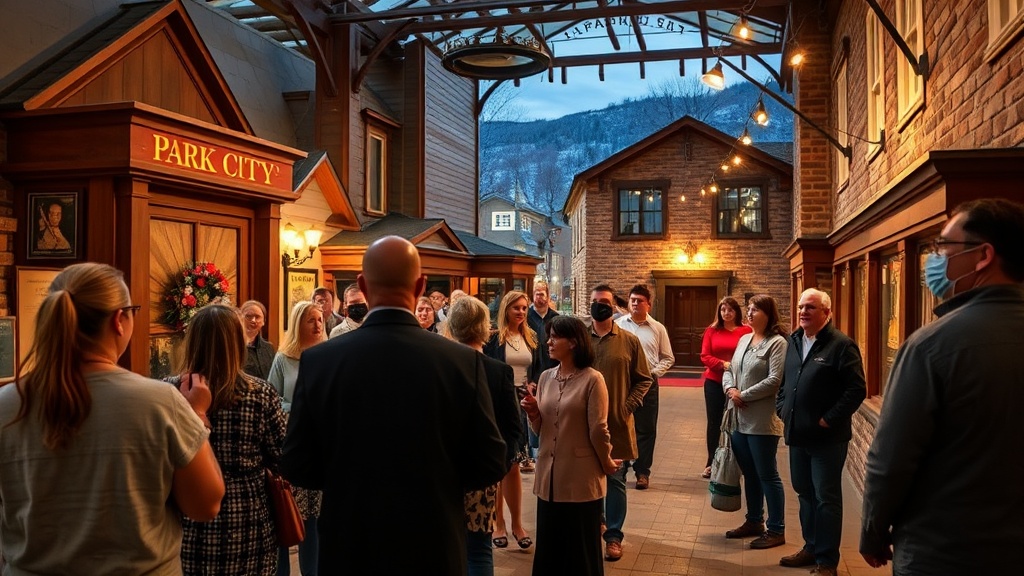
In an eventful year marked by a commitment to preserving the rich history of Park City, the Park City Museum has once again demonstrated its vital role in the community. Throughout 2025, the museum not only added numerous artifacts to its collection but also engaged tens of thousands of visitors through a series of carefully curated exhibitions, educational programs, and public outreach initiatives. As the museum embarks on another year, its efforts to illuminate the past and foster community connections remain stronger than ever.
The Park City Museum, dedicated to chronicling and preserving the local history, reported a significant increase in visitor engagement this past year. With the accession of new items to its collection, the museum continues to uphold its mission of safeguarding the stories that define Park City. "We’ve seen tremendous support from the community, and it’s wonderful to witness so many people interested in our history," said Dalton Gackle, the museum’s research coordinator.
Social media has played a crucial role in the museum’s outreach, with a robust online presence allowing for the dissemination of captivating images and stories from Park City’s storied past. This digital engagement has been complemented by a series of articles under the banner “Way We Were,” which delve deeper into the local history, captivating both residents and visitors alike.
Among the highlights of the year were several traveling exhibits that enriched the museum's offerings. Notable displays included “Graveyard of Buoyant Hopes: Ghost Towns & Relics of the American West,” which explored the remnants of former mining towns, and “Two Minutes to Midnight and the Architecture of Armageddon,” which examined the impact of the Cold War on American architecture. Another key exhibition, “The Perfect Shot: Walter Iooss Jr. and the Art of Sports Photography,” showcased the intersection of sports and art, drawing in sports enthusiasts and photography lovers. These exhibitions not only contextualized Park City’s history but also emphasized its connections to broader national narratives.
The museum’s annual Glenwood Cemetery event, themed “Death and Disaster: Terrible Ways to Die!” was another highlight, bringing to life the stories of those interred at the historic site. The event, held on a picturesque day, engaged participants in the rich, albeit somber, tales of the town’s past. Summer tours of Glenwood Cemetery proved to be a popular addition, further enriching the community’s understanding of local history.
In addition to cemetery tours, the museum continued to offer public walking tours of Main Street, along with exclusive historic hikes for members. These hikes, which explore former mine sites, have become a valued perk for museum members, allowing them to connect with Park City’s mining heritage in an immersive way.
The museum also maintained its commitment to education through a lecture series that became the most attended in its history this year. Covering a variety of topics related to Park City’s past, present, and future, the lectures attracted diverse audiences eager to learn more about their community. The next lecture, scheduled for January 7, 2026, titled “Who Was Lady Morgan? The Life and Times of Philip Morgan,” will be presented by local author Michael O’Malley, promising to shed light on another intriguing aspect of the town’s history.
June saw the museum highlight Daly Avenue and Upper Main Street during its biennial Historic Homes Tour, which featured nine stunning historic homes and one historic business. This event not only celebrated the architectural heritage of Park City but also served as a platform for recognizing ongoing preservation efforts. The museum faced a unique challenge this year, as the distribution of historic preservation ribbons was delayed due to a gas leak that necessitated a temporary closure of Main Street.
The Friends of Ski Mountain Mining History played an instrumental role in the museum’s preservation initiatives, successfully coordinating the stabilization of the Silver King headframe building. This effort, a collaboration with local partners and the Utah Division of Oil, Gas, and Mining, ensures that this historic structure will remain a part of Park City’s landscape for generations to come. Looking ahead, 2026 will see a focus on improvements to the Thaynes Mine headframe building, further enhancing the visitor experience.
As the year comes to a close, the Park City Museum reflects on a successful 2025, attributing its achievements to the dedication of its staff, volunteers, and members. Plans are already underway for the next exhibit, set to debut in March 2026 in the Tozer Gallery. Titled “Park City Loves a Parade! Our Parades, Processions and Protests from Past to Present,” this exhibit aims to connect the community’s sense of identity with public displays of celebration and commemoration.
With ongoing support from the community and a strong commitment to preserving Park City’s history, the museum is poised for another successful year ahead. As it continues to bring history alive through educational programs, exhibitions, and community events, the Park City Museum remains an essential institution for both residents and visitors alike.