Park City Council to Vote on Settlement in Billionaire Mansion Dispute
Park City Council to vote on a settlement regarding a luxury mansion project, raising questions about local governance and wealth influence.
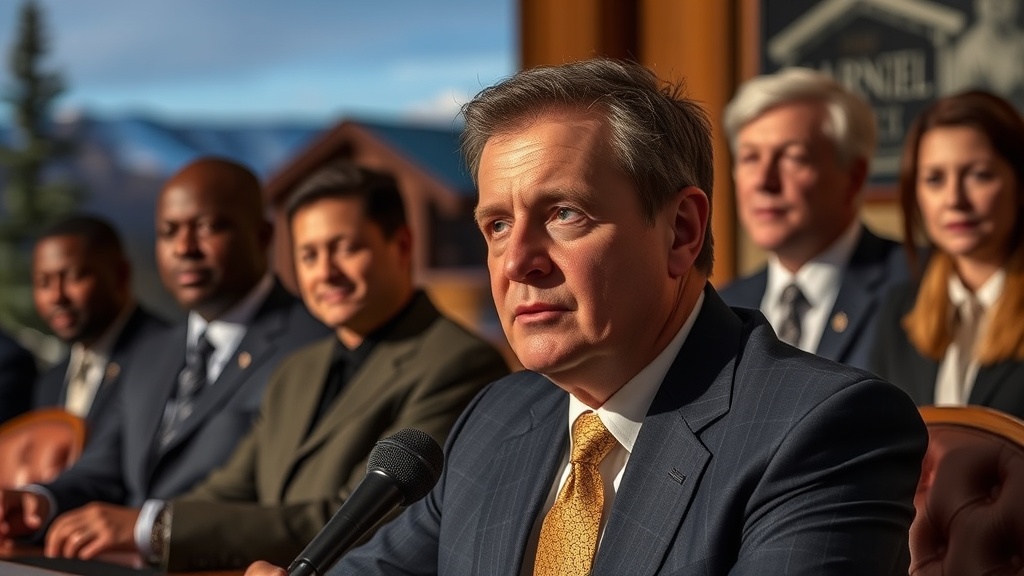
PARK CITY, Utah — The Park City Council is poised to make a significant decision this week regarding a contentious settlement that could resolve years of legal disputes over a luxury home project at 220 King Road, owned by Pesky Porcupine LLC, an entity connected to Cloudflare founder Matthew Prince. The council will vote on a proposed consent agreement on January 15 that aims to replace disputed land-use decisions, facilitate the continuation of the high-profile project, and dismiss ongoing lawsuits without judicial intervention.
Matthew Prince, recognized as Utah's wealthiest resident with an estimated net worth of $6.3 billion, has been embroiled in legal challenges over the planned mansion. Alongside his wife, Tatiana Prince, he has become a notable civic contributor in Park City, including a substantial $20 million donation to support Utah's bid for the 2034 Winter Olympics. Their influence within the community has sparked debate regarding local governance and the implications of wealth on land-use decisions.
The dispute began in February 2024 when the Park City Planning Commission approved the necessary permits for the demolition of two existing structures to make way for the new residence. This decision faced immediate backlash from neighbors Eric and Susan Hermann, who subsequently appealed the approvals. In July, the city’s Appeal Panel upheld the Planning Commission’s decisions, prompting the Hermanns to seek judicial review in the Third District Court, where the cases are still pending.
Additional complications arose over the project's Historic District Design Review, where conflicting decisions between the Planning Director and the Board of Adjustment led to further litigation. The complexity of these legal battles has culminated in three interrelated cases currently consolidated in district court.
The proposed consent agreement, which was publicly disclosed for the first time this week, seeks to affirm the Planning Commission’s approvals, reinstate the Planning Director’s design review with certain modifications, and introduce additional mitigation measures, such as expanded landscaping and road safety improvements. Notably, the agreement stipulates that Pesky Porcupine LLC will indemnify the city against any future legal challenges related to the development. However, it does not require a substantial redesign of the mansion, allowing it to proceed with previously approved dimensions and architectural style.
The consent agreement is being framed as a way to streamline the resolution of land-use disputes, a method sanctioned by Senate Bill 262 passed by the Utah Legislature in 2025. City attorneys argue that the agreement will minimize litigation costs and provide finality to a protracted process. Mayor Ryan Dickey has emphasized the city's commitment to maintaining local control over land-use decisions, reflecting on the years spent defending the city's historic district authority against state-level pressures.
Opponents of the consent agreement, including the Hermanns, argue that the legal process should unfold in court rather than through council negotiations, labeling the proposed agreement as an “end run” around proper legal proceedings. Their recent communications highlight concerns about precedent, suggesting that a favorable outcome for Prince could set a troubling standard for future developments in the historic district.
Community opposition has manifested in a public petition titled “Tell Park City to Make Billionaire Matthew Prince Follow the Same Rules as the Rest of Us,” which calls upon residents to attend upcoming council meetings to voice their objections to the proposed settlement. Advocates for the petition argue that the legitimacy of the rule of law in Park City is at stake, marking a critical moment for the community.
The City Council's decision on the consent agreement will have profound implications for the future of the project and the local governance structure. If approved, the ongoing lawsuits will be dismissed, allowing the construction of Prince's mansion to proceed under the terms of the agreement. Conversely, if the council rejects the proposal, the legal battles will continue, and a district court judge will ultimately decide the legality of the previous land-use approvals.
The council meeting is scheduled for January 15, 2026, beginning at 5:30 p.m. at the Marsac Municipal Building, with the option for public participation via Zoom. As this high-stakes vote approaches, the community remains divided, reflecting broader tensions between local governance and the influence of wealth in shaping Park City’s landscape.