Nationwide Protests Erupt Following Fatal Shooting by ICE Agent in Minneapolis
Protests sparked nationwide by Renee Good's shooting in Minnesota highlight ongoing tensions over ICE's role in communities.
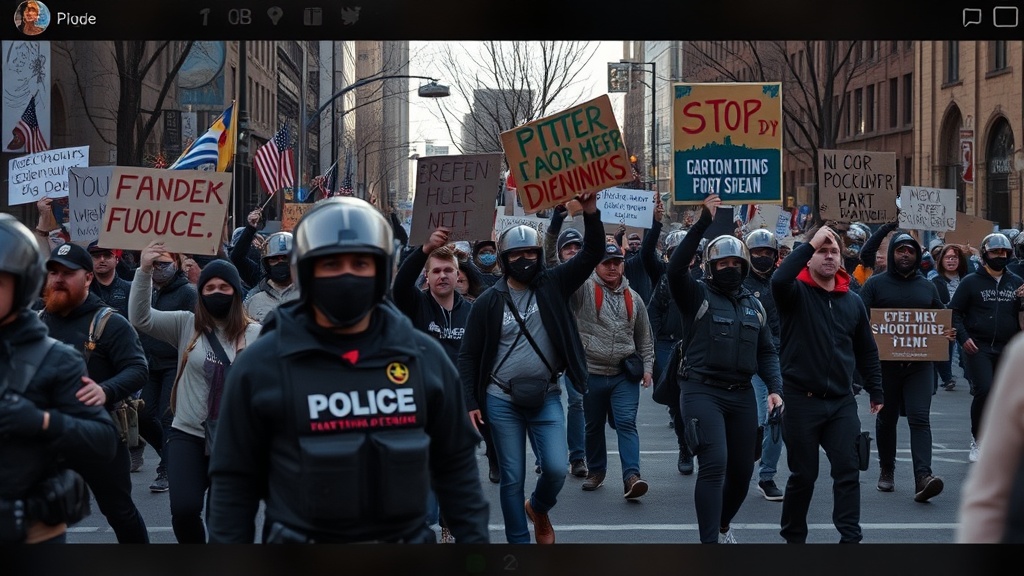
In the wake of a fatal shooting involving an Immigration and Customs Enforcement (ICE) agent in Minneapolis, protests erupted across various cities in the United States, including a significant gathering in Salt Lake City. The demonstration took place at Pioneer Park on Thursday, just one day after the incident that claimed the life of 37-year-old Renee Good, further fueling the ongoing debate about the role and actions of ICE in communities nationwide.
Renee Good's death has been described as a tragic and unnecessary loss, prompting activists and community members to voice their outrage and demand accountability. This incident has not only reignited anger against ICE but also intensified discussions surrounding immigration policies and community safety. Activists at the Salt Lake City protest called for the immediate prosecution of the agent involved in the shooting, underscoring a growing sentiment against what they see as excessive force used by federal authorities.
Dodge Hoovermale, an organizer with the Party for Socialism and Liberation, emphasized the collective grief and anger expressed by those in attendance. “I think like most people, we are against innocent people being shot and innocent people being taken from their families. This incident highlights the need for change in how this administration approaches immigration enforcement,” he stated.
The protest featured speeches and chants aimed at highlighting the perceived failures of ICE. A representative from the Utah State Progressive Caucus addressed the crowd from a makeshift stage, urging attendees to document the events occurring in their communities. “Imagine if the horrible events of yesterday in Minnesota happened and no one was filming,” the speaker warned, highlighting the crucial role of documentation in advocating for justice.
As demonstrators gathered, the atmosphere was charged with emotion. Chants of “We want ICE off our streets” echoed through the park, resonating with sentiments expressed by various state leaders and community members alike. State Senator Nate Blouin (D-Salt Lake City) voiced his concerns about ICE's presence in local communities, stating, “They don’t need to be in our communities. We’ve seen what they’ve done in other communities, by making it less safe.”
The protest also saw support from local businesses, including Caputo’s Market & Deli, which provided free snacks and drinks to attendees. Co-owner Matt Caputo expressed his solidarity with the protestors, as he reflected on his family's immigrant background. “My great grandparents on my dad’s side are immigrants from Italy, my grandparents on my mom’s side, my wife is an immigrant,” he explained. Caputo underscored the importance of treating all individuals with dignity, irrespective of their immigration status.
The Salt Lake City protest was part of a broader wave of demonstrations occurring in cities around the country, all demanding justice for Renee Good and an examination of ICE's practices. Activists are increasingly calling for systemic changes to immigration enforcement, arguing that the current approach often leads to violence and community destabilization.
As the protests unfolded, the question of accountability loomed large. Activists demanded not only the prosecution of the officer involved in Good’s death but also a reevaluation of ICE's role in local communities. Many argue that the agency's actions contribute to a climate of fear among immigrant populations, deterring individuals from seeking help or reporting crimes.
The nationwide protests are reflective of a growing movement advocating for immigrant rights and justice, particularly in light of recent incidents involving law enforcement and immigration authorities. As communities rally together in solidarity, it is clear that the demand for change is resonating across the country.
In the days following the protests, local leaders and activists are expected to continue their efforts to raise awareness about the implications of aggressive immigration enforcement. The tragic death of Renee Good may serve as a catalyst for broader discussions about the future of immigration policy and community safety in the United States. For many, it is a call to action, urging citizens to reflect on the values of compassion and justice that should guide the nation’s approach to immigration.