New Bill Targets AI-Generated Content with Libel and Slander Laws
A proposed Utah bill aims to extend libel and slander laws to AI-generated content, addressing misinformation concerns.

In a groundbreaking legislative move, a new bill proposed for the 2026 session of the Utah legislature seeks to extend traditional libel and slander laws to cover content generated by artificial intelligence (AI). This proposed legislation comes amidst growing concerns over the impact of AI on journalism, misinformation, and the overall integrity of digital content. With rapid advancements in technology, lawmakers are grappling with how to regulate this evolving landscape, and this bill signals a significant step toward addressing potential legal issues associated with AI-generated material.
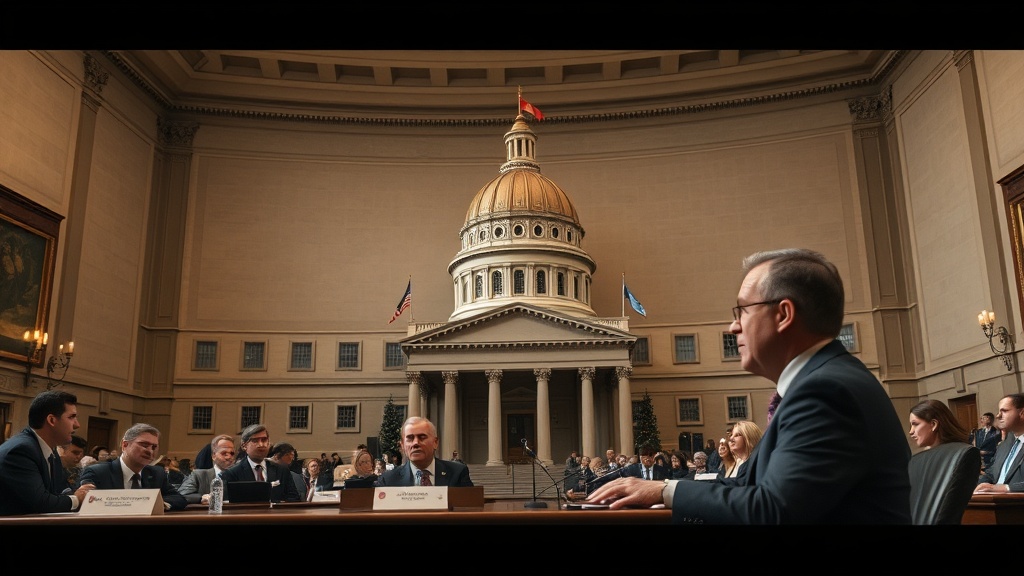
The bill, introduced by State Senator Jane Doe, aims to clarify the legal responsibilities of AI developers and users regarding the accuracy and accountability of the content produced by these technologies. "As AI continues to advance and become more integrated into our daily lives, we must ensure that individuals and organizations are held accountable for the information disseminated through these platforms," said Senator Doe during a press conference announcing the bill.
The proposal outlines that AI-generated content, which can include news articles, social media posts, and even fictional narratives, could be subject to the same scrutiny as material produced by human authors. This means that if AI-generated content contains false statements that harm an individual's reputation, the creators or distributors of that content could face legal repercussions for libel or slander.
Currently, the legal framework surrounding defamation relies heavily on the notion of human authorship. In many cases, it is challenging to hold AI systems accountable, as they operate autonomously and are often not directly tied to a specific individual or organization. The introduction of this bill seeks to bridge that gap by establishing a clear set of guidelines for how AI-generated content should be treated under existing defamation laws.
The implications of this legislation could be profound. For one, it may encourage AI developers to implement more rigorous content verification processes to avoid potential legal challenges. This could lead to a significant shift in how AI systems are designed, with an emphasis on accuracy and reliability. Additionally, the bill may lead to increased scrutiny of AI-generated content across various sectors, including journalism, advertising, and entertainment.
Experts in technology law have expressed mixed reactions to the proposed bill. Some argue that it is a necessary step to protect individuals from potential harm caused by false information. "As AI becomes more prevalent, the risks associated with misinformation grow. This bill could set a precedent for holding AI accountable, which is essential for maintaining public trust in information sources," said Dr. John Smith, a professor of law at the University of Utah.
However, others caution that applying traditional libel and slander laws to AI-generated content could stifle innovation and creativity in the tech industry. "There is a fine line between ensuring accountability and hindering the development of new technologies. If companies fear legal repercussions for every piece of content their AI generates, it could slow down progress in this field," warned Emma Johnson, a technology policy analyst.
The bill arrives at a time when concerns over misinformation and disinformation are at an all-time high, particularly in the context of social media and digital platforms. Recent studies have shown that AI-generated content can be highly convincing, often making it difficult for users to discern fact from fiction. By imposing legal consequences for false AI-generated information, lawmakers hope to mitigate the spread of harmful narratives that could damage reputations or incite conflict.
Furthermore, the bill has sparked discussions among various stakeholders, including tech companies, journalists, and free speech advocates. Many fear that the legislation could lead to censorship or a chilling effect on free expression, particularly if content creators feel pressured to self-censor out of fear of legal consequences. In response, Senator Doe emphasized that the bill is designed to strike a balance between protecting individuals from defamation and preserving the freedom of speech. "We want to encourage creativity and innovation while also safeguarding the rights of individuals who may be harmed by false information," she stated.
As the 2026 legislative session approaches, the bill will likely undergo further scrutiny and debate. Lawmakers will need to consider the potential ramifications of extending libel and slander laws to AI-generated content, ensuring that any legislation passed is both effective and fair. The outcome of this bill could set a crucial precedent for how societies navigate the complex relationship between technology and the law in the years to come.
In conclusion, Utah's proposed legislation to apply libel and slander laws to AI-generated content marks a significant development in the intersection of technology and law. With the rapid evolution of AI and its growing influence on communication and information dissemination, lawmakers are faced with the challenge of crafting regulations that protect individuals while fostering innovation. As discussions surrounding the bill continue, the implications for both the tech industry and the public at large remain to be seen.