Native American Community Unites Against Recent ICE Detainments in Utah
The Native American community in Utah is uniting against recent ICE detainments, advocating for their neighbors and emphasizing solidarity.
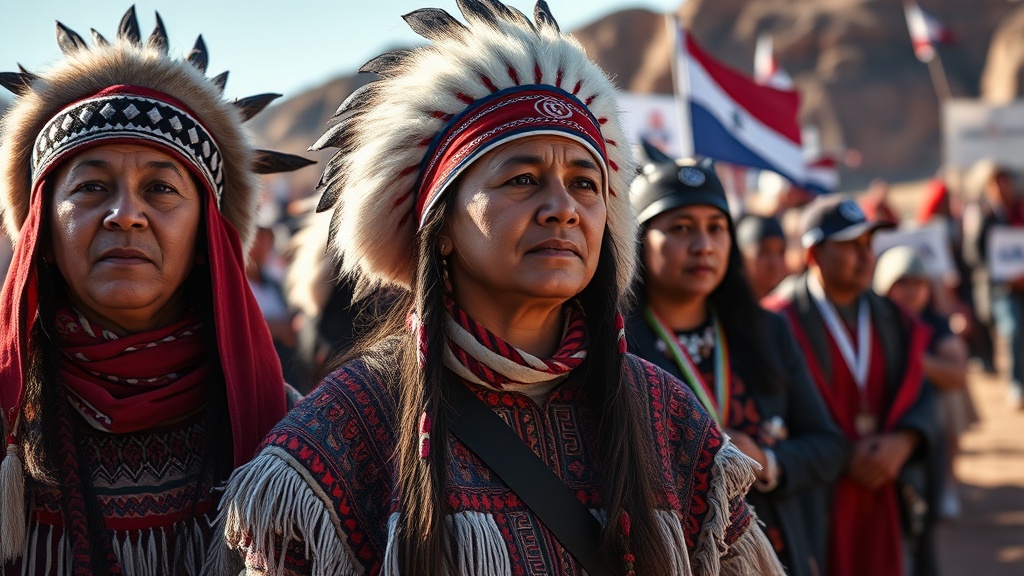
In Utah, the Native American community is rallying together in response to alarming reports of Immigration and Customs Enforcement (ICE) agents conducting stops and detaining individuals believed to be undocumented immigrants. These incidents, which have sparked fear and concern among local residents, have prompted leaders from various tribal nations to voice their support for those affected and to emphasize the importance of solidarity within the community.
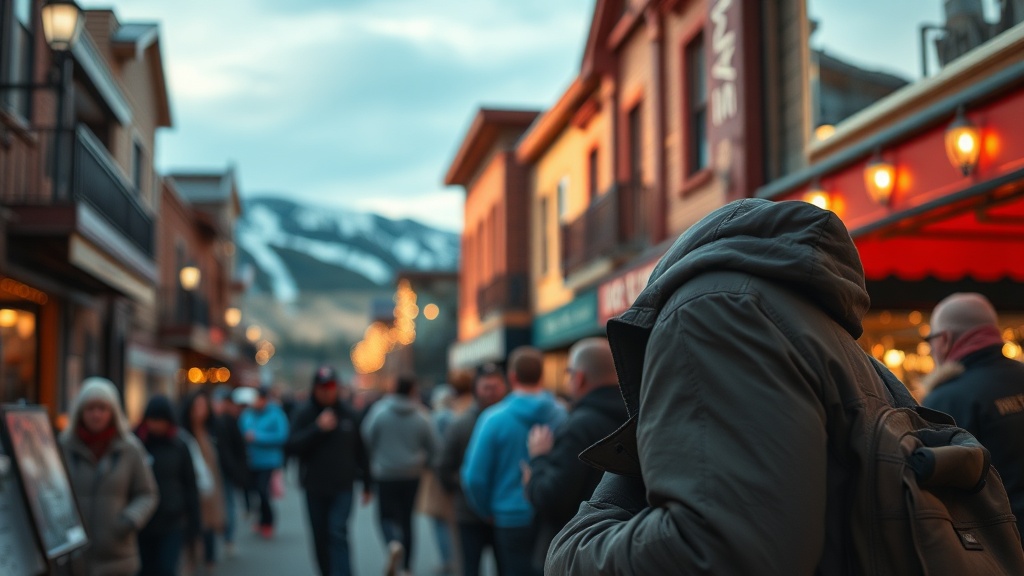
Recent reports indicate a series of ICE operations occurring in neighborhoods frequented by immigrant populations, raising alarms about the impact on families and the broader community. Eyewitness accounts describe agents stopping individuals in their cars and on foot, often without clear justification, leading to widespread anxiety among those who fear deportation or separation from loved ones.
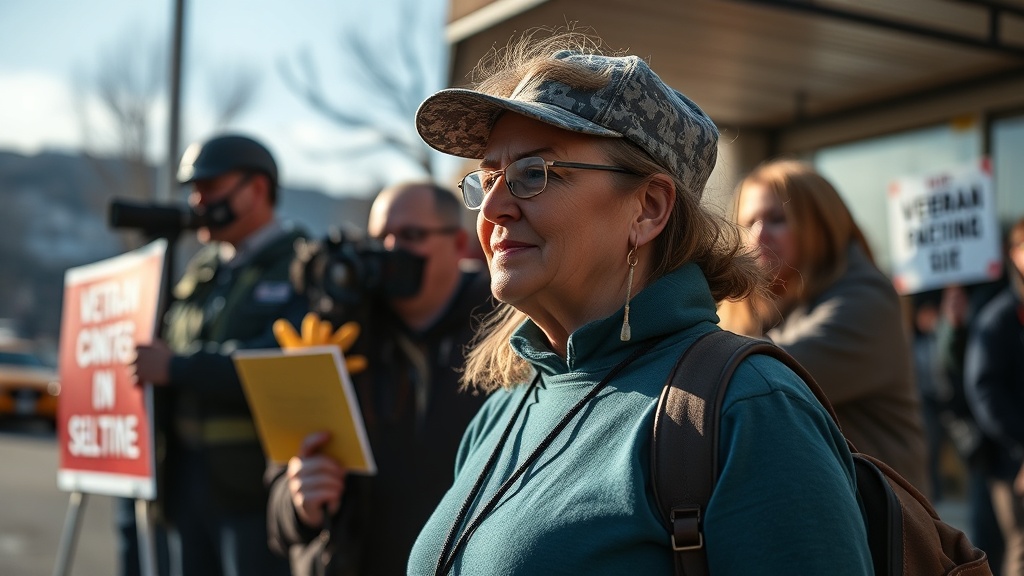
In light of these developments, representatives from several Native American tribes in Utah have come forward to express their solidarity with those targeted by ICE. "We stand with our neighbors during this troubling time," said Mary Ann Williams, a prominent voice in the Native American community and an advocate for immigrant rights. "We understand the fear that comes with these detainments, and we want to make it clear that we will not stand idly by while our community members are treated unjustly."
The Native American population in Utah has its own complex history with government overreach and systemic injustices. Tribal nations have long faced challenges related to sovereignty, civil rights, and the preservation of their cultural identity, often finding common ground with immigrant communities who share similar struggles. As such, leaders are drawing parallels between their own experiences and the current situation affecting undocumented immigrants.
Tribal leaders are organizing community meetings to discuss the implications of ICE activities and to develop strategies for providing support. These meetings serve as a platform for individuals to share their experiences, seek legal advice, and access resources that can help them navigate the complexities of immigration law. "We need to empower our community members with knowledge and resources so they can protect themselves and their families," explained Thomas Blackhawk, the spokesperson for the Utah Inter-Tribal Council.
In addition to advocacy efforts, community members are mobilizing to raise awareness about the rights of individuals who may find themselves confronted by ICE agents. Educational workshops are being planned to inform residents about their legal rights during encounters with law enforcement, emphasizing the importance of remaining calm and knowing when to seek legal assistance. Local organizations are also collaborating to provide emotional support to families who may be affected by these detainments, recognizing the psychological toll that such events can take.
The response from the Native American community comes at a time when national conversations about immigration policy and enforcement practices are increasingly polarized. Many communities across the country are grappling with the implications of stringent immigration laws, and Utah is no exception. The recent actions by ICE have reignited debates about the balance between national security and humanitarian concerns, particularly in areas with diverse populations.
Local officials have also weighed in on the situation, urging ICE to exercise discretion in their operations. Salt Lake City Mayor Erin Mendenhall released a statement emphasizing the need for compassion and understanding in enforcement practices, particularly in communities that are already vulnerable. "We must ensure that our city remains a safe and welcoming place for everyone," she stated. "We cannot allow fear to take root in our neighborhoods."
As the situation continues to unfold, the Native American community in Utah remains committed to advocating for their neighbors. Leaders are calling for a unified front against the fear generated by ICE detainments and are encouraging community members to stand together in solidarity. "This is not just an issue for one group; it affects all of us," said Williams. "We must look out for each other, as our histories and struggles are intertwined."
In conclusion, the Native American community's response to ICE detainments in Utah underscores the importance of solidarity and mutual support among marginalized populations. As they work to empower their neighbors and advocate for justice, their actions serve as a reminder of the complexities surrounding immigration issues and the need for compassionate approaches to enforcement. The commitment to standing together during these challenging times highlights the shared values of resilience and community that define both Native American and immigrant experiences in Utah.