Paiute Tribe Urges Members to Prepare for Potential ICE Detentions
Paiute tribal leaders in Utah issue urgent guidance for members amid ICE detainment fears, emphasizing the importance of identification and legal rights.
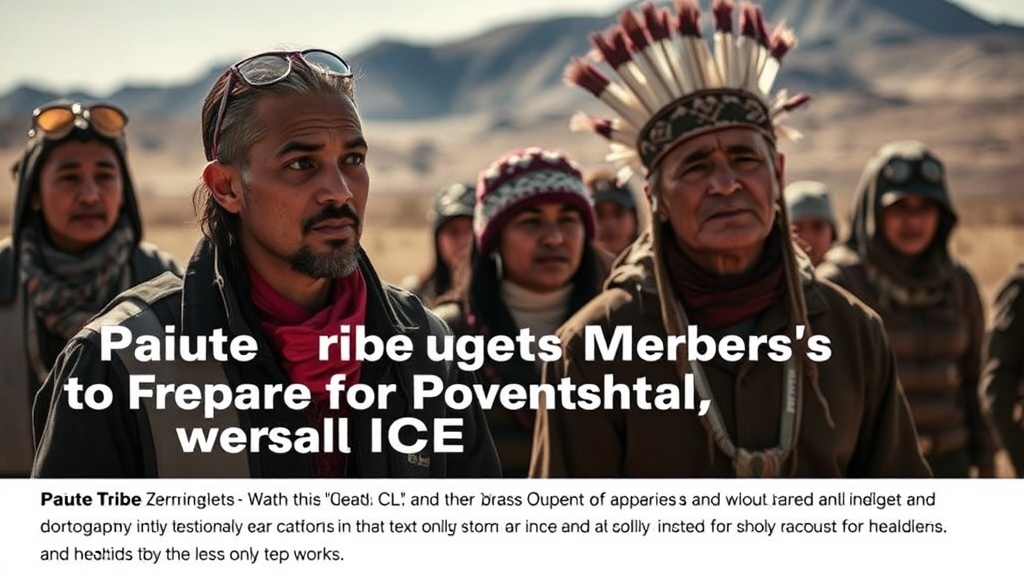
In a timely alert to its members, the Paiute Indian Tribe of Utah has issued a warning regarding the potential detainment of tribal members by U.S. Immigration and Customs Enforcement (ICE). The tribe's leadership emphasized the importance of having proper identification on hand, particularly following reports of ICE activities targeting individuals who are members of federally recognized tribes. This advisory comes amidst a broader national conversation about immigration enforcement and its implications for tribal sovereignty and community safety.
On Thursday, the Paiute Tribal Council took to social media to disseminate critical information aimed at empowering its constituents. The statement highlighted that while they have not confirmed whether any Paiute members have been detained, the possibility remains concerning. "We want our community members to be informed and prepared," the statement read, stressing that carrying valid tribal and state identification is essential when out in public.
Tribal leaders advised members to ensure their identification documents are current and to always carry at least one additional form of ID. This precaution aims to facilitate interactions with law enforcement and immigration officials, should they arise. The advice included a directive to remain calm and to request proper identification if approached by an ICE agent. "It is crucial to know your rights and to assert them calmly," the leaders asserted.
In their guidance, the Paiute Tribe urged members to ask ICE agents for a valid warrant signed by a judge if they are detained. They emphasized that individuals have no obligation to open their doors to agents without such a warrant. This assertion underscores the legal protections that exist for tribal members, as recognized by both federal and tribal laws. The tribe reiterated, "You are not obligated to open your door if they come to your home without a valid warrant."
The leaders cautioned against any physical resistance or attempts to flee if confronted by ICE agents. Instead, they advised members to remain calm and polite, to present their identification, and to articulate their rights. In instances of detainment, the tribe encourages members to invoke their rights by stating, "It is my Constitutional right to remain silent. I want to speak with an attorney." This reminder is particularly important in the current climate, where many individuals fear undue repercussions from immigration enforcement.
Additionally, the Paiute leadership assured members that the tribe is prepared to assist those who may find themselves in legal trouble. "The Tribe will assist you in securing legal counsel. Our legal team will actively work to defend your rights and interests," the statement affirmed, highlighting the tribe’s commitment to standing by its members during times of distress. This support is crucial, as it can be daunting for individuals to navigate the complexities of immigration law without proper guidance.
The Paiute Tribe is not alone in expressing concerns about ICE's activities. Across the country, various tribal nations have raised alarms about the impact of immigration enforcement on their communities. Many tribal leaders argue that the federal government's actions can infringe upon their sovereignty and disrupt community cohesion. The historical context of tribal sovereignty underscores the need for Native American tribes to protect their members from external legal actions that may not consider their unique status.
In response to rising tensions regarding immigration policy, some lawmakers in Utah have proposed legislation aimed at limiting ICE's operational reach within the state. Dubbed the 'ICE Out' bill, this proposed legislation seeks to restrict ICE agents from operating in certain public locations and prohibits them from wearing face coverings to ensure accountability and transparency during encounters. This legislative effort reflects a growing movement among various stakeholders, including tribal leaders, who advocate for the protection of individuals' rights and freedoms amidst increasing federal scrutiny.
As the Paiute Tribe navigates these challenging waters, their primary goal remains the safety and well-being of their members. The tribe's proactive stance in disseminating information and providing legal resources serves as a crucial lifeline for those uncertain about their rights in the face of potential ICE detentions. As the situation continues to evolve, the Paiute Indian Tribe stands firm in its commitment to safeguarding its members while fostering an informed community prepared to face any challenges ahead.
The Paiute Tribal Council urges all members to stay vigilant, informed, and united, reminding them that they are not alone in this struggle. The tribe’s leadership continues to monitor the situation closely, ready to adapt their strategies to ensure the safety and rights of their people. In doing so, they reinforce a message of resilience and solidarity, essential in maintaining the strength of their community amidst external pressures.