Community Seeks Safety Solutions After Deadly Church Shooting in Salt Lake City
A deadly shooting at a Salt Lake City church has raised urgent questions about safety in places of worship, prompting community discussions on security.
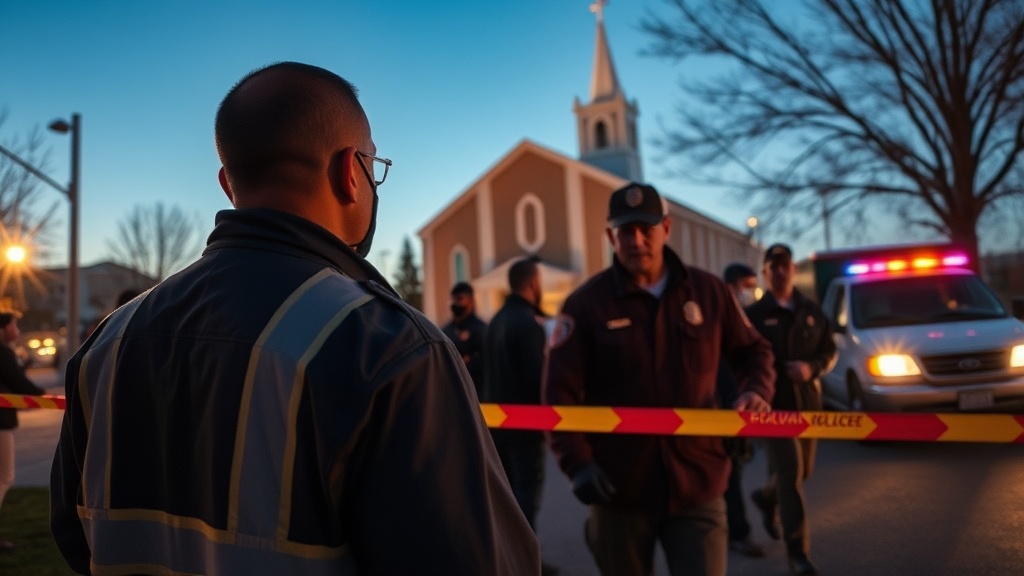
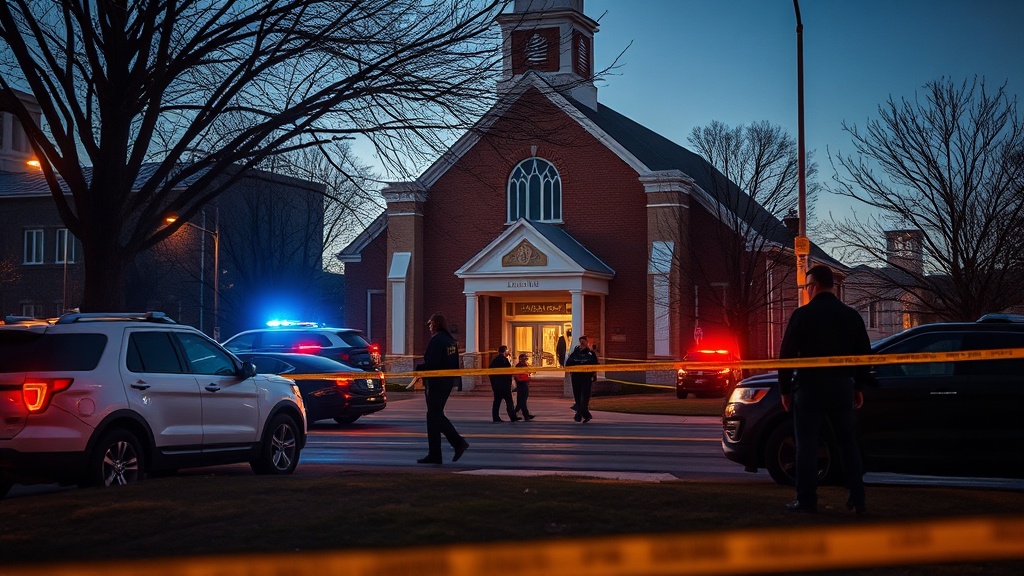
In a tragic incident that has shaken the Salt Lake City community, a deadly shooting occurred at a memorial gathering held at a church meetinghouse on Wednesday night, resulting in the deaths of two individuals and injuries to six others. This event has raised urgent questions regarding the security of places of worship and how communities can work together to restore a sense of safety in their sacred spaces. The shooting not only claimed lives but also instilled fear among congregants and local residents, prompting discussions about enhanced security measures and community outreach efforts.
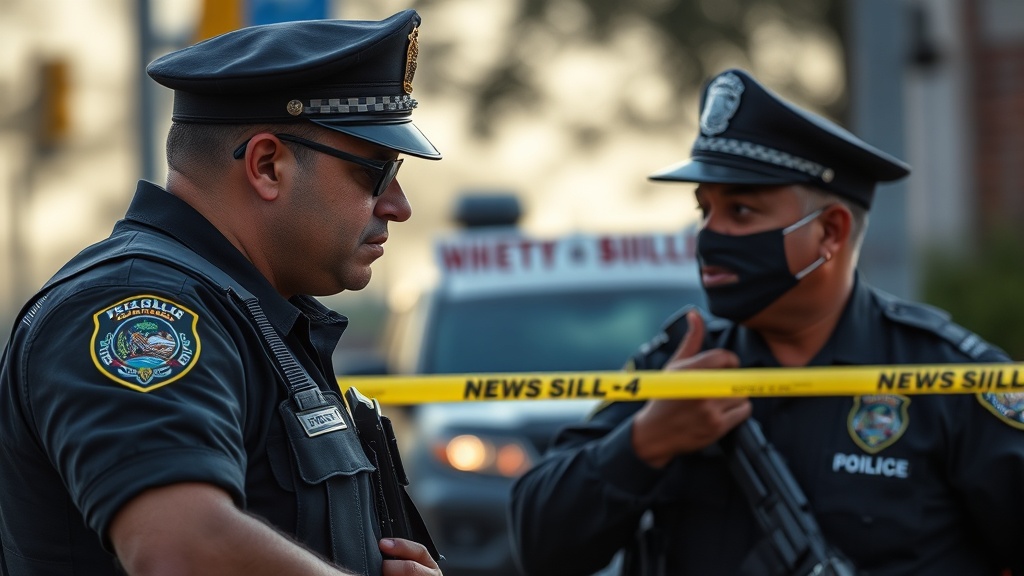
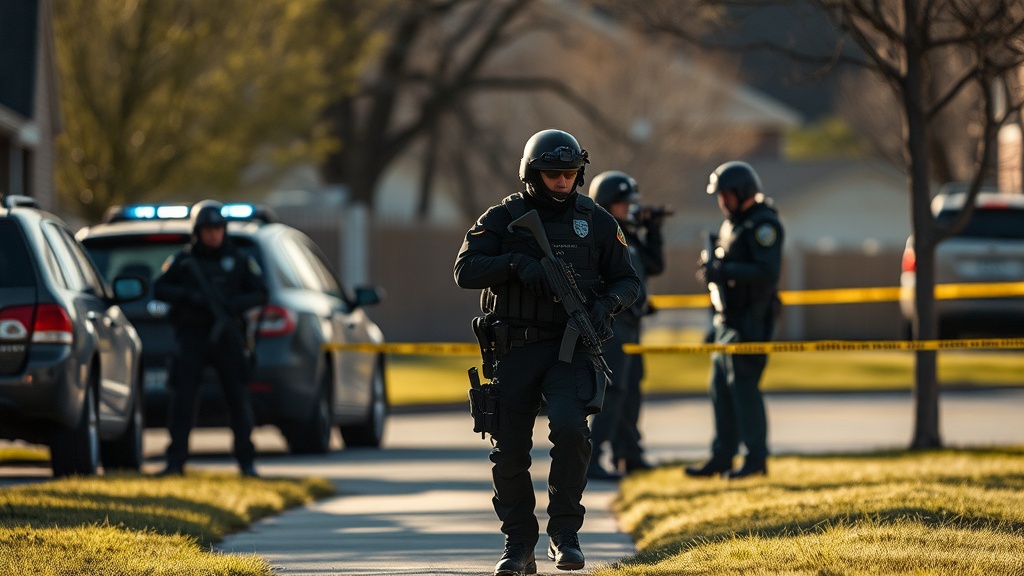
The Salt Lake City Police Department responded swiftly to the scene, where they discovered the aftermath of the shooting. While the investigation is ongoing, the police have emphasized the need for community cooperation and vigilance in the wake of such violence. The shooting at this religious gathering has left many residents feeling vulnerable, and the reverberations of this tragedy are expected to be felt long after the immediate crisis has passed.
Melvin Delgado, a professor at Boston University who specializes in urban violence, highlighted the profound impact of such incidents on places of worship. "A major sanctuary is lost," he stated, emphasizing that houses of worship are typically regarded as safe havens. When gun violence intrudes upon these sacred spaces, it sends a chilling message: that safety cannot be guaranteed anywhere. Delgado's insights reflect a broader concern among community members, who are grappling with feelings of insecurity and fear in their neighborhoods.
Rabbi Benny Zippel, the executive director of Chabad Lubavitch of Utah, reported that many members of his congregation reached out to him expressing their fears following the shooting. "Whenever something happens, like the shooting at the LDS ward last night, people get frightened," he explained. Zippel, who has been leading his congregation for over 20 years, noted that his synagogue has had security measures in place for years, which are continually being upgraded. "We have an entry point camera that records every single person that walks in and out of the building. The glass on the perimeter of the building has been upgraded to bulletproof glass," he elaborated. This proactive approach is a testament to the growing awareness of the need for security within places of worship.
The increase in demand for private security services within faith communities is another sign of the times. Chad Soffe, a representative from Panther Security and Investigations, recounted an experience from two months ago when a family hired security to attend a funeral due to concerns about potential violence. "Two private investigators sat on each side who were armed," Soffe explained, indicating a shift in how communities perceive the need for safety in traditionally peaceful settings.
Delgado also pointed out that the ramifications of such tragedies extend beyond the immediate victims. "To go to a church service to grieve and then have more pain and suffering inflicted on attendees is a powerful event that has more than one victim beyond the person who was shot and killed," he said. This highlights the need for comprehensive community support that extends beyond law enforcement and into the realms of mental health and communal healing.
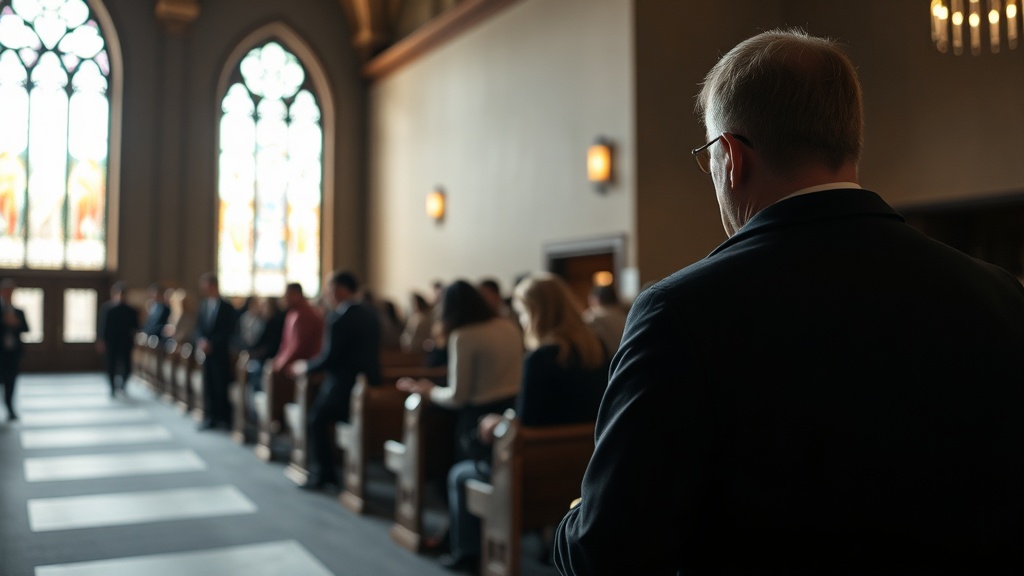
In light of the recent tragedy, Delgado urged faith groups and community organizations to collaborate in order to restore a sense of safety and normalcy. "Houses of worship, whether inside or outside, are meant to bring people together, providing safety and comfort. But those dynamics are lost in the wake of violence. There has to be special outreach efforts to bring people back in," he asserted. This call to action emphasizes the importance of community resilience and collective healing in the aftermath of violence.
As residents of Salt Lake City grapple with the emotional and psychological aftermath of the shooting, it is clear that addressing the issue of safety in places of worship requires a multifaceted approach. Community leaders, law enforcement, and congregations must work hand in hand to create environments where individuals feel secure while engaging in their spiritual practices. The path to restoring safety is fraught with challenges, but it is a necessary journey for healing and rebuilding trust within the community.
In conclusion, the tragic shooting at the church meetinghouse has not only claimed lives but has also instigated a critical examination of safety in places of worship. As Salt Lake City residents navigate the complexities of fear and vulnerability, the call for enhanced security measures and community solidarity has never been more urgent. The hope remains that through collaboration and proactive initiatives, the sanctity and safety of these sacred spaces can be reinstated, allowing communities to come together once again in peace and faith.