Jason Beck and Jay Hill Join Kyle Whittingham at Michigan in Major Coaching Shift
Jason Beck and Jay Hill are set to join Kyle Whittingham at Michigan, marking a significant coaching shift in college football.
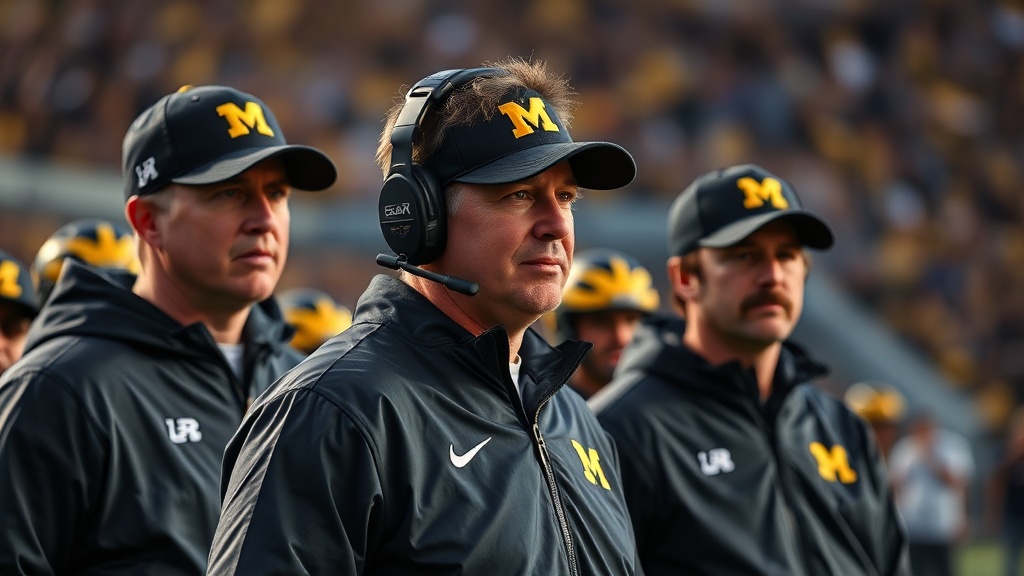
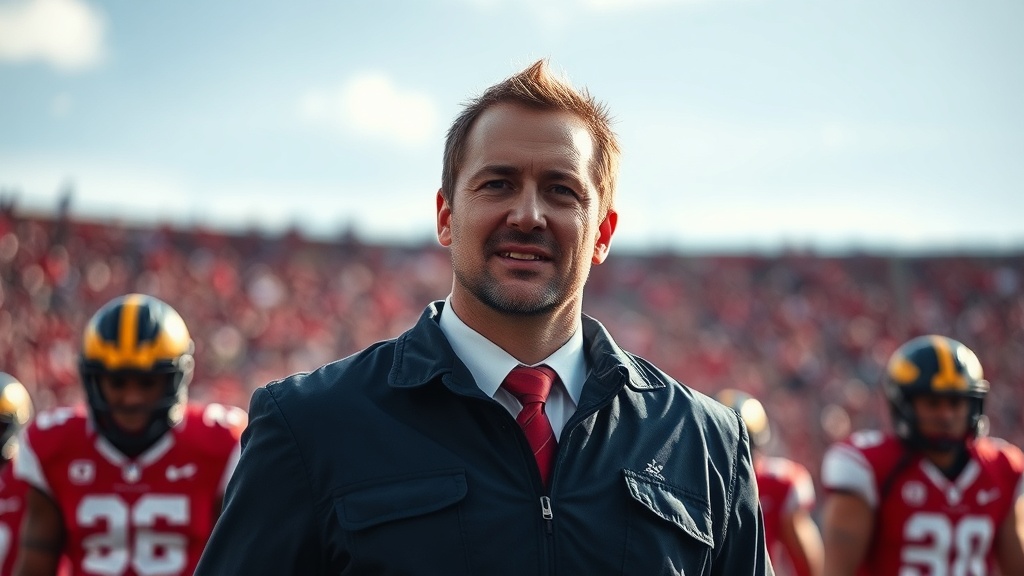
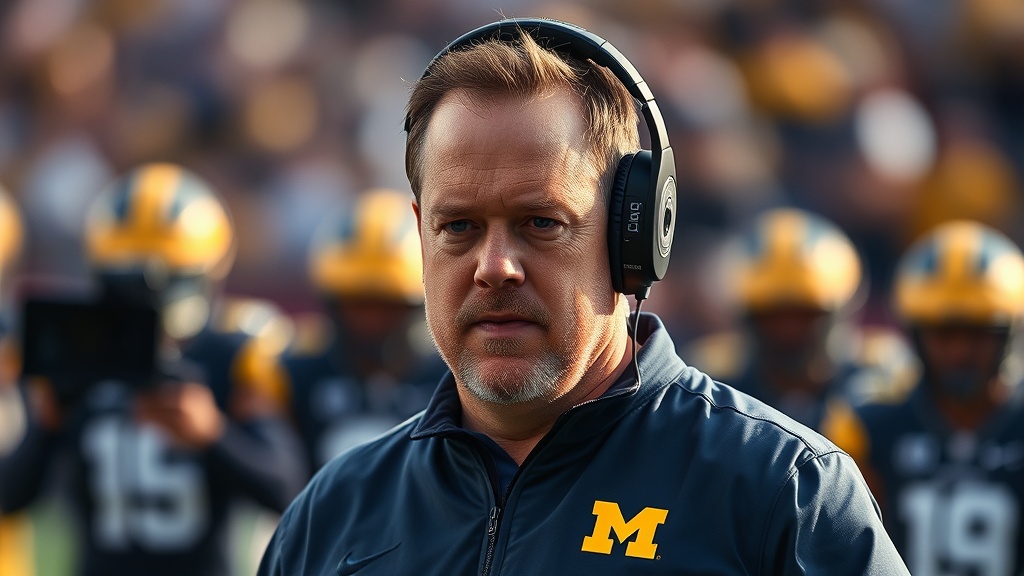
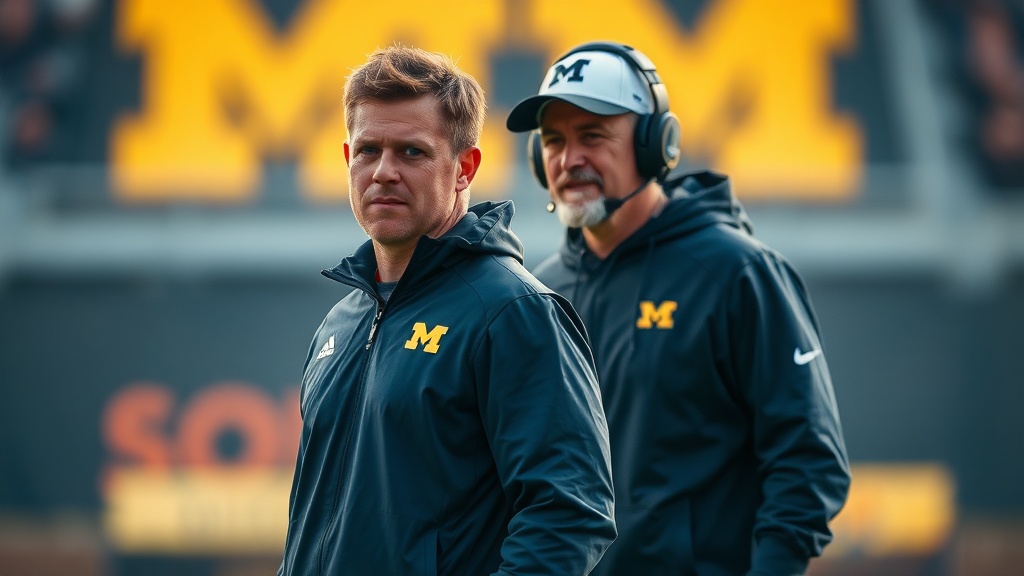
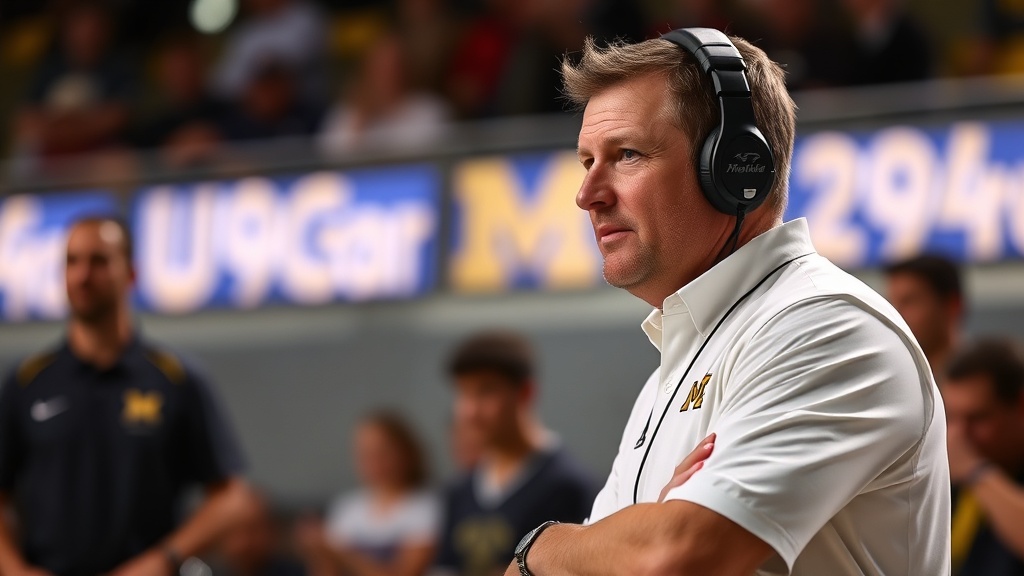
In a significant coaching shift in college football, Jason Beck, the offensive coordinator for the University of Utah, and Jay Hill, the defensive coordinator from Brigham Young University (BYU), are reportedly set to follow Kyle Whittingham to the University of Michigan. Multiple sources, including ESPN, have confirmed that both coaches will be joining Whittingham’s staff in Ann Arbor, marking the beginning of an exodus of talent from the Utes to the Wolverines.
Kyle Whittingham, who has been the head coach of the Utah Utes since 2005, was recently named the head coach at Michigan, a move that has sent ripples through the college football community. Whittingham's announcement came shortly after the Utes' impressive victory against Nebraska in the Las Vegas Bowl, where the team showcased a dominant offensive performance, racking up 535 total yards and securing a 44-22 win. During a post-game interview, Whittingham hinted at the transition, stating, "He's a guy that's moved the football and scored points everywhere he's been, and it's going to be a big plus for us having him there in Ann Arbor as well as a bunch of the other guys that were on the staff at Utah are going to come with him."
Jason Beck, who had a standout season at Utah, played a pivotal role in transforming the Utes’ offense into one of the most potent in the nation. Under his guidance, Utah achieved the fifth-highest scoring offense in the country, fueled by a powerful running game that often overwhelmed opponents. Beck’s strategic play-calling and innovative offensive schemes were instrumental in the Utes’ success, and his departure is seen as a significant loss for the program.
Before joining the Utes, Beck had a history of success, including time at BYU where he also made substantial contributions to the offensive development of the team. His ability to adapt and implement diverse offensive strategies has made him a sought-after coach, and his move to Michigan is expected to bring a fresh perspective to the Wolverines’ approach on the field.
Meanwhile, Jay Hill’s reputation as a defensive mastermind preceded him during his time at BYU, where he oversaw a defense that earned accolades as one of the most formidable in the Big 12 Conference. Hill’s defensive strategies led to a notable improvement in the Cougars' defensive performance, making them a tough opponent for any offense. His experience as a former head coach at Weber State further bolstered his credentials, as he successfully turned around the program and built a competitive team.
Hill's addition to the Michigan coaching staff is anticipated to bolster the Wolverines' defense significantly. His ability to develop players and establish a strong defensive unit will be crucial as Michigan aims to return to national prominence. Hill’s arrival could also foster a new culture of toughness and resilience in Michigan's defense, qualities that are essential in the high-stakes environment of college football.
The coaching changes come at a pivotal time for Michigan, which is looking to build on its recent successes under Whittingham’s leadership. The Wolverines are coming off a promising season and have aspirations of contending for national titles in the upcoming years. With Beck and Hill joining the ranks, the expectations are high for the coaching staff to elevate the performance of the team further.
As the news of these coaching transitions spreads, the implications for both Utah and BYU are significant. Utah will need to find replacements who can replicate Beck’s offensive success and Hill’s defensive prowess, while BYU will also face the challenge of replacing a coach who transformed their defensive unit into a powerhouse.
In conclusion, the moves of Jason Beck and Jay Hill to Michigan represent a new chapter in college football coaching dynamics, with potential ramifications for all parties involved. As the coaching carousel continues to turn, fans and analysts alike will be watching closely to see how these changes play out on the field in the coming seasons. The shift not only reflects the competitive nature of college football but also highlights the importance of strong coaching in achieving success at the highest levels of the sport.