James Wan Reflects on Horror Legacy at Sundance’s ‘Visitations’ Podcast
During the 2026 Sundance Film Festival, James Wan shared insights on his horror filmmaking journey, cultural influences, and creative process.
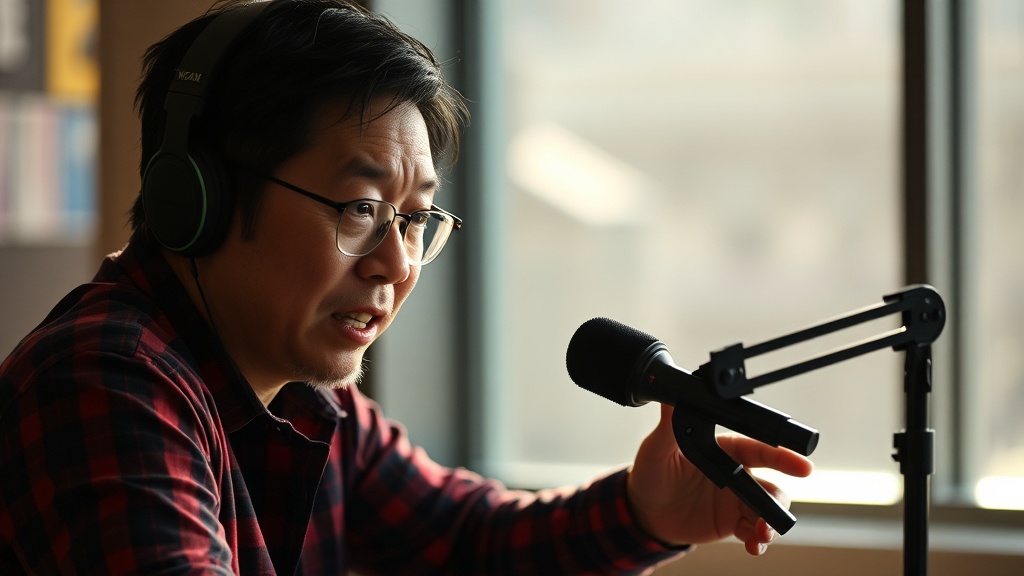
Filmmaker James Wan, known for his groundbreaking contributions to the horror genre, engaged with fans and industry peers during a live recording of the ‘Visitations’ podcast at the 2026 Sundance Film Festival. The event, which took place at the Filmmaker Lodge, marked the conclusion of the festival's Legacy programming, celebrating 43 years of cinematic innovation in Park City, Utah. Wan, who has created iconic franchises such as ‘Saw,’ ‘Insidious,’ and ‘The Conjuring,’ drew upon his unique cultural background and personal experiences to discuss his creative process and the influences that have shaped his career.
During the discussion, Wan candidly shared his fears, stating, “People say to me, ‘You make a lot of scary movies, so you must not be afraid of anything.’ I’m afraid of everything. I’m scared of ghosts. I’m scared of the supernatural.” He elaborated on how his Malaysian heritage and childhood experiences with superstitious stories have informed his approach to horror filmmaking. “I try to remember what it was that scared me about certain things, and a lot of my scare scenes are actually based on the ghost stories that have been told to me throughout my life,” he explained. This connection to his roots allows Wan to craft narratives that resonate deeply with audiences, tapping into universal fears surrounding the unknown.
The podcast, hosted by actor Elijah Wood and producer Daniel Noah, prompted Wan to reflect on his artistic influences. He identified filmmaker Steven Spielberg as a significant figure in his development, particularly citing ‘Jaws’ as the movie that ignited his passion for filmmaking. “If I had to put my finger on which of his movies inspired me the most, it would be ‘Jaws,’” Wan stated. However, he revealed that it was Spielberg's 1982 classic ‘Poltergeist’ that specifically inspired him to venture into horror. Wan remarked, “I think that’s the movie I can blame for my creepy doll fascination.” This film’s ability to transform the ordinary into the horrific left a lasting impression on him, as it depicted terror in a familiar suburban setting, rather than in traditional gothic environments.
As the conversation progressed, Wan highlighted the importance of sound design in horror films, emphasizing that the effective use of sound can significantly amplify a film's impact. He said, “The biggest complaint of horror movies today is the overuse of sound.” Moreover, he expressed a deep appreciation for lighting, drawing parallels between his cinematic style and the techniques used in Renaissance paintings. “My movies are driven by the visual, and the look is very important to me,” he noted.
Wan also credited his love for comic books as a formative influence, describing how they taught him about storytelling, shot-framing, and visual narrative. “You have to tell a succinct story in a short amount of space, and I think that helped me understand how to focus on the importance of storytelling,” he explained, reminiscing about his childhood spent drawing comics and storyboarding his early films.
In discussing his influences, he paid tribute to the Australian film industry, specifically mentioning director George Miller and the impact of films like ‘Mad Max.’ “We’re huge fans of what he has done and what he has done for the Australian film industry,” Wan said, emphasizing the distinctiveness of genre filmmaking in Australia compared to Hollywood.
Reflecting on his career, Wan recalled the exhilarating experience of premiering ‘Saw’ at the 2004 Sundance Film Festival. “It was the first time we played the movie for an actual paying audience, and even though we were nervous as hell, being here was a dream come true,” he recalled. This moment not only marked a significant milestone in his career but also highlighted the festival's role in launching new voices in cinema.
As Wan continues to carve his mark on the horror genre, his reflections during the ‘Visitations’ podcast serve as a reminder of the personal and cultural narratives that underpin his creative endeavors. By integrating elements from his heritage, experiences, and influences, Wan creates films that resonate with audiences on multiple levels, ensuring that fear transcends the screen and lingers in the minds of viewers long after the credits roll. As he looks to the future, it is clear that Wan's journey in horror filmmaking is far from over, and his contributions continue to shape the landscape of modern cinema.
The conversation not only illuminated Wan's process but also celebrated the collective legacy of filmmakers who have dared to explore the darker corners of the human experience. For fans of horror and cinema alike, Wan's insights provide a fascinating glimpse into the mind of a master storyteller, one who is continually inspired by the world around him.