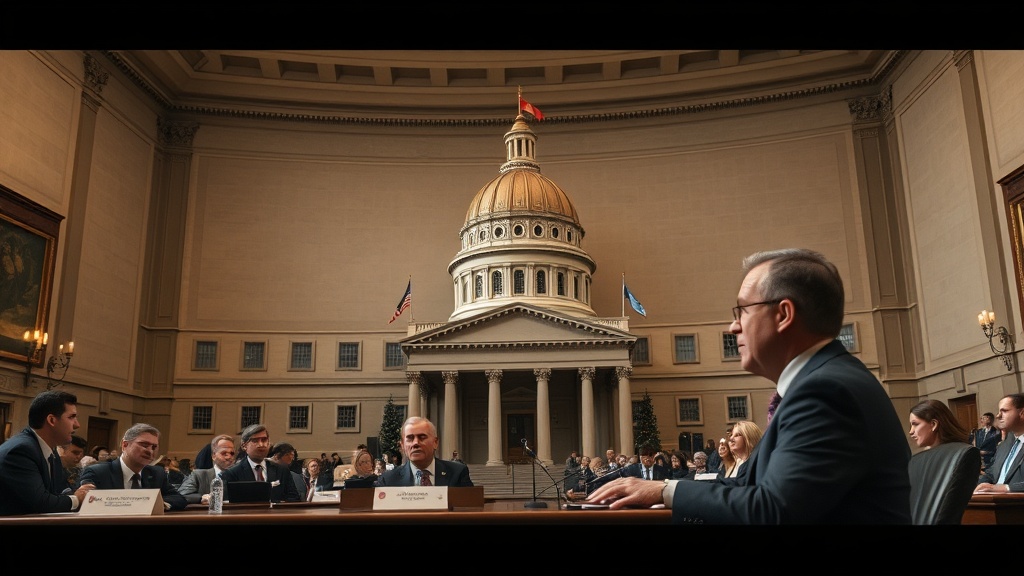
Investigation Launched into Alleged Signature Fraud in Utah Prop 4 Repeal Effort
A criminal investigation is underway into alleged signature fraud in Utah's Prop 4 repeal effort, raising concerns over electoral integrity.
A criminal investigation has been initiated by the Utah County Sheriff’s Office following reports of potentially fraudulent signatures submitted in an effort to repeal the state’s anti-gerrymandering law, known as Proposition 4. This development comes as the deadline for submitting signatures to qualify for the ballot approaches, raising concerns about the integrity of the electoral process in Utah.
The investigation was triggered after Utah County Clerk, Amelia B. Johnson, noted irregularities in the signature verification process. Johnson reported that several hundred signatures submitted by the group seeking to repeal Proposition 4 appeared to be potentially fraudulent. "We take these allegations very seriously," Johnson stated in a press conference. "Our office is committed to ensuring that the electoral process is fair and transparent, and we will work closely with law enforcement to investigate these claims."
Proposition 4 was passed in 2018 with a significant majority, aiming to curb gerrymandering practices in the state by establishing an independent redistricting commission. The law was designed to make the redistricting process more transparent and to ensure that district lines are drawn fairly, based on population rather than political interests. However, opponents of the law argue that it has not functioned as intended and have launched a grassroots campaign to repeal it.
The group leading the repeal effort, “Citizens for Fair Districts,” claims that the law has led to confusion and inefficiencies in the redistricting process. In a statement, the group's spokesperson, Mark T. Reynolds, expressed frustration over the investigation. "We are committed to democracy and to ensuring that the voices of Utahns are heard loud and clear," Reynolds said. "We are cooperating fully with the investigation and believe that this will ultimately demonstrate the validity of our efforts."
As part of the investigation, county officials are meticulously reviewing the signatures submitted by the repeal campaign. Allegations of signature fraud can range from individuals signing for others without consent, to the submission of names that do not exist in voter registration records. If fraud is confirmed, it could jeopardize the repeal effort and potentially lead to criminal charges against those involved.
Legal experts are closely monitoring the situation, noting the implications of this investigation on the upcoming election cycle. Dr. Emily S. Walker, a political science professor at Brigham Young University, emphasized the importance of maintaining public trust in the electoral process. "Any allegations of fraud can undermine confidence in the democratic system," she said. "It is crucial that these matters are investigated thoroughly and transparently."
The deadline for submitting signatures to qualify the repeal for the ballot is set for the end of the month. As the clock ticks down, the pressure is mounting on the Citizens for Fair Districts to validate their signatures and ensure that they meet the necessary threshold to move forward. With the stakes so high, both supporters and opponents of Proposition 4 are watching closely to see how this investigation will unfold.
In addition to the local implications, this case has broader repercussions for the national discussion surrounding gerrymandering and electoral integrity. Experts have noted that the issues of gerrymandering and the methods used to draw district lines are hot topics across the country, and developments in Utah could have a ripple effect, influencing similar battles in other states.
As the investigation continues, Utahns are left grappling with the potential consequences of these allegations. The outcome may not only affect the future of Proposition 4 but could also set a precedent for how signature verification and electoral integrity are handled in the state moving forward. With the deadline looming, both sides are preparing for what could be a contentious fight over the future of redistricting in Utah.
In conclusion, the investigation into the alleged signature fraud connected to the repeal of Proposition 4 is raising critical questions about electoral integrity in Utah. As officials work to clarify the situation, the outcome will likely have lasting implications for the state's political landscape, the future of anti-gerrymandering laws, and the public’s trust in the electoral process. The next few weeks are crucial as stakeholders await the findings of the investigation and the eventual decision regarding the repeal effort’s place on the ballot.