In-Depth: Investigating the Aftermath of the LDS Church Shooting in Utah
A former law enforcement officer discusses the investigation process after a tragic LDS church shooting in Utah that killed two and injured six.
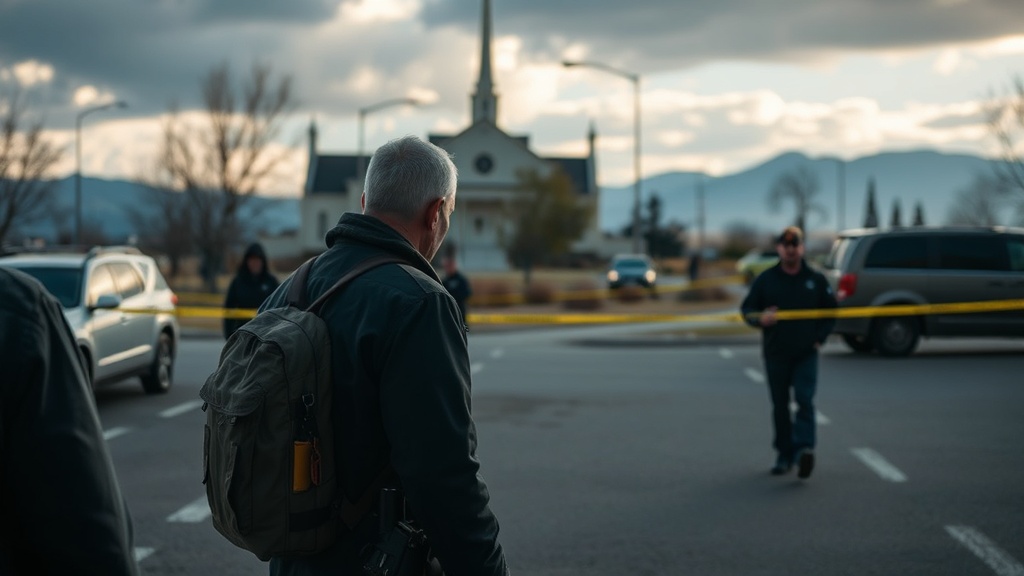
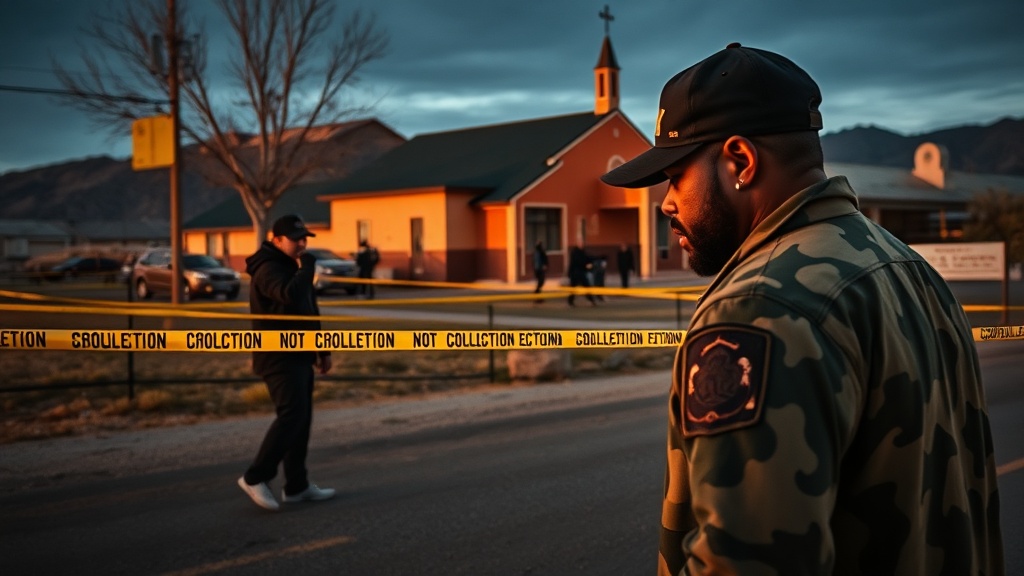
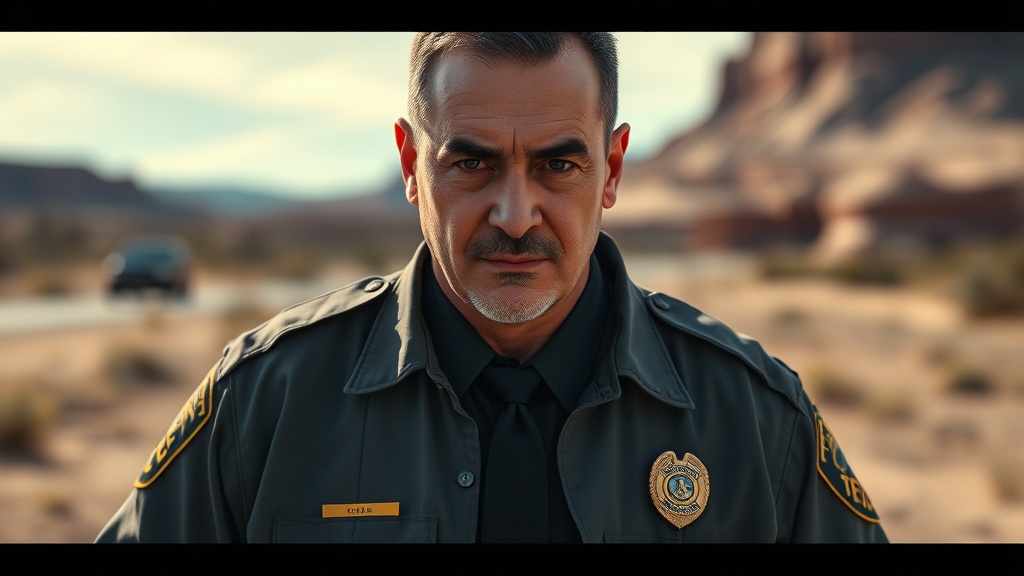
In the wake of the tragic shooting at an LDS church in Utah that resulted in the deaths of two individuals and left six others injured, former public information officer and law enforcement expert, Mark Jensen, has stepped forward to discuss the complexities of the investigation process following such mass incidents. The shooting, which occurred during a community gathering on Sunday, shocked residents and raised concerns about safety in places of worship. As authorities continue their investigation, Jensen provided insights on the protocols, challenges, and emotional toll that follow a mass shooting.
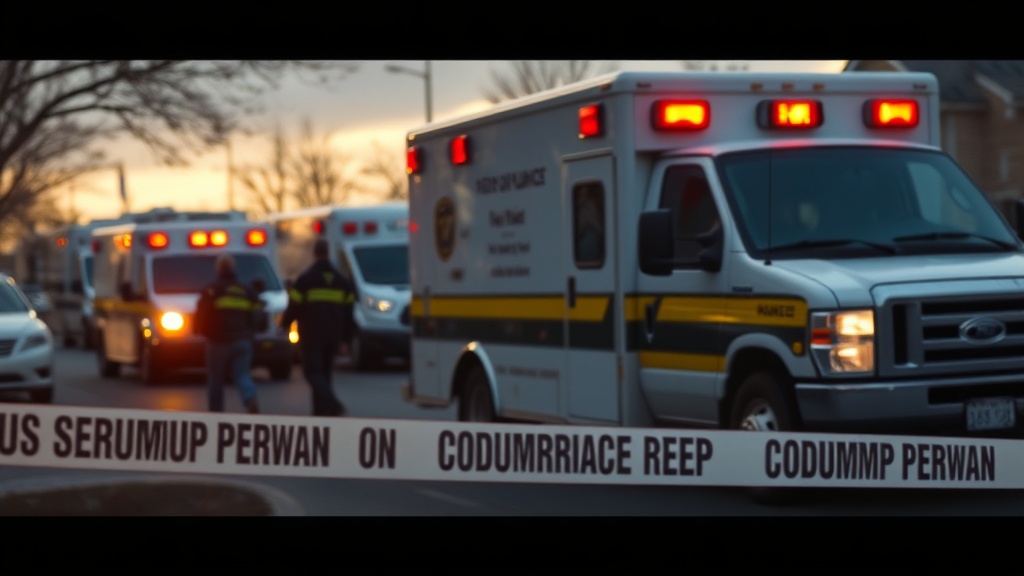
The incident unfolded shortly after noon when gunfire erupted at the church located in the heart of the community. Eyewitnesses described a scene of chaos and confusion as parishioners sought shelter and emergency services were called to the scene. "It was terrifying to hear the shots ring out. People were crying and running in every direction," said one attendee who wished to remain anonymous. First responders arrived within minutes, but the impact of the shooting was immediate and devastating.
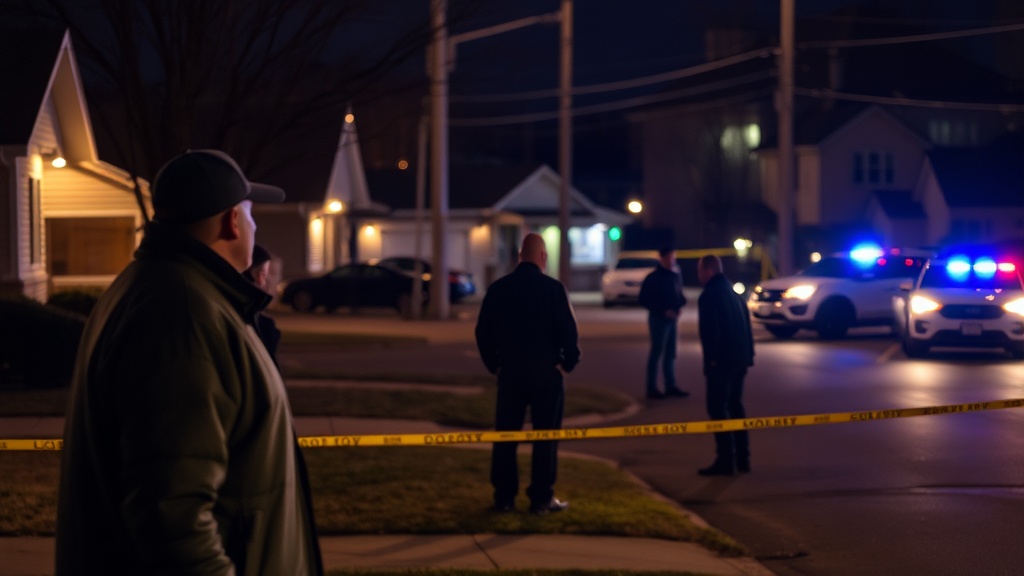
In the days following the incident, Jensen, who previously served in various roles within law enforcement, highlighted the multiple layers involved in investigating such tragedies. "Every mass shooting brings unique challenges, from securing the crime scene to gathering evidence and interviewing witnesses. Each detail is crucial for understanding the motive and ensuring justice for the victims," he explained. Jensen noted that law enforcement agencies typically collaborate with federal authorities, including the FBI, to manage the investigation effectively.
The emotional aftermath of such events often weighs heavily on first responders. Jensen recalled his own experiences dealing with similar situations. "The mental health of those involved cannot be overlooked. First responders often carry the burden of what they witness, and it's essential that they receive adequate support," he stated. Mental health professionals are being called upon to assist not only the victims and their families but also the officers involved in the investigation.
As the investigation unfolds, community leaders and members of the LDS Church have come together to offer support to those affected. Local authorities have organized vigils and counseling sessions to help parishioners cope with the trauma. Church leaders expressed their commitment to fostering a safe environment and have urged the community to come together in solidarity. "We are heartbroken over this senseless act of violence. Our focus now is on healing and supporting those who are grieving," said Bishop Thomas Williams of the local congregation.
Jensen emphasized the importance of transparency in the investigation process, which can often become a contentious issue in the aftermath of mass shootings. "The community deserves to know what happened and why. However, there are legal constraints, especially when it comes to releasing information that could compromise the investigation or the rights of those involved. Finding that balance is key," he said.
In addition to the immediate investigation, Jensen pointed out that mass shootings often lead to broader discussions about gun control and community safety. This tragedy has already sparked conversations among local lawmakers about the need for increased safety measures in public places, including places of worship. "We need to evaluate how we can better protect our communities while respecting individuals' rights," Jensen noted, reflecting a sentiment shared by many in the aftermath of the shooting.
As the days turn into weeks, the community remains on edge, reflecting on the implications of this tragic event. Investigators are working tirelessly to piece together the circumstances surrounding the shooting, while the community grapples with its grief and seeks ways to prevent future tragedies. Jensen’s insights shed light on the complex nature of investigations in such cases, highlighting the need for compassion, transparency, and a united front in the face of violence.
The investigation into the shooting at the LDS church is ongoing, and authorities have urged anyone with information to come forward. As the community continues to heal, the hope is that thorough investigative work will not only bring justice to the victims but also foster a safer environment for all residents. The road ahead is long, but the resilience of the community shines through as they work together to overcome this heart-wrenching event.