Gangs Complicate Investigations in Utah Amid Recent Church Shooting
A recent church shooting in Salt Lake City highlights the challenges of investigating gang-related violence in Utah, revealing deep-rooted issues.
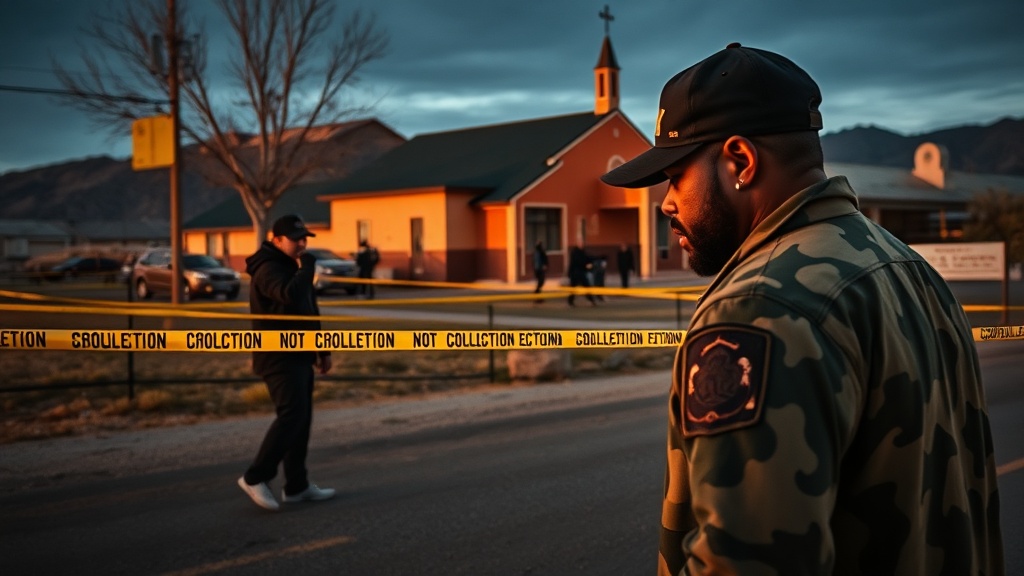
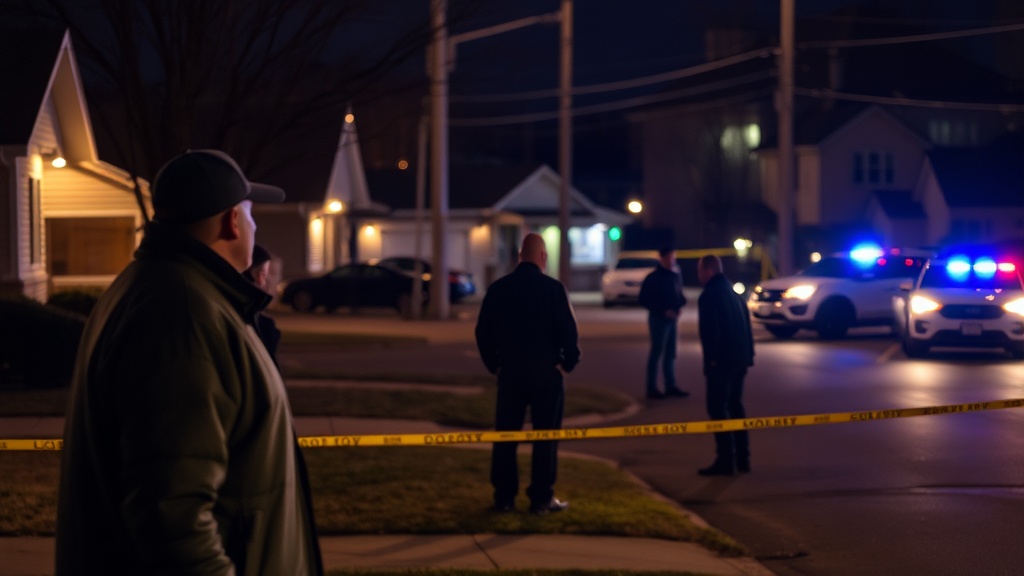
In a troubling reflection of gang activity in Utah, law enforcement agencies are grappling with the complexities of investigating violent incidents linked to gang members. A recent shooting outside a Church of Jesus Christ of Latter-day Saints meeting house in Salt Lake City left two people dead and six others injured, prompting concerns over the challenges gangs pose to public safety and law enforcement efforts. The incident occurred on a Wednesday night at 660 N. Redwood Road, where a crowd had gathered for a memorial service. As Salt Lake City police continue their investigation, they face significant hurdles, including a lack of cooperation from witnesses and the intricate web of gang dynamics that complicates their efforts to ascertain the truth.
According to a 2024 report from the Utah Department of Public Safety, the state is home to approximately 4,500 gang members, a notable figure that translates to about 12 out of every 10,000 residents. Chad Soffee, a retired police officer now working with Panther Security and Investigations, explained that the decentralized structure of gangs makes them difficult to investigate. "They adapt and operate in ways that allow them to evade law enforcement," Soffee said. This adaptability is particularly concerning for police departments that are already stretched thin.
The shooting incident itself has been characterized as chaotic, with Salt Lake City Police Chief Brian Redd confirming that there was an exchange of gunfire. While authorities are still piecing together the events leading to the violence, Chief Redd revealed in a news conference that the gang unit had been deployed to the scene due to indications that some individuals present at the meeting house might be involved in gang activity. However, he emphasized that while the possibility of gang-related violence exists, the investigation is still ongoing, and investigators are cautious about jumping to conclusions.
In the aftermath of the shooting, police have faced an uphill battle in gathering evidence and securing witness cooperation. Chief Redd noted, "We don’t know the cause of the violence. That’s what we’re investigating. Witnesses have not been cooperative." This lack of cooperation is not unusual in gang-related cases; many witnesses fear repercussions from gangs, leading to a culture of silence that hinders investigations.
Among the deceased was Sione Vatuvei, a former member of the Tongan Crips, who had previously been incarcerated for a 2009 robbery. Vatuvei had since turned his life around and become a social media influencer, promoting a message of hope and resilience by encouraging others to avoid gang life and addiction. His tragic death underscores the personal stories often entwined with gang violence, highlighting the human cost of such criminal activities.
The 2024 gang report identified the Crips as one of the four largest gangs in Utah, alongside the Bloods, Sureños, and Norteños. Alarmingly, a quarter of Utah’s prison population comprises gang members, indicating a significant societal challenge. Kent Cravens, a former gang detective for Sandy police, emphasized that gang members and their victims often live in close proximity, raising fears of retribution that can deter witnesses from coming forward. “It's that possibility of retribution that they fear the most,” Cravens stated, reflecting on the pervasive influence of gang culture in local neighborhoods.
Police departments are also cautious about discussing gang activity publicly, as Cravens noted, “When we talked to the news media, we tried to avoid giving unnecessary publicity to those gangs. They like to get their names publicized.” This reluctance further complicates the landscape of gang-related crimes, as it can lead to an information vacuum that hampers public awareness and safety.
Despite these challenges, law enforcement agencies are exploring modern investigative tools to aid their efforts. Salt Lake City police may utilize cell tower data to identify individuals who were in the vicinity of the shooting. Additionally, the city has a system of license plate readers that have proven effective in previous investigations, including helping the FBI identify suspects linked to other serious crimes. These technological advancements offer a glimmer of hope in overcoming the barriers posed by gang involvement and witness intimidation.
As the investigation into the shooting continues, the community is left grappling with the implications of gang violence and the urgent need for effective law enforcement strategies. The Salt Lake City Police Department is working diligently to piece together the circumstances surrounding the tragic event, while community leaders and residents are calling for increased safety measures and support systems to address the root causes of gang activity. The fight against gangs in Utah may be daunting, but through increased awareness, cooperation, and innovative investigative techniques, there is hope for progress in the ongoing battle against gang violence.