Immigration Lawyer’s Frustration Leads to Controversial Court Remarks
A government lawyer was removed from her immigration detail after expressing her exhaustion in court, highlighting systemic challenges faced by attorneys.
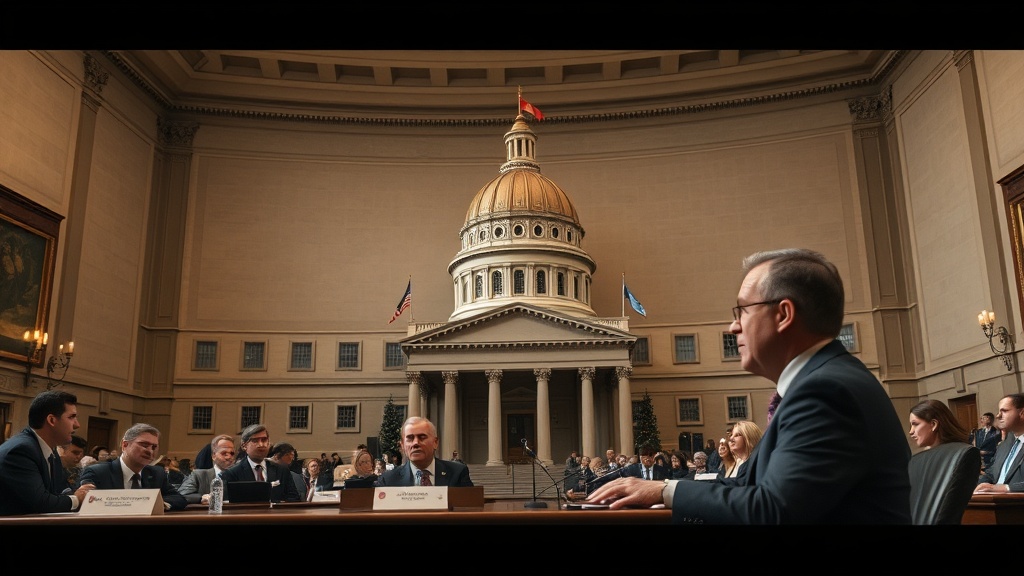
In a striking incident that has captured attention within legal and immigration circles, a government attorney was removed from her immigration detail after making a controversial remark to a federal judge during a recent hearing. The incident unfolded in a courtroom in Salt Lake City, Utah, and has sparked discussions about the challenges faced by public defenders and government lawyers in the immigration system.
The attorney, whose name has not been disclosed due to the sensitivity of the case, reportedly expressed her exhaustion and frustration in a moment of candor. Addressing U.S. District Judge David Nuffer, the lawyer remarked that she wished the judge could hold her in contempt of court, “so that I can have a full 24 hours of sleep.” The comment was made during a hearing that involved a backlog of immigration cases, highlighting the immense pressures that lawyers in this field face daily.
According to sources familiar with the case, the attorney's statement came in the context of a lengthy discussion regarding the challenges of managing a high volume of cases with limited resources. Immigration courts across the nation have been under strain, facing a significant backlog exacerbated by the COVID-19 pandemic. In Utah alone, the immigration court backlog has reached over 3,000 cases, leading to extended wait times for hearings and an increased burden on attorneys.
The remarks drew immediate reactions from both the judge and the courtroom audience. Judge Nuffer, taken aback by the comment, responded with a warning about the seriousness of contempt of court. He emphasized the importance of maintaining decorum in the courtroom, particularly in cases that involve vulnerable populations seeking asylum and other forms of relief. Despite the judge’s stern response, many within the legal community have expressed sympathy for the attorney’s candid expression of fatigue and frustration.
Legal experts have underscored that the attorney's remarks reflect a broader issue within the immigration system. Public defenders and government attorneys often work long hours for modest pay, frequently juggling multiple cases that require extensive preparation and emotional investment. The immigration court system is known for its complexity and the high stakes involved, making the work particularly taxing.
“The immigration system is in crisis,” said Maria Gonzalez, an immigration attorney based in Salt Lake City. “Lawyers are overwhelmed, and many are facing burnout. The comment made by the attorney is a stark reminder of the toll this work takes on those who are trying to help individuals navigate the system.” Gonzalez added that the rigorous demands of these roles often lead to mental health challenges among practitioners, something that is seldom discussed in public forums.
Following the incident, the attorney was reassigned to a different role, as is standard procedure in such cases. The decision to remove her from the immigration detail has raised questions about the repercussions of expressing frustration in a high-pressure environment. Colleagues have voiced concerns that such punitive measures may discourage open dialogue about the challenges faced by legal professionals in the immigration system.
This incident comes at a time when immigration policies and court proceedings are under intense scrutiny from various advocacy groups and lawmakers. Critics argue that the current system is not only inefficient but also inhumane, given the prolonged detention of individuals seeking asylum. The emotional and psychological burden on lawyers, who are often the first line of support for these individuals, must also be addressed in ongoing discussions about reform.
Furthermore, the U.S. immigration system has been a contentious issue in recent years, with fluctuating policies and enforcement actions that have left many families in limbo. The Biden administration has made efforts to address some of these challenges, but advocates argue that more needs to be done to ensure that legal representation is accessible and that the courtroom experience is less adversarial.
As the dust settles on this particular incident, it serves as a poignant reminder of the human element in the legal profession, particularly in immigration law. The pressures faced by those in the system are immense and multifaceted, impacting not only the lawyers but also the individuals and families they represent.
In conclusion, the attorney’s remarks, while perhaps inappropriate in the courtroom setting, reflect a deeper issue within the immigration legal framework. As discussions about reform and support for legal practitioners continue, it is crucial to acknowledge the emotional toll on those dedicated to advocating for vulnerable populations. The incident may ultimately lead to a broader conversation about the need for systemic changes and improved support for legal professionals navigating the complexities of immigration law.