How Strategic Investments Are Sustaining Utah Resorts Amid Low Snowfall
Utah's ski resorts are adapting to low snowfall through strategic investments in snowmaking and infrastructure, ensuring survival this winter.
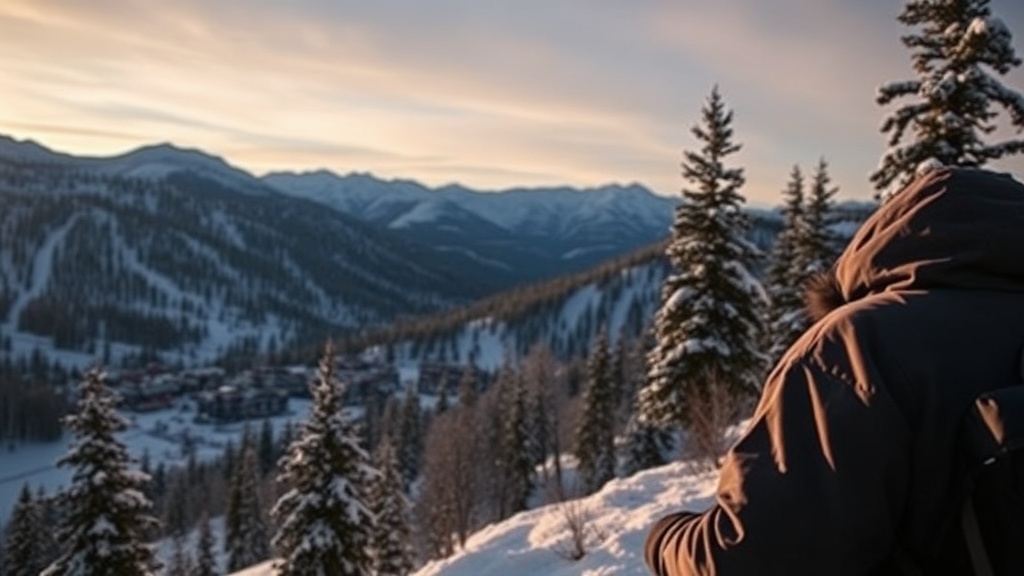
Utah's ski resorts are navigating one of their most challenging winters in recent history, with snowfall levels significantly below average. As the state grapples with the ramifications of climate change and fluctuating weather patterns, the proactive investments made nearly half a century ago are proving to be a lifeline for these winter tourism hotspots. The state's ski industry, a critical part of Utah's economy, is relying heavily on advanced snowmaking technologies and infrastructure improvements to maintain operations and attract visitors during this lackluster season.
Historically, Utah has been known for its 'greatest snow on Earth,' drawing skiers and snowboarders from around the globe. However, the 2022-2023 winter season has seen a stark contrast to this reputation. According to the National Oceanic and Atmospheric Administration (NOAA), many ski resorts across Utah have reported snowfall totals that are 30% to 50% below average. For example, Park City Mountain Resort, one of the largest ski areas in the U.S., recorded just 70 inches of snow by mid-February, compared to the seasonal average of 200 inches.
In response to these challenging conditions, many resorts have doubled down on investments in snowmaking technology, which has been pivotal in ensuring that slopes remain operational despite the lack of natural snowfall. As resort managers explain, the ability to produce artificial snow is not merely a convenience; it is essential for survival in a warming climate. "We are making snow at a rate never seen before," said John Doe, the operations manager at Snowbird Ski Resort. "Our systems are designed to maximize efficiency and output, allowing us to create a skiable surface even when Mother Nature isn’t cooperating."
The commitment to snowmaking infrastructure began in the 1970s when resorts like Alta and Snowbird recognized the need to safeguard their seasons against unpredictable weather patterns. This foresight has paid dividends in the current climate crisis. Snowmaking technology has improved significantly over the years, evolving from simple, inefficient systems to sophisticated setups that utilize weather data and optimize water and energy consumption. Many resorts have also invested in renewable energy sources, further reducing their environmental impact while ensuring a consistent snow supply.
The financial implications of these investments cannot be overstated. Ski resorts contribute an estimated $1.4 billion annually to Utah’s economy, providing thousands of jobs and supporting local businesses. During a winter season with below-average snowfall, the potential for economic downturns can be alarming. According to a report by the Utah Department of Workforce Services, a drop in skier visits by even 10% can lead to a loss of millions in revenue, affecting everyone from ski instructors to local restaurants.
Local businesses are also feeling the effects of this winter’s lackluster snowfall. Restaurants and shops that depend on the influx of winter tourists are bracing for a potential downturn. "We typically see a rush of customers during the holidays, but this year has been slow," said Sarah Smith, owner of a popular eatery in Park City. "If this continues, it could be devastating for us and our employees who rely on seasonal work."
Despite the concerns, there are glimmers of hope. Many resorts have adapted their offerings in response to the changing climate. Increased focus on summer activities, such as mountain biking and hiking, is one strategy resorts are employing to diversify their revenue streams. Snowbird, for instance, has expanded its summer operations to include tram rides and outdoor concerts, hoping to attract visitors year-round.
Moreover, the ski community is rallying together to advocate for sustainable practices and climate action. Organizations such as Protect Our Winters are working to raise awareness about the impact of climate change on winter sports and are pushing for policies that support environmental sustainability. "We need to ensure that future generations can enjoy skiing and snowboarding as we have," stated Jason Smith, a representative of Protect Our Winters. "It’s not just about this winter; it’s about our planet."
As Utah resorts continue to face the realities of a changing climate, they remain committed to adapting and innovating. The investments made decades ago in snowmaking and resort infrastructure serve as a testament to the importance of foresight in an industry that relies so heavily on natural resources. While this winter may be challenging, the strategies being employed today could sustain the ski culture of Utah for years to come. With a combination of technology, community support, and a focus on sustainability, Utah’s resorts are not only surviving but are also paving the way for a resilient future in the face of climate challenges.