Heber City’s Transformation: Key Events Shape Community in 2025
Heber City experienced transformative growth in 2025 marked by protests, new schools, and a contentious mayoral election.
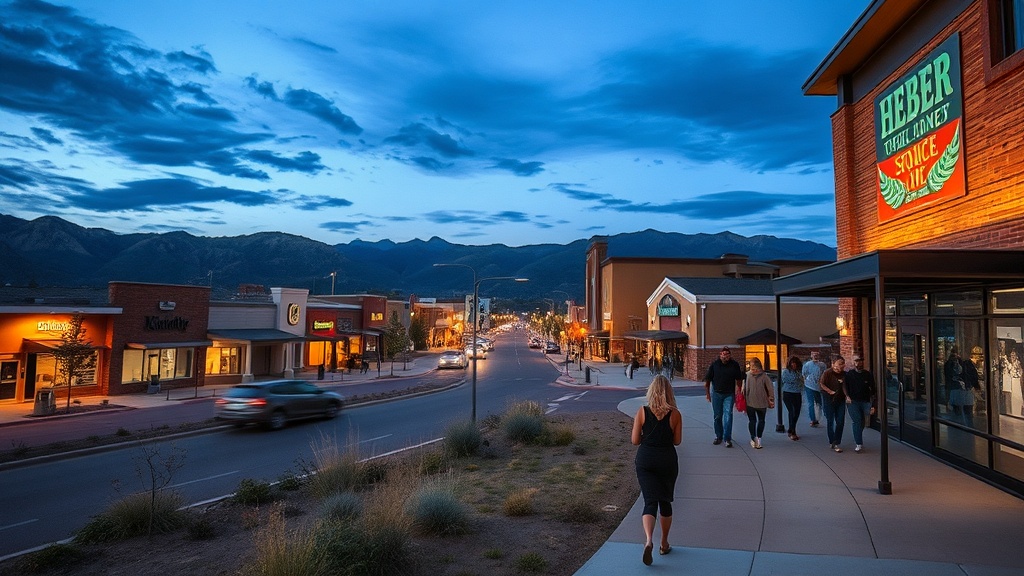
In 2025, Heber City, once a quaint pioneer town, has evolved into a focal point of growth and civic engagement, capturing headlines with significant developments that reflect the community's changing dynamics. From robust protests challenging local governance to the construction of a second high school, the year was marked by a blend of activism, infrastructure projects, and pivotal elections, each shaping Heber City’s future.
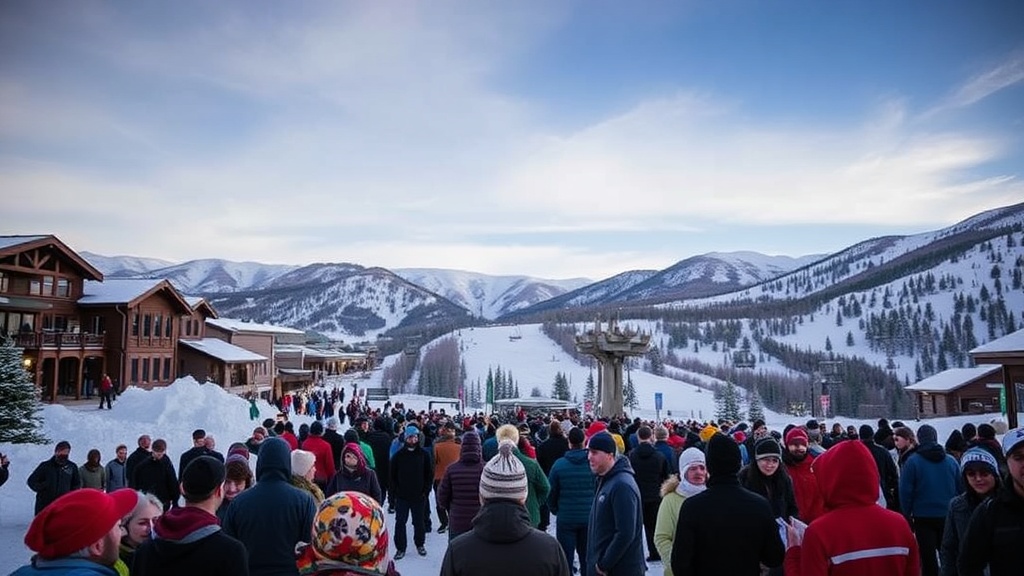
One of the most notable events was the "No Kings" protests, which gained momentum throughout the year. The demonstrations, held in June and October, attracted over 1,000 participants during the latter event, showcasing the community's engagement with national political issues. Protesters, including residents from nearby Park City, expressed their dissatisfaction with the administration's policies. Leslie Orillo, a Midway resident, articulated her sentiments during the October rally, stating, "There are a million things starting in 2016, I’m not into corruption." The protests featured creative expressions such as attendees dressed as unicorns and bald eagles, emphasizing a peaceful yet impactful form of dissent.
The protests also highlighted a growing political consciousness in Wasatch County, where 62% of residents voted for Donald Trump in the 2024 presidential election, yet many felt disillusioned with current policies. These demonstrations reflect a broader national trend where communities, even in traditionally conservative areas, are finding their voices and rallying for change.
In addition to civic activism, Heber City is undergoing a significant transformation in its educational landscape. The construction of Deer Creek High School has commenced, aiming to alleviate the overcrowding at Wasatch High School, which has seen its student population double from 1,350 in 2006 to nearly 2,700 by 2025. The new school, set to open in August 2026, represents a critical step toward accommodating the valley's growing population. In January, the school board selected the name and mascot, the Riverhawks, and finalized boundary decisions in November, ensuring equitable distribution of students across schools. This expansion signifies Heber City’s commitment to enhancing educational facilities amid its rapid growth.
The Heber City Council also made headlines with its decision to abandon ranked-choice voting for the upcoming elections. Despite using this voting method in the last two municipal elections, the council voted unanimously in April to revert to traditional voting methods. Mayor Heidi Franco argued that ranked-choice voting could confuse residents and potentially reduce voter turnout. This decision came after a community survey revealed nearly 80% of residents opposed ranked-choice voting. The debate surrounding voting methods underscores the council's responsiveness to community sentiments and the importance of clear electoral processes.
Another polarizing issue has been the proposed Heber Valley bypass, a project aimed at alleviating traffic congestion in the bustling downtown area. Discussions about the bypass have persisted since UDOT began studying potential routes in 2019, eventually narrowing down to two alternatives: Alternative A, which maintains traffic on Highway 40, and Alternative B, which proposes a route through the North Fields. Proponents of each alternative have voiced strong opinions, with supporters of Alternative B arguing for its cost-effectiveness, while advocates for Alternative A highlight environmental concerns. As the Utah Department of Transportation prepares to announce its preferred route in January 2026, community members remain divided, demonstrating the high stakes involved in infrastructure decisions that could impact Heber City’s character and growth trajectory.
The year also saw a contested mayoral election, resulting in the re-election of incumbent Heidi Franco. Franco, who has served in public office for over a decade, faced challenges from City Councilor Scott Phillips and health insurance salesman Mike Hewlett. The election was marked by high voter engagement, with a turnout of 48%, significantly higher than the typical figures of around 30%. Franco’s campaign focused on protecting open spaces and addressing downtown revitalization, while Phillips criticized her leadership and advocated for improved city communications. Franco ultimately won with 53% of the vote, while Phillips garnered about 43%. The dynamics of the election highlighted the community’s desire for effective leadership amid rapid changes.
Heber City’s transformation in 2025 illustrates a community at the crossroads of growth and civic engagement. With significant developments in education, protests reflecting political activism, and critical municipal decisions, residents are actively shaping the city’s future. As Heber City continues to evolve, the implications of these events will undoubtedly resonate within the community for years to come, emphasizing the importance of public participation and informed decision-making in local governance.