Wasatch County's Major Headlines of 2025: Growth, Legal Battles, and Community Concerns
Wasatch County's 2025 highlights include a sheriff's investigation, temple lawsuit, and road rage case, reflecting community concerns and growth.
In Wasatch County, 2025 has been marked by significant developments that have stirred both excitement and concern among residents. From the ongoing investigation into local law enforcement practices to a high-profile temple lawsuit, the community has been engaged in various pressing matters. This comprehensive report highlights the top stories that have shaped the narrative of Wasatch County this year, providing insights into local governance, growth, and public safety.
One of the most notable stories of 2025 has been the third-party investigation into the Wasatch County Sheriff’s Office, led by retired Third District Judge Richard D. McKelvie. The inquiry stemmed from public safety concerns raised early in the year, notably by former Sheriff’s Lt. Shane Fredrickson, who formally requested the County Council to review the office. Released in September, McKelvie's findings painted a troubling picture of the Sheriff’s Office, alleging instances of favoritism, absenteeism, and misuse of property. The report also highlighted accusations of retaliatory actions against employees by Sheriff Jared Rigby, alongside claims of interference in ongoing investigations, including the tragic road rage incident that led to the death of local resident Patrick Hayes.
Sheriff Rigby has vehemently denied any wrongdoing, and the County Council indicated that while there were issues to address, no “gross mismanagement” or illegal activities were found. This situation has raised significant concerns within the community about the transparency and accountability of local law enforcement, with residents calling for reforms to ensure public safety is prioritized.
In another significant legal battle, the controversy surrounding the construction of a new temple by the Church of Jesus Christ of Latter-day Saints has reached the Utah Supreme Court. The lawsuit, initiated by residents from the Red Ledges community, challenges the County Council’s approval of the temple’s plans, which include a towering 210-foot structure. Residents argue that the temple's height exceeds the 35-foot limit set for structures in residential zones. Their attorney, Robert Mansfield, emphasized that the opposition is not against the temple itself, but rather the scale of the construction.
As the Supreme Court heard oral arguments in December, the community's anxieties over the temple's impact on local aesthetics and property values remain palpable. The outcome of this case could set a precedent for future developments in residential areas, further complicating the relationship between growth and community standards in Wasatch County.
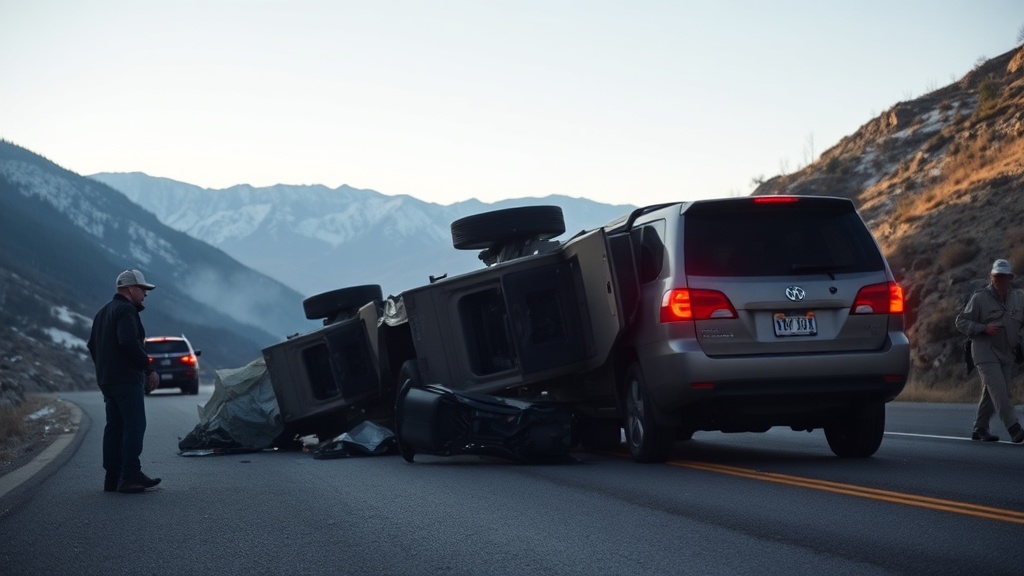
The ongoing road rage case involving the shooting death of Patrick Hayes has also captivated public attention. On September 25, 2024, Hayes was fatally shot by Greg Kyle DeBoer, who claims he acted in self-defense. As of now, DeBoer has not been charged with homicide, but he faces an obstruction of justice charge for burying the weapon used in the shooting. Video footage from Jordanelle State Park captured the moments leading up to the incident, showing Hayes engaging in a verbal altercation with DeBoer before the gunshot rang out.
DeBoer has pleaded not guilty to the obstruction charge and is set for a pretrial conference on January 21. This case has prompted discussions about road rage incidents becoming increasingly dangerous, raising broader concerns about public safety on local roads.
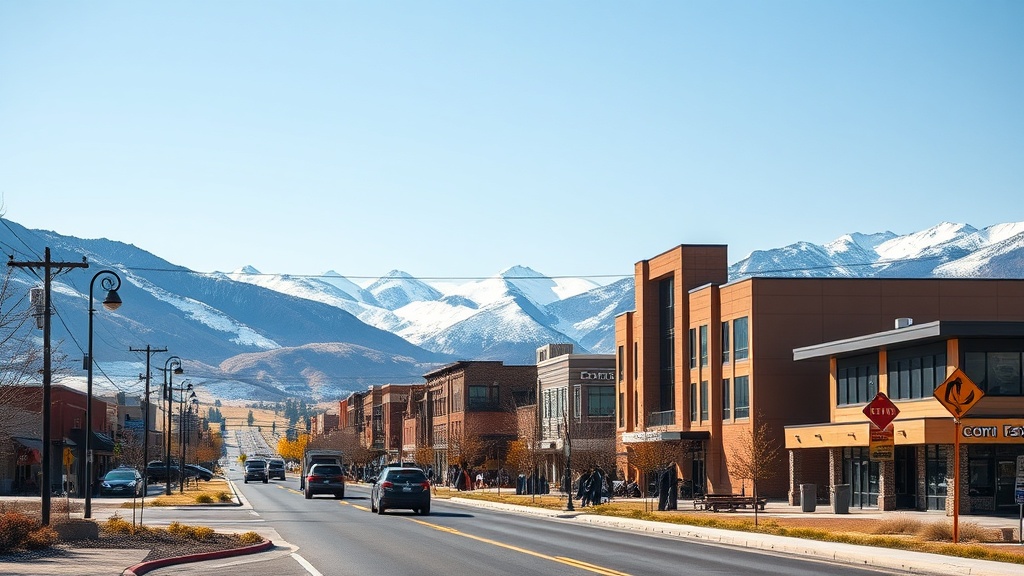
As Wasatch County continues to grow, the Kem C. Gardner Policy Institute has predicted that the region’s population will surge by over 110%, a trend that local leaders are both preparing for and monitoring closely. Heber City Mayor Heidi Franco has emphasized the necessity of “responsible growth,” indicating that the community must protect commercial interests and manage traffic effectively. This sentiment is echoed by other local leaders who stress the importance of planning and infrastructure to accommodate the influx of new residents.
In line with this growth, the Military Installation Development Authority (MIDA) is set to develop nearly 6,200 new residential units in the area, with 22% of that development already completed as of May. Wasatch County Manager Dustin Grabau noted that the county has played a significant role in initiating these projects, which will significantly alter the landscape and demographics of the area.
Adding to the local media landscape, The Park Record has expanded its coverage, launching a biweekly publication titled The Wasatch Record. This new outlet aims to provide in-depth reporting on issues pertinent to Wasatch County, responding to the community's need for reliable news sources following the cessation of The Wasatch Wave.
As 2025 unfolds, Wasatch County finds itself at a crossroads, navigating the complexities of growth, legal challenges, and public safety concerns. The decisions made in the coming months will undoubtedly shape the future of this vibrant community, as residents continue to engage with the pressing issues that affect their lives and livelihoods.